Biophilia: Interior Design Trend 2025

Credit: Jane Hallworth
Biophilia: Interior Design Trend 2025 is a Dayhouse Studio blog on biophilic design as a lasting interior trend—natural materials, greenery, light, and restorative rooms that reconnect people with nature. Complementary to medical care, not a substitute. Based in Salt Lake City, we share science-backed ideas for healthier homes.
Biophilia is emerging as a vibrant trend in interior design. Biophilic design celebrates the connection between occupants and the natural world. This goes beyond mere aesthetics and functionality, but aimes to create environments that are healing and restorative.
Some biophilic design elements include lush greenery, natural materials, living walls, and water features to bring the outdoors inside. These features help create a calming atmosphere. For instance, incorporating natural textures such as wood grains, stone surfaces, and woven fibers not only add visual interest but also engage our sense of touch, creating a richer and more immersive experience.
The benefits of biophilia are extensive. Research indicates that biophilic design can significantly improve our quality of life. Exposure to natural elements has been shown to reduce stress, boost cognitive function, and enhance productivity. Additionally, it promotes overall happiness by creating environments that support our innate need for connection with nature. By incorporating this trend into your space, we not only enhance the beauty of our interiors but can create spaces that nurture our physical, mental, and emotional health.
What biophilia looks like in a 2025 home
Biophilia in 2025 is less about a single plant wall and more about designing rooms people can recover in. Dayhouse Studio treats daylight, views to living things, natural materials, and quieter acoustics as everyday tools—not décor slogans. Greenery, living walls, and water features still matter when they fit the room; so do wood grain, stone, and woven textures that invite touch. The goal is a Therapeutic Home Environment that supports calm and focus while remaining complementary to medical care, never a substitute for it.
Why research keeps pointing to restorative interiors
Research on nature contact and indoor environments continues to link greenery, daylight, and natural materials with lower stress and better day-to-day wellbeing (see Healthy Dwelling (MDPI 19/4/2248) and Therapeutic Home Environment (MDPI 14/9/1123)). That evidence informs how we plan Salt Lake City and Park City homes: prioritize morning light where people wake, choose materials that age honestly, and keep outdoor connection visible from the rooms people use most. For a wider 2025 trends read, see our Interior Design Trends 2025 blog.
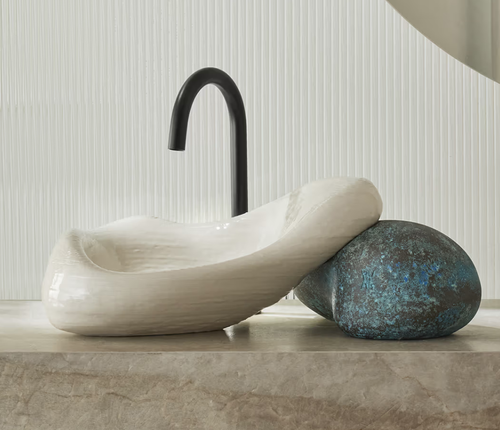


If you want to read more about emerging design trends, check out our blog “Interior Design Trends 2025”!
Healthy Dwelling (MDPI 19/4/2248)
Therapeutic Home Environment (MDPI 14/9/1123)
Dayhouse Studio · Salt Lake City, UT