The Basics of Biophilic Design
Design and Photo by Dayhouse Studio
The Basics of Biophilic Design is a Dayhouse Studio blog on nature-inspired interiors—plants, light, materials, and patterns that support wellbeing at home. Complementary to medical care, not a substitute. Based in Salt Lake City, we share practical biophilic design ideas for healthier living.
The Essentials of Biophilic Design
Over the past few years, the buzz around Biophilic Design has been brewing. Once only the conversation of architects or city planners, the discussion surrounding how we design spaces that support the well-being of inhabitants has really begun to broaden. As an example of the growing interest, in 2022 biophilic design was at the top of interior design trends on the Pinterest Predicts List.
Over the coming weeks and months, we will be delving deeper into exactly what biophilic design is and why it’s becoming an important component to supporting our health and well-being. We will also be showing how Dayhouse Studio takes these principles and strategically combines them to create health-focused spaces for specific health conditions.
So, what exactly is biophilia?
Bio-philia:
From the Greek, bio means life or living things, philia means “love of.”
Biophilia means a love of life, living systems and nature. Essentially, biophilia is an instinctive bond between humans and other living systems that inhabit the earth. And biophilic design is an evidence-based approach to designing human centric spaces that nurture well-being.
Historical Context
The terms “biophilia” was first coined by Enrich Fromm in 1973, a psychologist who believed humans have a connection to the natural world through a, sort of, genetic inheritance. Fromm defined biophilia as being “a passionate love of life and all that is alive”, and it was this connection to nature which made humans overcome feelings of isolation.

But the concept of connecting our built environments to nature goes back much further. Architects of Ancient Greek and Roman eras knew the importance of the nature-connection in living spaces. A roman home or domus was built around a central courtyard to create a naturally calming retreat, designed with all the senses in mind. They were filled with plants, scented herbs and flowers. They decorated the walls with mosaics of nature scenes, installed water features where the soft babbling sounds of water could be heard and porticos to provide shade for relaxation.
It was biologist Edward Wilson, however, who really popularised the theory in the 1980s. Wilson’s book “Biophilia. – The Human Bond With Other Species” went on to win two Pulitzer Prizes. Wilson studied a variety of species in South America, primarily ants. His work recognized the connection between stress-related issues that come with humans’ rapid urbanization and the resulting lack of connections to nature.
What has followed since, thanks to the work of Wilson and his contemporaries including Professor Stephen Kellert and Psychologist Judith Heerwagen, is the conversation around our built environment and the impact on our physical and mental well-being.
The Modern Life Disconnect
Modern urban living means we now spend 90% of our lives indoors – homes, cars, public transport, workplaces, cafes, restaurants, gyms. A recent systematic review study on indoor air quality illustrates how our home environments contain such pollutants as particulate matter (e.g. PM2.5), volatile organic compounds (VOC) such as benzene or formaldehyde, and polycyclic aromatic hydrocarbons, known as PAHs (1). These pollutants come from furniture, household products, and other sources.
For most of us living in the western world, our lives now revolve around modern technology. According to a 2017 study published in Preventive Medicine Reports (2), more than half of US adults spent more than 4 hours of screen time per day (watching TV and using a computer). The same study reported associations between depression and higher screen time.
With almost 7 billion people using smartphones worldwide, our minds are more and more preoccupied with information.
Our constant state of distraction, disruption to our natural circadian rhythms, exposure to indoor pollutants and artificial light is having a significant effect on our physical health and mental well-being. It’s no wonder that the World Health Organization considers stress-related illnesses and mental health issues as global health epidemics of the 21st century.
What is Biophilic Design?
Biophilic Design is an evidence-based approach to designing human centric spaces that supports and nurtures its inhabitants. The patterns of Biophilic Design are guidelines underpinned by environmental and evolutionary science, ecology, and physiological and neurological research.
Using the design principles of Biophilic Design, we now have a practical strategy for harnessing the benefits of biophilia by reintroducing nature into the spaces in which we now spend 90% of our time.
Stephen Kellert proposes there are 73 attributes to implement, which look at how nature helps us form stronger connections between people, spaces and places. Sustainability consultants Terrapin Bright Green distilled these attributes into 14 main patterns across 3 categories (3):
Recommended Colors and Textures for Biophilic Design
Biophilic design emphasizes creating a connection with nature through interior decor. To achieve this, focus on the following elements:
Colors
Muted Tones: Opt for soft, subdued colors that mimic natural surroundings. Think earthy greens, soft browns, and gentle blues.
Organic Shades: Select color palettes inspired by nature. Shades like sandy beige, slate gray, and forest green work beautifully.
Textures
Wood: Incorporate wooden elements to bring warmth and authenticity. Use materials like oak, walnut, or bamboo for flooring, furniture, or accents.
Leather: Introduce leather in furniture or decorative pieces for a luxurious yet natural touch.
Stone: Utilize stone surfaces or accents. Granite countertops, marble tiles, or stone feature walls add a raw, grounding element.
By integrating these colors and textures, you can effortlessly evoke the serene, calming atmosphere characteristic of biophilic design.
The 14 Patterns of Biophilic Design
The 14 patterns of design are split into three main categories:
Nature in the space: Direct connections to nature through fresh air, light, plants water, animals and natural systems like weather
Natural analogues: References to or representations of nature, patterns, colours, textures, natural materials
Nature of the space: Mimicking spatial qualities of natural environments to evolve or enhance human responses. Creating spaces which stimulate, excite, calm, relax and restore.
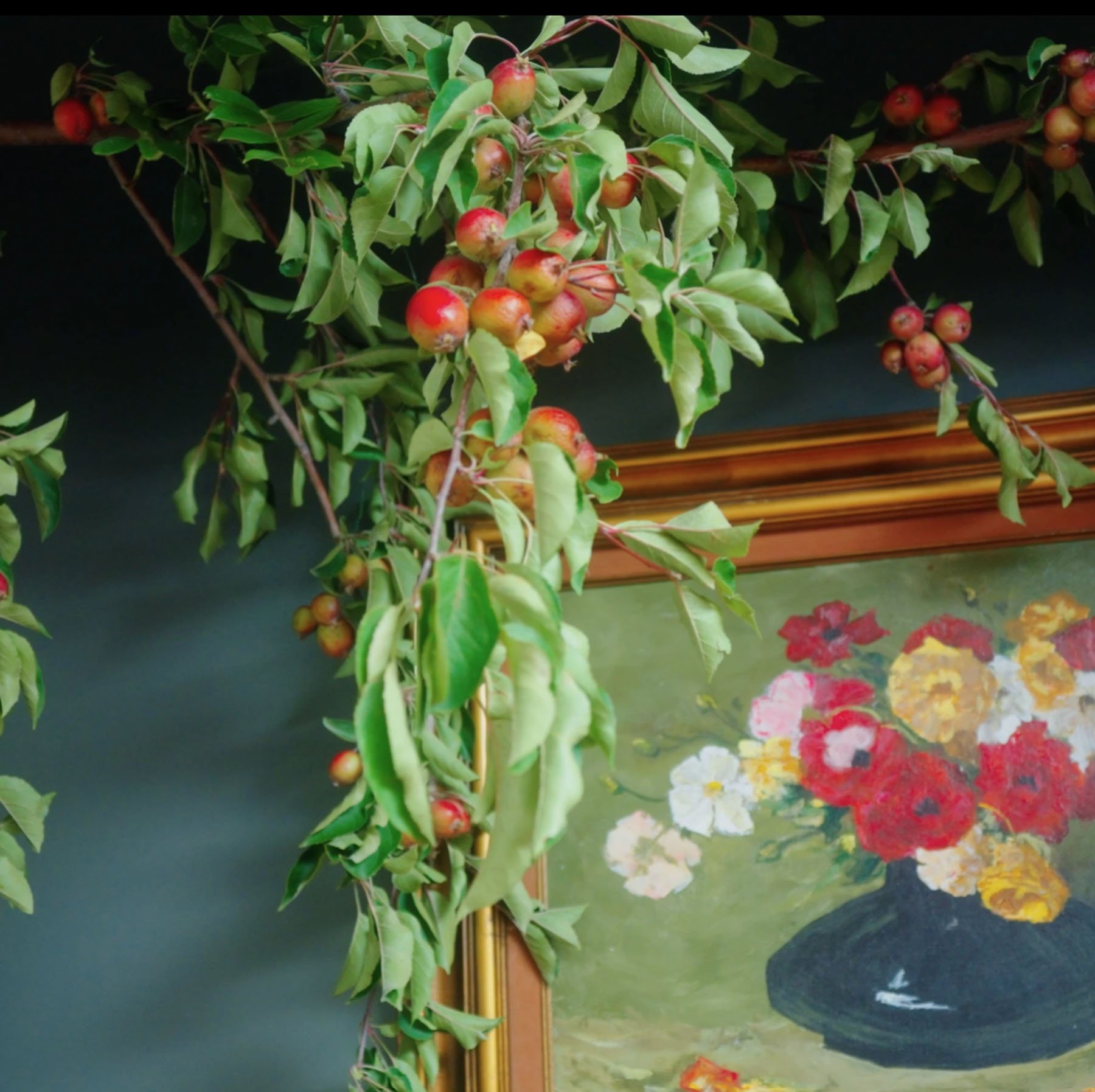
Design and Photo by Dayhouse Studio
Nature in the Space
Nature in the Space is defined as elements in a space that we consider to have a direct connection with nature or natural systems. This category contains the first seven patterns of Biophilic Design:
Visual connection to nature: a view to real elements of nature, either directly or through a window.
Non-visual connection to nature: Using a sense other than sight to connect with nature, auditory (sound), olfactory (smell), gustatory (taste) and haptic (touch).
Non-Rhythmic Sensory Stimuli: Gentle natural movements and sounds with a repetitive quality yet not entirely predictable e.g., ripples across water, wind blowing leaves.
Thermal & air flow variability: Subtle changes in the air, like surface temperature fluctuations or varied air movement throughout a space.
Presence of Water: Being able to see, hear or touch water leads to an improved experience of a space.
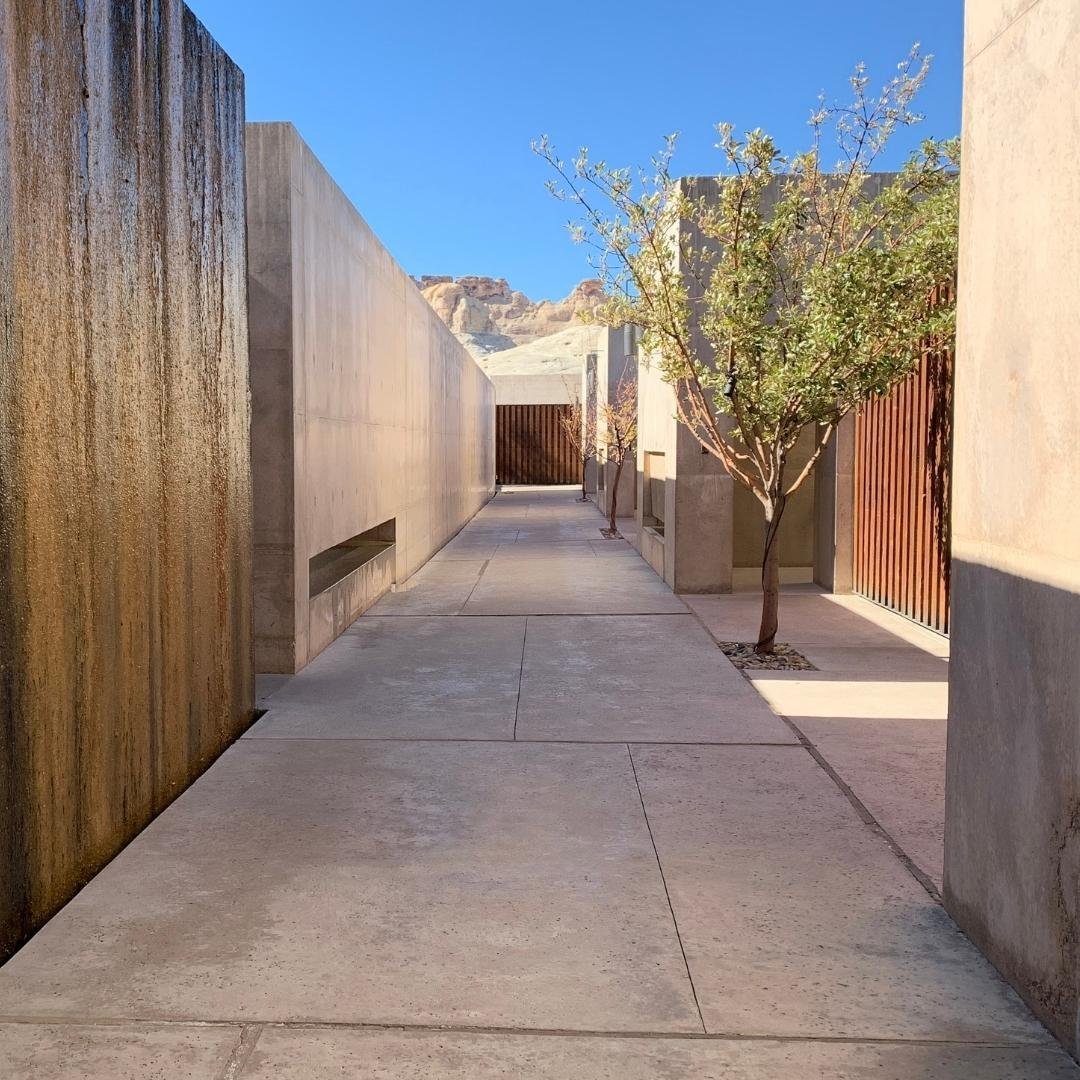
Photo taken by Dayhouse at The Amangiri Resort
Dynamic & diffuse light: Bringing to the occupant varying densities of changing light and shadows. For example, light which changes or moves throughout the day or time of year.
Connection with natural systems: experiencing a connection to the natural cycles and process of the environment, such as the growing of plants, experiencing weather systems and changes in materials as exposed to and affected by these conditions (metal that rusts, wood that ages).

Design and Photo by Dayhouse Studio
How to Create Living Walls and Plant-Filled Spaces in Your Home
Bringing nature indoors is more than a trend—it's a way to infuse tranquility and fresh air into your living space. Here's how you can create stunning living walls and plant-filled environments in your home.
Start Small
Desktop Greenery: Begin with a low-maintenance plant on your desk. Varieties like snake plants or succulents are perfect for beginners.
Kitchen Herbs: Place potted herbs on your kitchen windowsill. Basil, mint, and thyme not only look good but are also handy for cooking.
Upgrade Your Plant Game
If you're ready to expand, consider more creative integrations:
Vertical Gardens: Frame a wall with vertical planters or a dedicated grid system. Brands like Woolly Pocket and LiveWall offer excellent solutions.
Shelving Units: Use tiered shelves to display a variety of plants at different heights, creating a lush, layered look.
Fully Immersive Environments
For the plant enthusiast looking to go all out:
Green Walls: Dedicate an entire wall to a green installation. Consider professional systems like those from Urban Planters or GSky if you're unsure how to DIY.
Staircase Gardens: Line your staircase with potted plants or hanging vines. Monstera or Philodendron varieties can create an enchanting effect as they grow.
Corner Nooks: Fill room corners with larger plants like fiddle leaf figs or rubber plants to make the most of unused space.
With these ideas, you can transform any room into a lush, vibrant sanctuary. Whether you're starting small or going big, integrating plants into your home will create a calming and visually pleasing environment.
How to Connect Indoor and Outdoor Living Areas
Creating seamless transitions between your indoor and outdoor spaces can revolutionize the way you experience your home. Here are some effective strategies to blend your indoor and outdoor living areas:
Install Sliding or Folding Doors
Large sliding or folding glass doors can be a game-changer. They allow you to completely open up your living room to an outdoor patio or garden, creating an expansive, integrated space.Utilize Balconies and Decks
Consider adding a balcony off your bedroom or a deck adjacent to your kitchen. These additions can provide a luxurious extension to your indoor spaces, making nature an intentional part of your home decor.Expand Windows and Utilize Natural Light
If structural changes aren’t an option, opening windows on pleasant days can have a significant impact. You’ll bring in fresh air and natural sounds, such as rain, wind, or birds, enhancing your connection to the outdoors. Even on less ideal days, pulling up the blinds or drawing the curtains lets in natural light and improves your mood by providing a glimpse of the outside world.Outdoor Furniture and Indoor Plants
Equip your outdoor areas with comfortable, weather-resistant furniture to encourage frequent use. Inside, incorporate a variety of plants to create a cohesive flow with your outdoor greenery.Create a Unified Flooring Design
Using similar or complementary flooring materials indoors and outdoors can make the transition feel seamless. For example, continue your living room flooring onto your deck or patio, or choose stone tiles that flow naturally from indoor spaces to outdoor areas.Add Outdoor Kitchens and Dining Areas
An outdoor kitchen or a dedicated dining area can make alfresco dining an easily accessible and enjoyable experience. Install a barbecue, an outdoor sink, or even a small fridge to make meal preparations outside as convenient as those inside.
By thoughtfully integrating these elements, you can forge a strong connection between your indoor and outdoor living areas, making your home more inviting and harmonious with nature.
Natural Analogues
Natural Analogues are elements that are representations of the natural world. Through natural analogues we consider shape, materiality, texture, pattern, and ornamentation and how they benefit the inhabitants of a space.
Biomorphic forms & patterns: Reference to nature defined by our choices in colour, pattern, form, shape. Using shape and forms reminiscent of those we find in nature.
Material connection to nature: materials, surfaces, textural experiences found in nature and how these can be repurposed for us in our built environment. With minimal processing they are still very much recognizable as organic elements.
Complexity & order: The balance in design of making use of rich sensory information but ensuring our environments don’t overwhelm us. By adhering to natural hierarchy of texture, proportional use of stimuli in our spaces just as we would experience them in nature.
How Skylights Enhance Biophilic Design
Skylights provide a unique opportunity to integrate natural elements into your interior spaces. They allow ample sunlight to flood your rooms, which not only brightens up the environment but also brings a slice of the outdoors inside. Here’s how skylights can be used to enhance biophilic design:
Natural Light: Skylights introduce abundant natural light into your home, which is essential for a healthier living space. Unlike artificial lighting, natural light helps regulate your body's circadian rhythms, improving sleep and overall well-being.
Connection to Nature: A skylight opens up views of the sky, clouds, and even treetops if strategically placed. This visual connection to the natural world can reduce stress and enhance your mood.
Ventilation: Modern skylights often come with ventilation options. This fresh air flow ensures your home feels airy and less confined, contributing to a more natural and pleasant living environment.
Energy Efficiency: Utilizing natural light reduces the need for artificial lighting during the day, which can lower your energy consumption and minimize your carbon footprint.
Ideal Locations
Bathrooms: Installing a skylight in the bathroom allows for privacy while still inviting natural light, creating a spa-like atmosphere.
Hallways: These often-overlooked spaces can be transformed with a skylight, making them feel more open and less like a mere passageway.
Kitchens: Natural light in the kitchen not only makes tasks easier but also enhances the overall ambiance, making the space feel warmer and more inviting.
By incorporating skylights into your design, you create a harmonious blend of indoor comfort and outdoor tranquility, central to the principles of biophilic design.
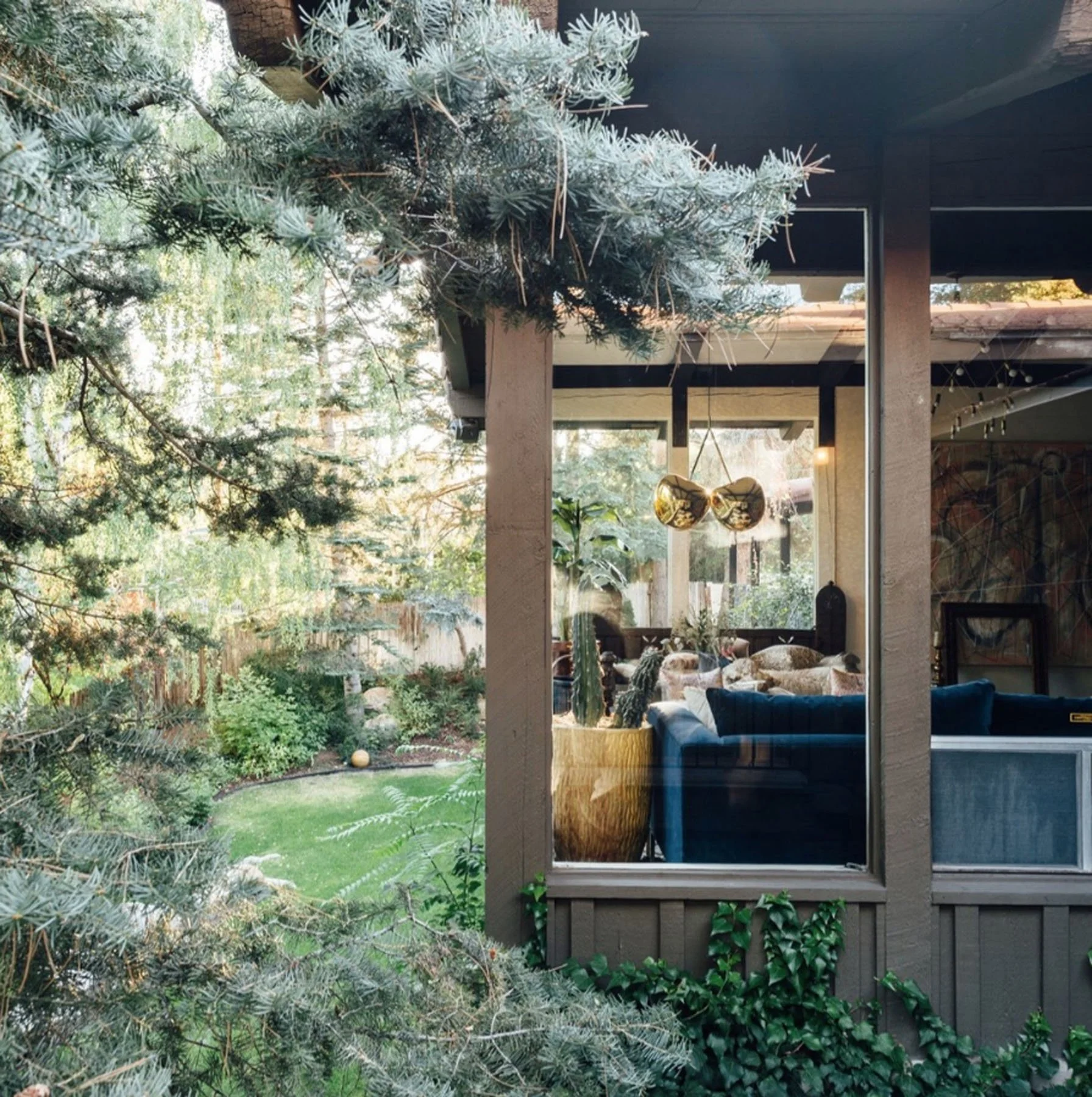
Design and Photo by Dayhouse Studio
Nature of The Space
Nature of the space helps us consider how we can mimic the spatial qualities of our natural environments in order to evoke or enhance human emotional responses to the space we inhabit.
Prospect: Enabling occupants to experience either a distant view through an interior space or an expanse across an exterior space. A position of prospect helps us understand the layout of the space whilst being able to spot any threats or opportunities, thereby generating a sense of safety and calm within.
Refuge: Creating areas with spaces that allow the occupants to retreat from crowded or busy areas for moments of recuperation. For the maximum benefit of the occupant, design a refuge from a place of prospect combining two patterns of design.
Mystery: Creating a sense of mystery within design fosters a curiosity to explore. The promise of more information, implied by partially obscured views or winding pathways intrigues inhabitants leading to an enhanced experience of the space.
Risk/Peril: Incorporate a pleasing thrill into a built environment by positioning a perceived danger alongside a safeguard serves to raise adrenaline to create exciting and stimulating spaces, increasing cognitive awareness and interest.
Practical Applications and Future Content
We don’t suggest that every space should include all 14 patterns, more that we consider each pattern across larger projects or remodeling spaces.
Starting with Plants: Simple Ways to Enhance Your Home Decor
Incorporating plants into your home decor is a wonderful and easy way to bring life and fresh air into your space. Here are a few accessible ways to begin:
1. Start Small with Low-Maintenance Plants
If you're new to plant care, begin with a low-maintenance option. Succulents and snake plants are excellent choices. Place a small pot on your desk or a windowsill to start.
2. Herb Gardens in the Kitchen
Grow potted herbs on your kitchen windowsill or countertop. Basil, rosemary, and mint not only add a splash of green but also provide fresh ingredients for cooking.
3. Integrate Plants into Your Existing Decor
For those with a bit more experience, consider more creative and larger-scale projects:
Wall-mounted plant holders or vertical garden kits are perfect for dedicating entire walls to greenery.
Line staircases with plant stands or shelves to create a flowing green effect.
Fill room corners with larger potted plants like fiddle leaf figs or majesty palms to make bold statements.
4. Hanging Plants for Height and Dimension
Use hanging planters to elevate your decor, both literally and figuratively. Trailing plants like pothos or string of pearls add an elegant and natural dimension to any room.
5. Terrariums and Tabletop Gardens
How Can Experienced Indoor Gardeners Integrate Plants Creatively into Home Design?
Experienced indoor gardeners can transform their living spaces into lush, calming retreats by incorporating greenery in innovative ways. Here are some fresh, inspiring ideas:
1. Create a Plant Wall
Transform an entire wall into a vertical garden. Use wall-mounted planters or a living wall system to create a stunning, verdant focal point in any room. This not only adds visual interest but also purifies the air and boosts your mood.
2. Green Staircase Accents
Line your staircase with potted plants. Place a variety of leafy plants on each step or install stylish plant shelves along the banister. This approach draws the eye upward and adds a sense of continuity throughout your home.
3. Corner Oasis
Utilize the often-overlooked corners of your rooms. Place large, statement plants like fiddle leaf figs or snake plants in these spaces. Corners are perfect for tall, dramatic plants that need minimal horizontal space but make a substantial impact.
4. Dynamic Hanging Gardens
Hang plants from ceilings to create depth and dimension in your rooms. Use macramé hangers or modern geometric planters suspended at varying heights. This technique works especially well in rooms with high ceilings or over furniture like dining tables.
5. Plant-Filled Shelves
Incorporate plants into your shelving units. Mix in small potted plants with books, photos, and decor items on your shelves. This blend creates a balanced, natural look while maximizing your space's greenery potential.
6. Window Sill Gardens
Line your window sills with a diverse array of plants. Opt for herbs, succulents, or trailing plants that thrive in the sunlight. This approach makes windows an even more inviting feature and ensures your plants receive natural light.
7. Luxurious Bathroom Greenery
Bring plants into your bathroom to create a spa-like atmosphere. Ferns, orchids, and pothos thrive in the humid environment. Arrange them on shelves, in hanging planters, or around your bathtub for a serene setting.
These creative methods not only highlight your passion for indoor gardening but also contribute to a healthier, more inviting home environment. By thoughtfully integrating plants into your home design, you can enjoy both the beauty and benefits of a greener space.
By starting with these simple yet effective methods, you can gradually build your confidence and create a biophilic design that resonates with your personal style.
Some patterns can only be addressed fully when building from scratch or renovating but so many elements of biophilic design can be designed retro activately into spaces to enhance the experience of the inhabitants and to improve health outcomes. Over the coming weeks we will be exploring each of the biophilic design patterns in more detail.
Stay tuned for our next blog post on how biophilic interior design can help people living with chronic medical conditions, such as migraine, depression, and chronic pain.
Dwell well,
Dorothy
References
1 Vardoulakis S, et al, Int J Environ Res Publ Health, 2020, doi.org/10.3390/ijerph17238972
2. Madhav KC, et al, Prev Med Rep 2017, doi.org/10.1016/j.pmedr.2017.08.005
3. Browning WD, Ryan CO, and Clancy JO, 14 Patterns of Biophilic Design. 2014 New York: Terrapin Bright Green llc.
Healthy Dwelling (MDPI 19/4/2248)
Therapeutic Home Environment (MDPI 14/9/1123)
Dayhouse Studio · Salt Lake City, UT