The Plant That Sparked a Movement
Written by Alexandra Bowen
I never thought a plant could change my life.
I was raised in the mountains and on the sandy beaches of Oahu, Hawaii. When I first moved to the mainland from Hawaii, I felt a sense of loss I couldn’t quite explain. In Oahu, I had been surrounded by the pulse of the natural world — ocean waves humming against the shore, the rustle of trees in the trade winds, the sweet scent of plumeria floating in the air. But here, surrounded by concrete and steel, I felt the absence of nature acutely. It was more than missing the scenery; it was as if I had been disconnected from a vital part of myself. I now know there’s a term for it — “green withdrawal.”
At first, I tried to adapt. I walked city parks, sought out botanical gardens, and even made a habit of weekend hiking. But it wasn’t until I placed a single potted plant on my desk that something inside me shifted. Watching its leaves unfurl day by day, I began to understand that Biophilia isn’t just about big forests or sweeping landscapes; it starts with the smallest of connections.
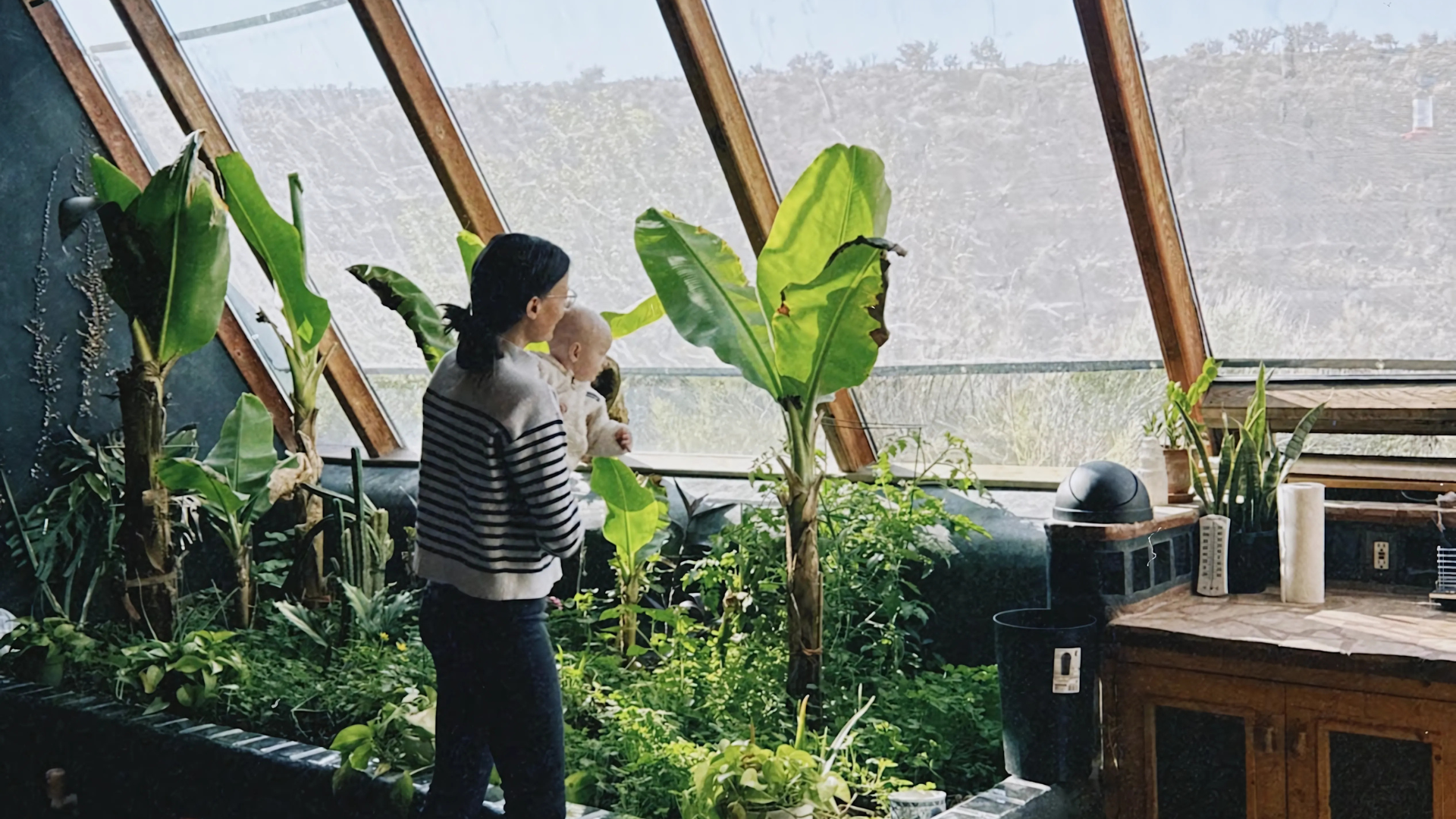
That little plant became the catalyst for something much larger. I went on to study Environmental Design, driven by the desire to understand how spaces — our homes, our cities, our workplaces — shape our well-being. I learned that nature isn’t just something to be admired from a distance; it’s an integral part of our health. Exposure to natural elements reduces stress, improves cognitive function, and even strengthens community bonds. I saw firsthand how green roofs and living walls transformed dull, uninspiring environments into vibrant ecosystems, how daylight streaming into a room could lift people’s moods, and how integrating plants into urban planning could clean the air and cool our cities.
Biophilic design is not just about aesthetics — it’s about creating spaces that respond to our innate need for nature. It’s about designing homes that breathe, offices that energize, and cities that embrace the natural rhythms of life. Every choice we make — from the materials we use to the layouts we craft — can either deepen our bond with the natural world or sever it further.
This understanding led me to create the Biophilic Design Community. At its heart, this community was born from hope. I saw so many disheartening things—polluted waterways, concrete jungles, declining pollinators, and a growing detachment between people and nature. I needed a space to document inspiring projects from around the world, to connect with others who shared my passion, and to find new ways of integrating Biophilic principles into everyday life. The community became more than just a resource—it became a movement, a reminder that we are not alone in this fight to restore the balance between the built and natural worlds. Plants are not black and white they're green. It's not an exact science and there's beauty and resilience in that. In the same way, we can’t be overly prescriptive with applying nature based solutions.

Image by Alexandra Bowen
One of the most profound lessons I’ve learned from Biophilic design is the value of slowness. In a world that glorifies speed, nature moves at its own steady pace. A tree does not rush to grow; a seed does not bloom overnight. There is wisdom in that patience, a lesson in resilience. By starting from seed, we learn to appreciate every step of the process — the waiting, the nurturing, the unexpected turns. This mirrors how we must approach sustainability and urban planning: with intention, observation, and a willingness to learn from the land rather than impose upon it.
We are at a pivotal moment. The way we develop our cities, produce our food, and interact with the environment has profound consequences on our health and well-being. But within these challenges lie immense opportunities. By embracing Biophilic design, we can create spaces that nourish both people and the planet. We can move away from isolated solutions and instead take a holistic approach that values ecological, social, and economic well-being as interconnected forces. I believe in an Ecomorphic design ideology. The term Ecomorphic describes buildings that mimic natural systems and reconnect people to [the spirit of] nature. Similar to the spirit of a place, "genius loci."
In the last 70 to 80 years, the way we interact with the land and how we develop the places we work, live, generate energy, grow food, and produce products have dramatically shifted in a way that disconnects us from nature, creates significant costs and challenges, and reduces our quality of life. The result is both a set of compounding social and environmental issues and an opportunity to create immense economic and social value if we take a different approach.
I am not just talking about ‘green’ development, sustainable agriculture, or renewable energy. These and other good strategies are being done in many places — but they are being done in isolation. We are talking about Biophilic informed development — understanding the land in any particular place and designing how we live, work, and produce the things people need to survive in ways that listen to and learn from that particular natural landscape. This approach can unlock the economic, social, and environmental opportunities of our time.
Natural resources are becoming economic drivers in ways that they have not been in the past. Yet the other side of this very real challenge is a huge opportunity for those who recognize it and meet the growing long-term demand for reliable and sustainable clean energy, food, and water. I am concerned about the quality of life implications of biodiversity loss, climate destabilization, water pollution, and resource depletion that we see as consequences of our current industrial and development practices. I see the real impacts of these practices every day and in nearly every community — from the depletion of aquifers and contamination of freshwater resources, caused by industrial irrigation practices and antiquated storm/wastewater management, to the paving of agricultural soils, caused by economic and regulatory incentives that drive sprawling, low-density real estate development.
Biophilic development is made up of a deep, philosophical belief that healthy, productive, stable natural systems are at the core of most value creation on the planet — they are the foundation of food we eat, water we drink, energy that fuels our communities, and materials in every product we use. Where and how we live matters and impacts the quality of our lives and our very health. Our current development patterns create communities that are disconnected from nature, reinforce a sedentary lifestyle, make good food expensive and unhealthy food cheap, and degrade the quality of the water we drink and the air we breathe. Conventional approaches to agriculture, energy, manufacturing, and other industries concentrate toxins and chemicals in our environment and raise additional concerns for our health. We are not only disconnected from nature, we are increasingly disconnected from each other with the distances between home and work, lack of walkable communities, and degraded sense of place all contributing to greater isolation and a loss of family and community time.
We, right now, have the opportunity to shift the very mechanism that has caused severe environmental and economic equity damage — human development patterns that ignore and extract from nature — to the mechanism that restores environmental health and builds stronger communities. I see this, not as utopian idealists but as seasoned investors, large-scale developers, asset managers, and scientists who recognize the power of merging an environmental imperative with a business opportunity. Learning from the land and environment, through the practices of Biophilia and Biomimicry approaches will aid in the success of this sustainable ideology. By observing the patterns and processes of nature, we can conclude that there are many lessons to learn about the fit between humans and the environment.
We must recognize that nature is not an optional feature — it is essential. Our spaces must not only function but also inspire, heal, and reconnect. We must advocate for policies that prioritize green spaces, push for materials that are regenerative, and craft environments that bring the outside in.
We often speak about nature as something separate from us, but the truth is, we are nature. The plants, the trees, the rivers—they are not just resources to be used but “family” to be protected. Biophilia, at its core, is about love — love for the living world and for each other. If I can get someone to care about the plant on their desk, perhaps I can get them to care about the vast, intricate ecosystem that sustains us all - the big plant we live on. And maybe, just maybe, that love will inspire them to fight for its future.
About Alexandra
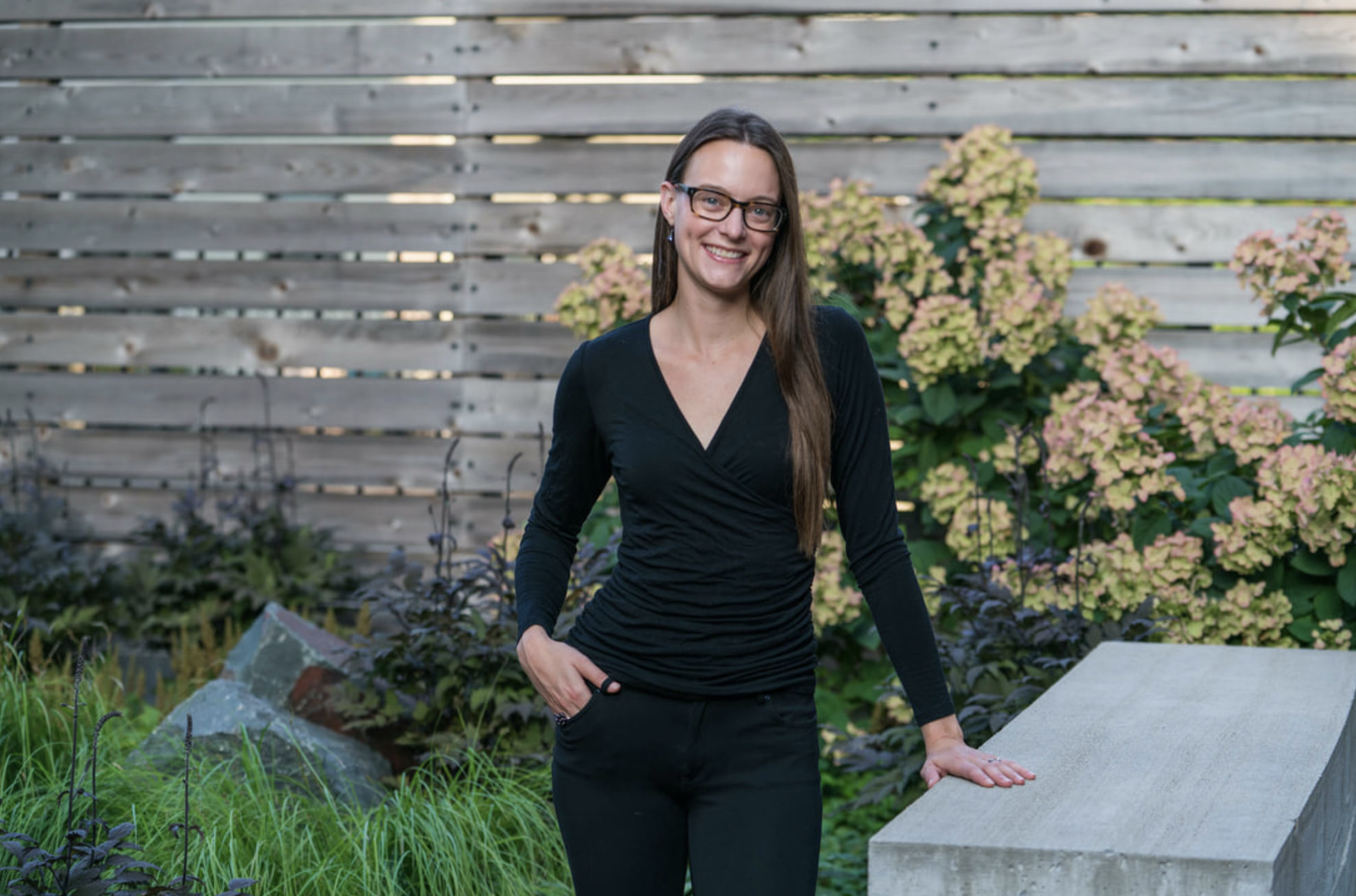
I am the founder of the Biophilic Design Community (linkedin.com/company/biophilic-design), a community dedicated to bringing together professionals and enthusiasts passionate about integrating nature into the built environment.
With a degree in Environmental Design and Urban Planning, I specialize in consulting on urban and community engagement projects. My focus is on nature-inspired design strategies that promote placemaking, community engagement, and long-term sustainability. Additionally, I design and implement green and blue infrastructure solutions that enhance urban resilience and contribute to healthier, more sustainable spaces.
Driven by the belief that thoughtful design can create lasting positive change, I am committed to shaping environments that benefit both the planet and the people who inhabit them. If you are interested in collaborating or working on a project, please email: alexandra@biophiliadesign.org