
Design Tips for Creating a Mental Health Refuge
Laura Hodge Studio
Imagine stepping into your home and having a dedicated space that feels secure, calming, and enveloping—a space that enhances comfort and provides a sense of safety. If you have children, think about creating this haven for them too. Personally, I’m reminded of 19th-century British literature, where children often tucked themselves into window nooks with thick drapes, finding solace in a small, enclosed space to read or hide from the world.
Creating a refuge space is essential for anyone dealing with anxiety and burnout. But where do you begin? In this article we will give you a step by step guide to creating your very own place of refuge.

Pierre Yovanovitch
Biophilic Design for Well-Being: Nature-Inspired Interiors that Promote Comfort and Protection
Designing an enclosed, protected environment indoors taps into the same innate desire for shelter and security that draws us to sit under a big tree with overarching branches in a park. Have you ever thought about why we innately look for a beautiful big tree with overarching branches to sit under when relaxing in a park or having a picnic? What is it about a canopy of branches that we are drawn to? Is it the protective feeling it brings? Is it taking the vastness of the sky and clouds and trees, the giants of nature, and creating a more intimate, contained space, a feeling of being embraced by nature? It offers us a sense of safety from the elements, filtering sunlight, shielding us from wind, and even quieting the ambient noise around us. This natural structure provides a perfect balance between openness and security, making us feel protected yet connected to the larger world around us.
When we translate this desire into an indoor environment, the goal is the same: to create a space that feels sheltered, intimate, and secure. Inside the home, an enclosed refuge can mimic that feeling of sitting under a tree, offering protection from external stressors and creating a smaller, safer space within a larger environment. Just as branches give us a reprieve from the elements, an indoor refuge should offer a sense of protection from sensory overload—whether it’s from harsh lighting, noise, or even the visual chaos of everyday life.

“Did you know that the refuge space is grounded in spatial and environmental psychology and the prospect-refuge theory? It is also one of 14 biophilic design patterns intended to enhance perception of safety and comfort.”

Geremia Design

Heidi Caillier
Options like drop-down ceilings or fabric canopies over your bed or seating area can help create a cozy retreat. For smaller spaces, a cocoon-shaped chair can offer a similar effect, providing both physical and mental comfort.
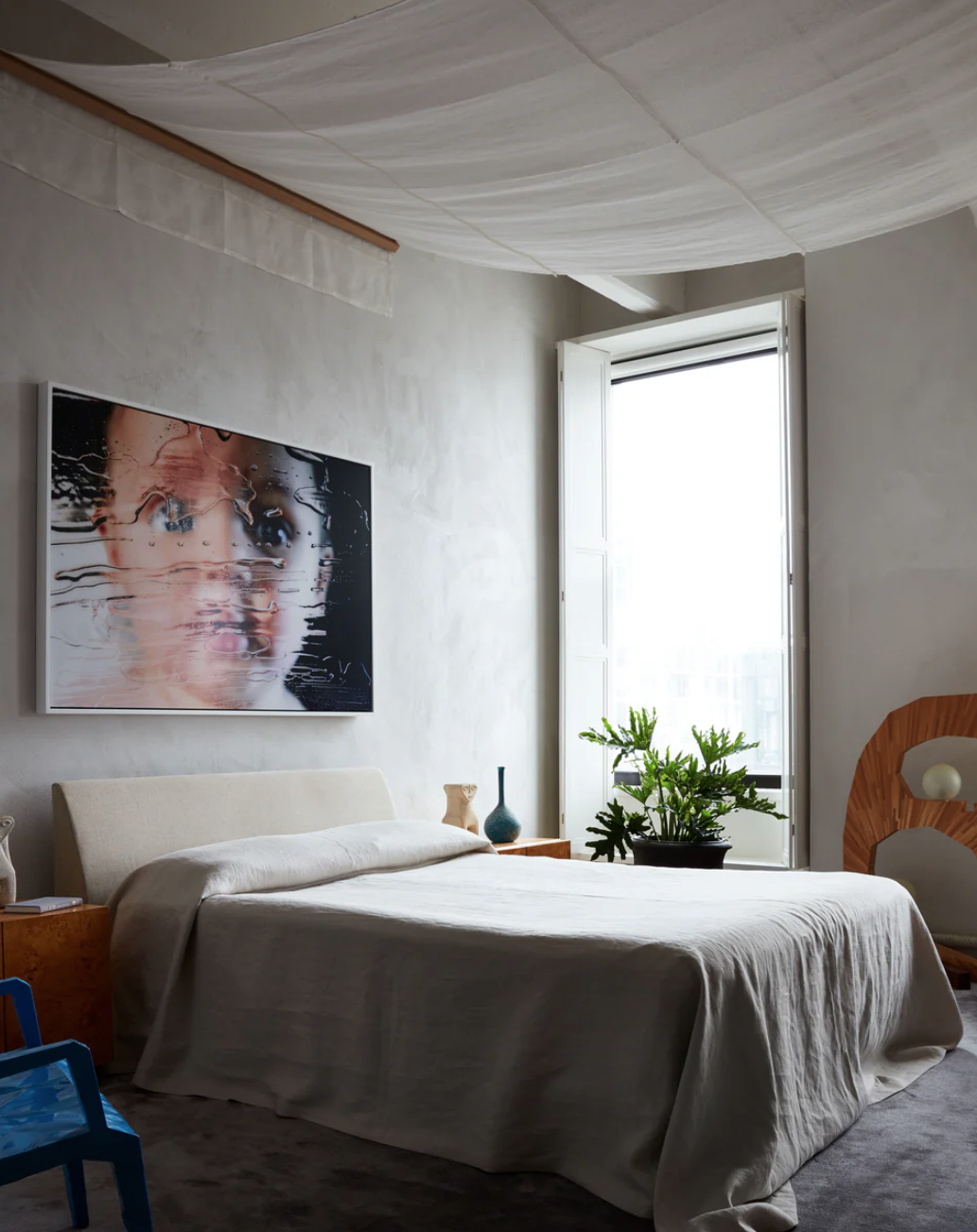
Pierre Yovanovitch
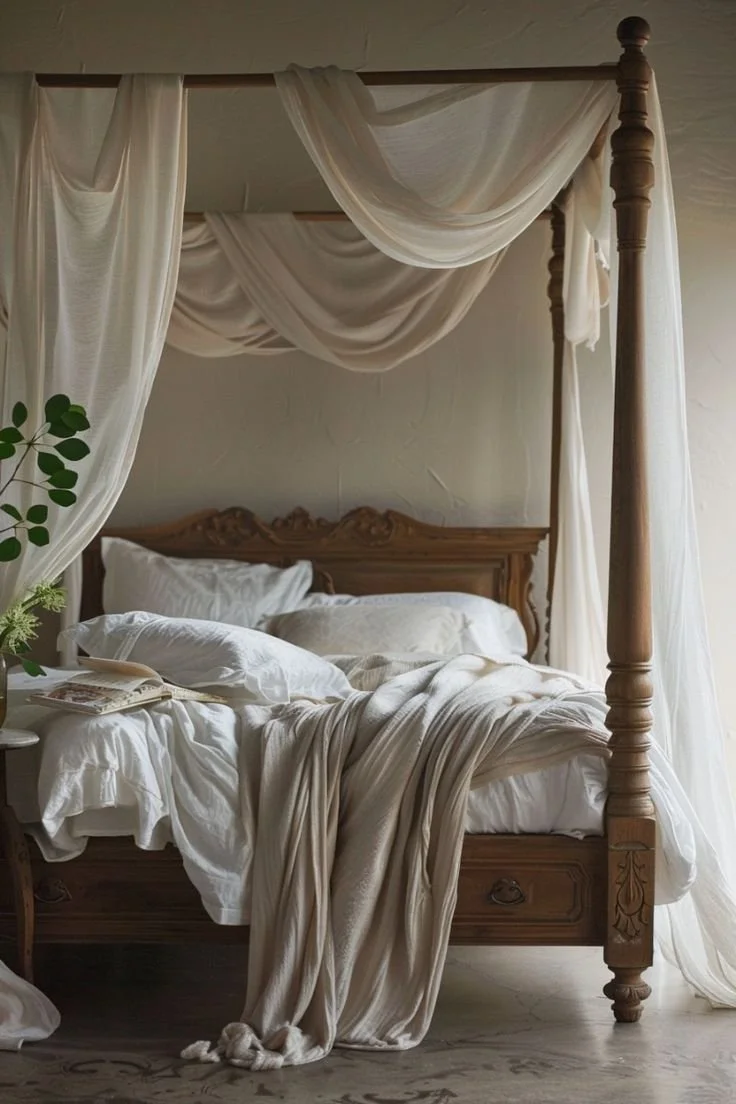

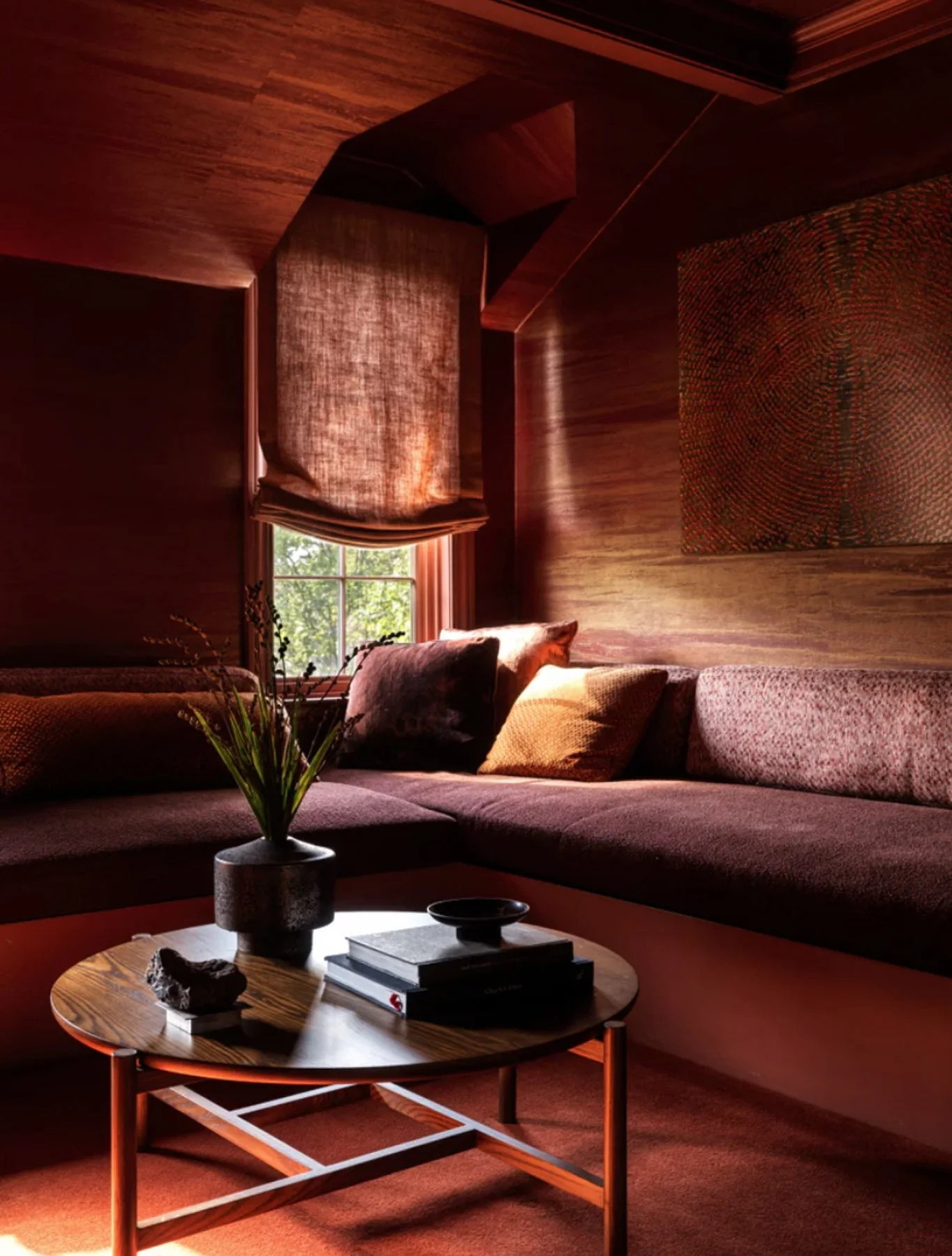
Giancarlo Valle
Prospect Refuge
Creating a Healing Space: Your How-to-Guide to a Nature-Inspired Refuge at Home
When you’re looking around your home for a spot to turn into your own refuge space, think about where you naturally feel a little more at ease. Even though our example video is of a luxury residential home, your space doesn’t need to be big or fancy to provide you with benefits—just a place where you can breathe a little deeper and let go of the outside world. Here are a few things to keep in mind as you search:
1. Find Your Quiet Corner
Life gets noisy. Try to pick a spot where you can get away from the hustle. Maybe it’s a corner of your bedroom, or that little nook by the window that you’ve always liked. You want somewhere with fewer distractions—a place where you won’t be interrupted, even if it’s just for five minutes of peace.
2. Soak Up the Sun
If you can, find a spot with some natural light. Sunlight has this amazing way of lifting your mood and helping you feel more energized. A chair by a window could be perfect, letting the sun’s warmth come through. And if there’s no window nearby, no worries—just add some soft, warm lighting that makes the space feel inviting.
3. Bring Nature In
Try to find a place where you can add a little nature. This could be as simple as a few potted plants or even a view of the outdoors. Being surrounded by natural elements—even if it’s just a plant on a shelf—can help you feel more grounded and connected. The goal is to create a little oasis where nature can work its calming magic.
4. Comfort is Key
Your refuge space should feel like a warm hug. Think cozy blankets, a favorite chair, or maybe a soft rug that feels good under your feet. You want a place where you can sink in and just relax, whether you’re reading a book, meditating, or just taking a quiet moment to yourself. This space is all about comfort—whatever that means to you.
5. A Little Privacy Goes a Long Way
It doesn’t have to be completely cut off from the world, but try to find a space where you can feel a little tucked away. Maybe it’s a corner of the living room or a spot behind a screen. You just want somewhere that gives you a sense of privacy—a space that feels like it’s truly yours, where you can disconnect and focus on you.
6. Make it Yours
Personalize your space with things that bring you joy. Maybe it’s your favorite book, a photo that makes you smile, or a diffuser with a calming scent. Surround yourself with meaningful objects that remind you to take care of yourself. It’s your space—fill it with whatever brings you peace.
7. Room for Wellness
Think about what you’d like to do in this space—whether it’s meditating, stretching, or just sitting quietly with a cup of tea. Make sure there’s enough room for those little moments of self-care, whatever they look like for you. You don’t need a lot of space, just enough to do what makes you feel good.
The goal is to find a spot that feels like yours—a place where you can let go, unwind, and focus on feeling better. It’s about creating a little corner of your home that helps you recharge, no matter how hectic life gets.
Biophilic interior design can transform your refuge space into a haven that promotes mental well-being. The following natural elements are not only visually soothing but also scientifically proven to reduce stress and symptoms of anxiety.
Things to Consider
Things to Consider
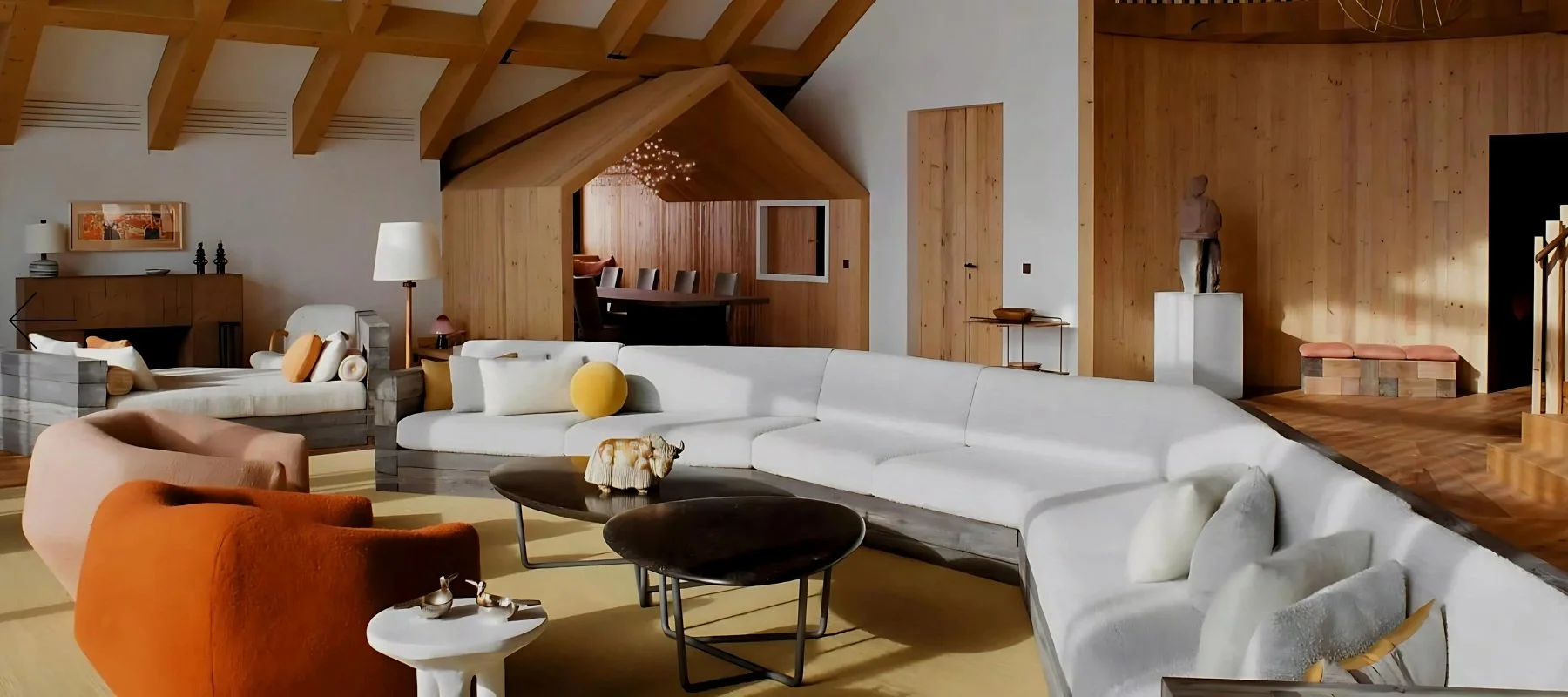
Comfortable, Therapeutic Interior Design for Anxiety
Comfortable furniture that supports relaxation and mental well-being is vital. Invest in ergonomic furniture that promotes good posture and relaxation. Soft textures, cozy throws, and plush pillows enhance the feeling of security and comfort in your refuge space.
Pierre Yovanovitch Design
Calming Colors for Restorative Interior Design
Color plays a crucial role in influencing mood and emotions (aka affective states). Soft, muted tones like blues, greens, and happy neutrals are known to calm the mind when experiencing stress and anxiety, while vibrant hues may stimulate energy or emotion, which can be beneficial in combating depressive symptoms. Choose colors that make you feel peaceful and complement your biophilic design.
Transform Your Space Into a Mental Health Refuge
Designing a refuge space that incorporates biophilic design patterns is a powerful way to mitigate stress, anxiety, burnout, fatigue and depression. By creating your personalized space with nature-inspired elements that reflect beauty, harmony, comfort and security, you can create a restorative environment that nurtures your nervous system, mental health and well-being. Whether it's through calming colors, soothing textures, or natural elements like plants and wood, your refuge will become a healing haven where you can escape the pressures of daily life and find peace. []
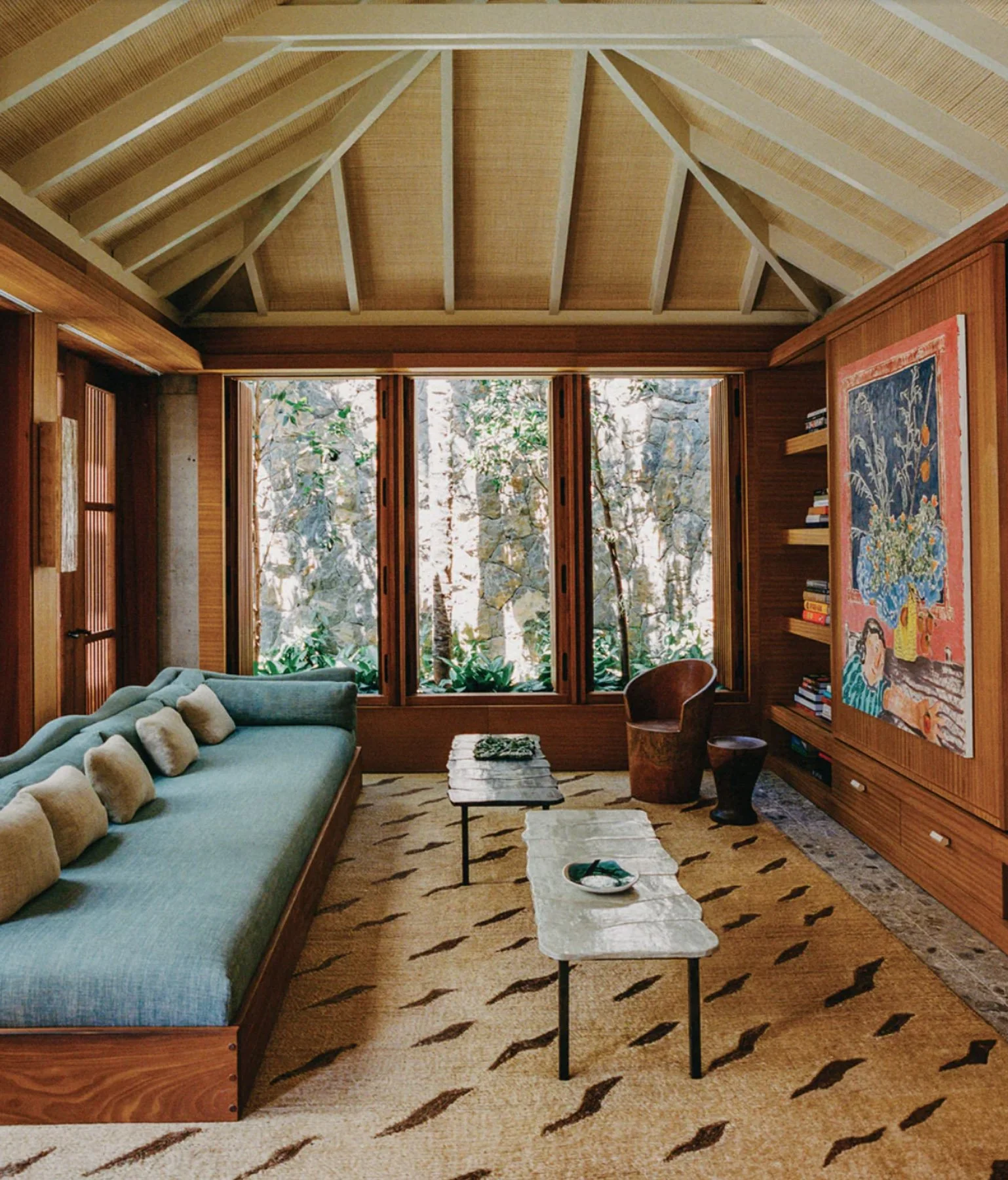
Giancarlo Valle
When designing a space that supports mental well-being, it’s easy to fall into some common design traps.
Here are mistakes to avoid:
Overcrowding the Room: Too much furniture or decor can create a cluttered, overwhelming space that triggers stress and supports anxiety. To avoid this, use design principles that emphasize open spaces and ease of movement. By focusing on simplicity and functionality, you can maintain a more calming environment.
Poor Lighting: Insufficient or harsh lighting can strain the eyes, disrupt sleep cycles, and negatively affect mood and productivity.To improve this, allow your space to receive ample natural light during the day by using sheer curtains or blinds to allow sunlight in while maintaining privacy. Complement natural light with adjustable lighting options such as dimmable lamps and fixtures. This helps to create a comfortable atmosphere, reducing eye strain and supporting a healthier sleep-wake cycles. You may also consider using lighting technology designed to decrease depressive symptoms.
Opting for Synthetic Materials Over Natural Ones: A common pitfall is opting for synthetic materials (like plastic furniture or vinyl flooring) which create a sense of disconnect from nature, increasing feelings of stress or isolation. While synthetic alternatives may seem budget-friendly, many contain volatile organic compounds (VOCs) that can harm indoor air quality and your health. Synthetic flooring, rugs, furniture, and finishes can release harmful chemicals over time, leading to respiratory and cardiovascular issues, headaches, and an increased risk of depression.
By choosing natural materials like wood, stone, wool and cotton you’re not only investing in durability but also avoiding these harmful chemicals. Natural materials are inherently more sustainable and provide health benefits—wood, for example, has been shown to promote relaxation and reduce stress when touched or seen. Stone introduces an earthy, grounding energy that enhances the connection to nature. Together, these materials foster a serene, healthier environment that perfectly aligns with the principles of biophilic design.
Choosing Style Over Comfort: It’s tempting to prioritize aesthetics over comfort, but this can lead to a space that feels unwelcoming and fails to provide a soothing retreat.
To avoid this, create a balance between style and comfort by selecting furniture and decor that aligns with your aesthetic but also promotes a resting environment. By considering both form and function, you can create a space that is not only stylish but also conducive to relaxation and well-being.
Common Design Mistakes That Impact Mental Health

Related Articles

Healthy Dwellings: How Biophilic Design Supports Mental Health

Does Your Home Support Your Mental Well-being?

Top Mental Health Retreats