


Featured Article
Healthy Dwellings: How Biophilic Interior Design Supports Mental Health
Geremia Design
Healthy Dwellings: How Biophilic Interior Design Supports Mental Health is a Dayhouse Living Issue 2 article from Dayhouse Studio on Healthy Dwellings and how biophilic interiors can support mental well-being. Complementary to medical care, not a substitute. Based in Salt Lake City, we share science-backed ideas for restorative living.
Forty years ago, I found myself holding an invitation to the birthday party of the “coolest girl” in my fifth-grade class—Olivia Jones*. As the new kid at a small school in Corpus Christi, Texas, I was struggling to find my place. The prospect of going to her party brought a wave of excitement, mixed with a deep current of anxiety. Olivia lived on Ocean Drive, the kind of street in every town that whispers wealth and prestige, lined with ocean views that felt miles away from where I’d come from. Having just moved from a smaller town and an even smaller neighborhood, the invitation felt like a rare golden ticket—one that carried both excitement and a gnawing fear of not belonging.
I had recently been diagnosed with ADHD, was struggling in school and my self-confidence was fragile. So when I walked into Olivia’s house, it was with a million butterflies in my stomach. The place was extraordinary. The architecture was unlike anything I’d ever seen—modern, but not in the boxy, predictable way. Imagine cubes and rectangles stacked like blocks, but with soft, dramatic curves replacing sharp edges. The house overlooked the Corpus Christi Bay, and a shimmering pool gleamed just beyond the kitchen. I remember thinking, “This is a house out of a dream.” To this day, I’ve never seen another like it.
The house had an air of mystery about it, a kind of hidden mystique that made me feel like I’d stepped into another world. Walking through, I noticed eclectic sculptures dotted around, a quiet water feature humming in the background, and bold, daring choices in the decor—like a painting of a naked woman, and a stuffed jaguar at the base of the stairs? I could’ve sworn it moved. The details of the house felt wild and grounded at the same time—stone floors, a sturdy wooden handrail, and brutalist details and art that seemed to speak of permanence. It was solid, earthy, and at the same time alive with lush tropical trees stretching toward the ceiling, turning the space into something of a hidden jungle.
For the first time in my young life, a house—this physical place—made me feel protected, inspired, even a little invincible. I was an anxious child, my mind weighed down by illness and trauma, but in this space, that anxiety melted away. The architecture, the textures, the natural elements—it all worked together to form a place of refuge. I didn’t have the language for it then, but I now recognize that the house gave me a feeling of being grounded in a way I hadn’t experienced before. I felt secure. I felt alive. I ended up having an incredible time at the party, and Olivia and I became good friends—friends we still are to this day. But more than that, the experience planted a seed in me, a realization of how deeply spaces can shape how we feel, how we move, and how we grow.
Have you ever had a similar experience—walking into a space, feeling anxious or stressed, and then, almost instantly, your senses calm and your guard lets down? It’s remarkable how the right environment can do that, like flipping a switch in your body. I’ve felt it again and again, over the years, in certain hotel lobbies, office buildings and homes. Maybe you’ve experienced it too. You step inside and are greeted by luscious plantings, soft lighting casting a warm glow from sconces, and natural dappled sunlight filtering through trees outside, spilling onto the floor or an interior wall. Your eyes catch a unique pendant light or a sculpture in the lounge, and for a moment, you’re captivated as it plays with those rich, layered lighting conditions. You hear the tinkle of the chandelier or the soothing trickle of water from a nearby courtyard or lobby fountain, mingled with the sound of your bag rolling over organic tiles beneath your feet. There’s even a signature scent—perhaps lavender or something earthy—guiding you toward the front desk.
All these elements work together to create a sense of arrival, of relief, like taking a deep breath after a long journey. It’s that feeling of “Ah, I’ve made it. I can relax now.” Even if you’re only there for a night, the space has the power to make you feel at home, restored, and ready to take on the world again when you leave.
Biophilic Design Beyond High Ceilings and Vistas: Creating Health-Focused Spaces
That unmistakable feeling of calm and relief when you step into a space that just feels right—that's the magic of biophilic interior design. It’s an approach to creating relaxing and restorative environments that support our health and well-being by reconnecting us to nature. We often encounter this in carefully crafted boutique hotels, chic restaurants, or a few thoughtfully designed office spaces. But in our homes? Not so much.
Isn't that surprising? The place where we spend most of our time, living and working, often doesn’t harness the power of design to nourish our physical and emotional well-being. Fortunately, that's starting to change.
Think about it. Even in high-end homes, it's rare to feel that deep sense of relief—the kind that allows your body to finally exhale, to let go of stress. It’s not about the price tag or trendy finishes, though those certainly can enhance the experience. True biophilic design goes beyond high ceilings and large windows; it taps into something deeper by engaging all the senses. Luxurious homes can still feel cold or disconnected if they lack this holistic approach to wellness design.
The truth is, you don’t need grandeur to create a space that feels warm, restorative, and truly supports your health. Thoughtful, nature-inspired design choices—like incorporating natural textures, a view to a flowering tree, air-purifying plants, sound and lightscapes—make a world of difference in how we feel in a space. It’s about designing environments that help you relax, reduce stress, and foster a sense of well-being, no matter the size or style of your home.
What’s fascinating is that the transformative feeling of being held by a space—feeling both calm and energized—doesn’t require lavish materials. It’s not the marble floors or designer fixtures that make a home feel like a sanctuary for the senses. As I always say, “It’s not about what your mind thinks when you walk into a space—it’s about how your body feels.”
In my own century-old home, even as it waits for renovation, simple biophilic design elements have turned it into a place that grounds me, where I feel calm the moment I walk through the door. It’s the subtle interplay of natural light, the presence of greenery, and the thoughtful integration of organic materials that can truly make a house feel like a home—a space for healing and well-being.

Pierre Yovanovitch
Designing Biophilic Spaces for Mental Health and Emotional Transformation
This is exactly what Dayhouse Living aims to help you create, no matter where you live. Whether your home has low ceilings, no view, or is a compact apartment in New York City, or a luxurious second home in Park City, Utah, or Malibu, California, it doesn’t matter. Biophilic interior design isn’t reserved for high-end homes with panoramic views, like those in Aspen Colorado. A well-designed home, no matter its size or location, can nourish you—mind, body, and soul. It can clean the air, provide energy, improve positive mood, and even gently remind you of that goal you’ve been chasing. A home can reflect who you are today while also supporting who you aspire to be tomorrow.
Integrating Mental Health into Biophilic Design: Where Wellness Meets Home
Now, imagine how crucial this becomes when you or someone you love is living with mental illness. It can often feel like an uphill battle, where even familiar spaces fail to provide the solace you need. Amber Dunford, a Design Psychologist with a masters in psychology recently said to me that when she worked with patients in the field of clinical psychology she felt that while she can create transformative healing experiences with patients in her office, the challenge came when those patients return home to spaces that lack the same mindful, supportive, and restorative qualities. That’s why integrating mental health considerations into biophilic design isn’t just a benefit—it’s essential. A biophilic home is more than a luxury; it’s transformative and deeply healing. By incorporating nature-inspired elements and thoughtful design choices, you can create a home that feels restorative, invigorating, and welcoming. Every time you walk through the door, your home should greet you like a trusted friend—offering comfort, strength, and a sense of peace.
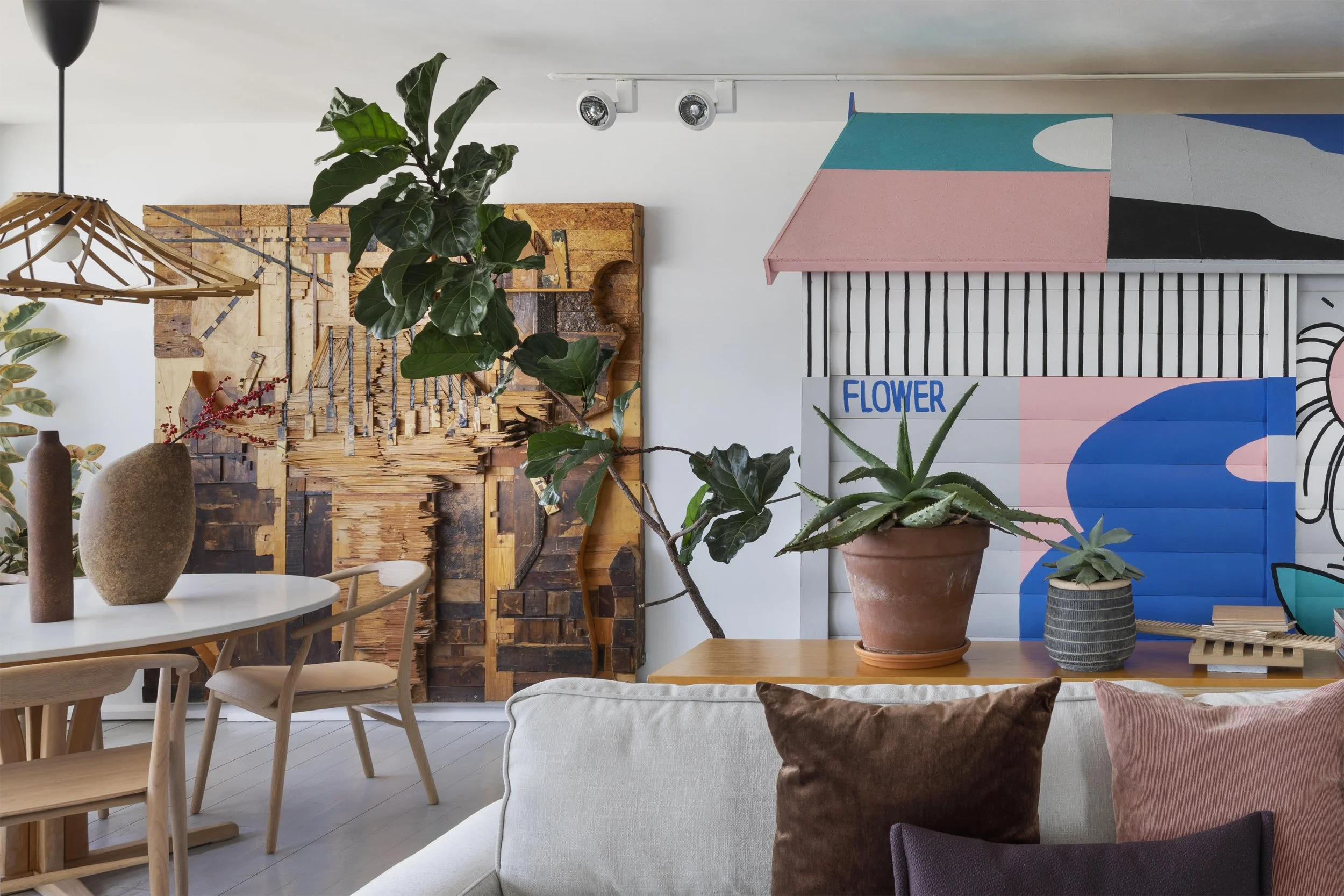
Design: Henkin-Shavit Studio Photography: Assaf Pinchuk

Pierre Yovanovitch

Pierre Yovanovitch
This article is part 2 of the layman’s version of our peer-reviewed article, "Healthy Dwelling: Design of Biophilic Interior Environments Fostering Self-Care Practices for People Living with Migraines, Chronic Pain, and Depression" that was co-authored and published by Dr. Grzegorz Bulaj and Dorothy Huntsman in the International Journal of Environmental Research and Public Health. Part 1 of the layman’s version of the article, entitled "Healing By Design," came out in the first issue of Dayhouse Living (May/June issue) and discussed the whys and how-tos of biophilic design for specific areas of the home environment. Here, we laser focus design strategies for people living with depression and anxiety.
Addressing the Mental Health Crisis
The National Alliance on Mental Illness states that “22.8% of U.S. adults experienced mental illness in 2021 (57.8 million people). This represents 1 in 5 adults.” According to the National Institute of Mental Health, an estimated 21 million US adults and 5 million adolescents (aged 12-17) had a major depressive episode in 2021. In 2019, over 20 million adults in the US experienced anxiety symptoms. Women are more likely than men to experience depression and anxiety.
Did you know that trauma, adverse childhood experiences and chronic stress are linked to mental illness?
As we are all aware, anxiety and depression significantly impact an individuals' quality of life. Depression involves persistent sadness, hopelessness, loss of interest and various physical symptoms, such as loss of energy and sleep disruption, while anxiety involves excessive worry, irritability, restlessness, fatigue, muscle tensions and heart palpitations. These mental conditions can lead to social isolation, unemployment, disability, and increased suicide risk, not to mention emotional impact on the loved ones. Current treatments for mental conditions include pharmaceutical drugs, behavioral therapies, and mental digital health technologies. However these treatments often have limited effectiveness [1], necessitating exploration of additional approaches like lifestyle and biophilic interventions.
The Role of Biophilic Design in Creating Therapeutic Environments for Mental Health
Biophilic design incorporates natural elements into indoor spaces to promote physical and mental well-being [2]. Studies show that exposure to nature using a multi-sensory approach can improve mental health, making biophilic design a valuable tool for restorative and therapeutic environments [3,4]. For example, incorporating biophilic elements in hospitals can reduce stress and anxiety, and enhance psychological well-being [5]. While healthcare facilities have recognized these benefits, residential interior designers often overlook these opportunities, especially for individuals with mental health conditions.
In his recent book, “Constructing Health: How the Built Environment Enhances Your Mind’s Health”, Tye Farrow provides examples of nurturing mental well-being with enriched environments. Such environments can be intentionally created using biophilic design principles.
Biophilic Design to Restore the Brain Health
One of the key objectives of biophilic design is to create restorative environments that promote relaxation by engaging our senses both physiologically and psychologically. On a physiological level, our bodies respond to natural elements—like calming light, enjoyable air flow, and beautiful greenery—by triggering neurochemical reactions that reduce stress (think of balancing endorphins, dopamine, epinephrine and cortisol). At the same time, biophilic design works subliminally, gently drawing our attention away from mental stress by stimulating all our senses and subtly reconnecting us to the rhythms of the natural world. This helps the body get to a state of relaxation and a quiet mind so that it can start restoring all the cells that are requiring repair (think of the brain and the neuroendocrine system).
So this state of relaxation and mind quieting is so essential. That’s why sleep is so essential—it's often the only time in our stress-filled lives when our bodies can truly reach this restorative state. The more we can spend time in biophilic environments that allow us to feel more and more relaxed, comfortable, supported, the more our bodies are able to restore themselves.

"Living with conditions like anxiety and depression can be overwhelming and isolating, affecting every facet of daily life. We understand that for many, these aren't just statistics—they represent real, ongoing battles that require immense courage and resilience. It's important to recognize that you are not alone in this journey, and there are ways to create environments that offer comfort and support."

Harnessing Biophilic Design
and Self-Care:
Creating Therapeutic Spaces for Mental Well-Being
Pierre Yovanovitch
Creating a biophilic home environment is important for the nervous system when someone struggles with mental health conditions. Yet, integrating biophilic design with self-care practices is crucial because these practices are not just comforting rituals, but evidence-based, non-pharmacological solutions that can significantly improve management of chronic conditions, including anxiety and depression [6]. For example, did you know that listening to music, breathing exercises, or physical activity, can reduce depressive symptoms? Self-care routines like mindfulness meditation, aromatherapy, physical activity, quality sleep, and exposure to nature have been shown to reduce stress and anxiety, improve mood, and even alleviate physical symptoms, such as pain. Biophilic and self-care interventions can serve as adjunct treatments without relying solely on medications, which can cause adverse side effects. This integrative approach to health and well-being can be summarized using this formula:
BIOPHILIC DESIGN + SELF-CARE = HEALTHCARE
Incorporating self-care practices into therapeutic environments through biophilic design—using natural materials, light therapy, and soundscapes—creates a holistic approach to mental well-being. Biophilic spaces don’t just look beautiful; they encourage mindfulness, relaxation, and healthy routines, making healing part of everyday life.
Dayhouse emphasizes these strategies because residential spaces designed for self-care do more than enhance aesthetics—they improve lives. What began as a personal experience 40 years ago has evolved into an evidence-based and health-centered approach to interior design.
Below, you'll find research-backed strategies for creating therapeutic home environments that support various mental health conditions.
“Perhaps you heard about the importance of the vagus nerve to improve mental health. The vagus nerve is an important part of the parasympathetic nervous system (“rest and digest”) that connects the brain and the gut, while also impacting heart rate variability. Stimulation of the vagus nerve and the activation of the parasympathetic nervous system are critical to counteract chronic stress and inflammation that lead to depression and anxiety. In 2017, two researchers provided examples of “natural ways to stimulate the vagus nerve” such as slow breathing exercises, chanting, listening to music, positive social connections, massage, laughter, forgiveness, mindfulness, physical exercises, cold water exposure, nutrition and fasting (Yuen and Sander, Epil Behav, doi.org/10.1016/j.yebeh.2016.10.039). ”

Therapeutic Home Design Strategies for Better Mental Health
Biophilic Elements
Indoor Plants and Flowers
Introduce indoor plants and flowers in intentional ways as there is such a thing as having too many plants in the environment. In my house, plants complement the layout and daily flow. One way we have created a refuge space in our 1000 sf home is to separate out a room that is open to the common areas in the open floor plan by placing at the “entrance” two large and beautiful banana trees that together form a natural arch. This technique creates a sense of protection, like two guardians to this room we use for resting the brain and relaxing the body.
Enjoy the health benefits of houseplants and flowers, for example they proved a better recovery from stress, improved cardiovascular functions, positive emotions and mental health [7]. A research study published in the Journal of Alternative and Complementary Medicine showed that “Patients in hospital rooms with plants and flowers had significantly more positive physiological responses evidenced by lower systolic blood pressure, and lower ratings of pain, anxiety, and fatigue than patients in the control room.” Another study showed that patients with acute coronary syndrome had significantly lower depressive symptoms three months after hospital discharge when artificial flowering plants were placed in their hospital rooms. More research found that fragrant primula can increase relaxation, while roses can reduce physiological stress. Within beautiful nature, we dwell well!
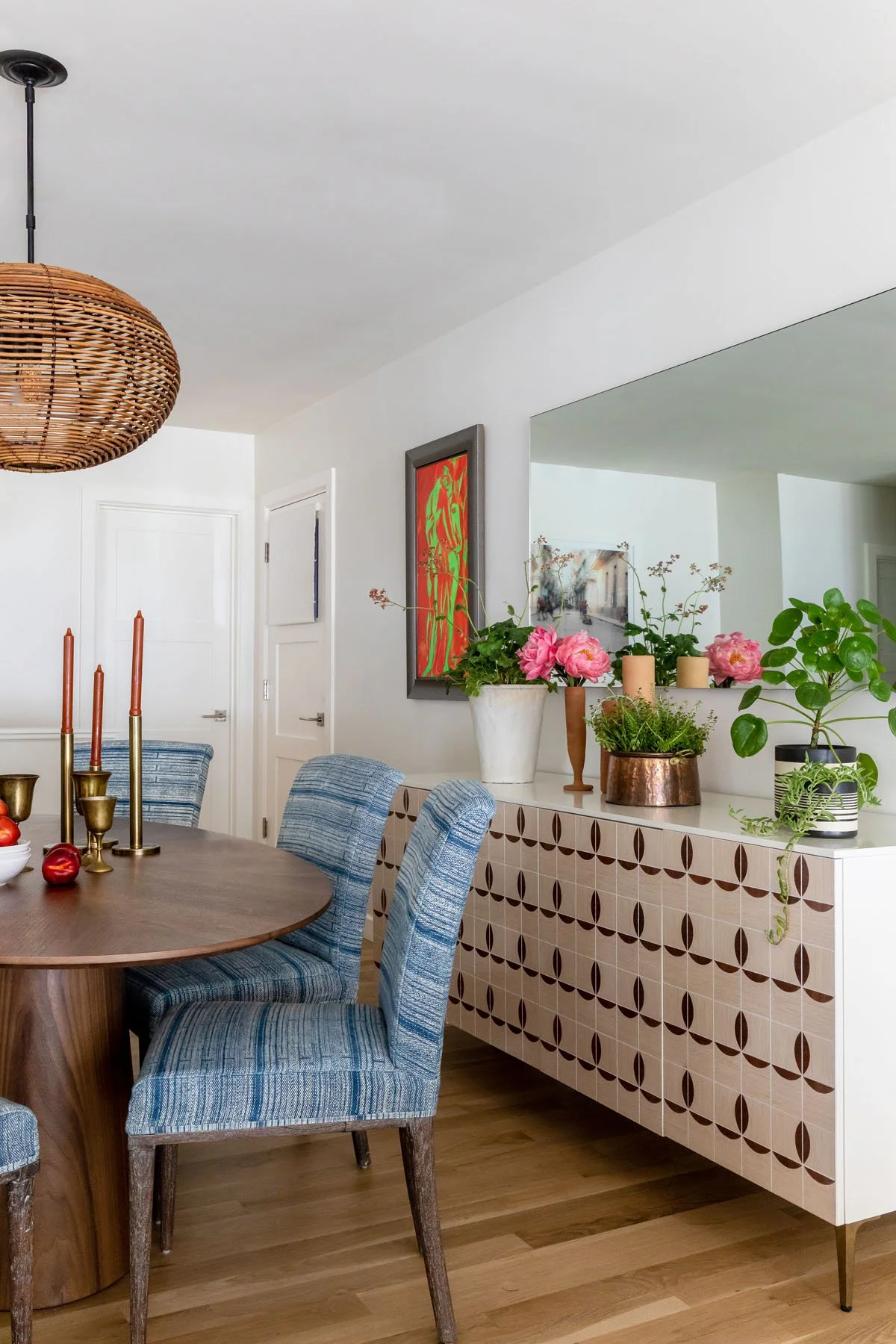
Dayhouse Studio
“Research studies show that viewing or touching wooden surfaces can have a calming effect - a great way to reduce anxiety symptoms.”

Geremia Design
Wooden Materials
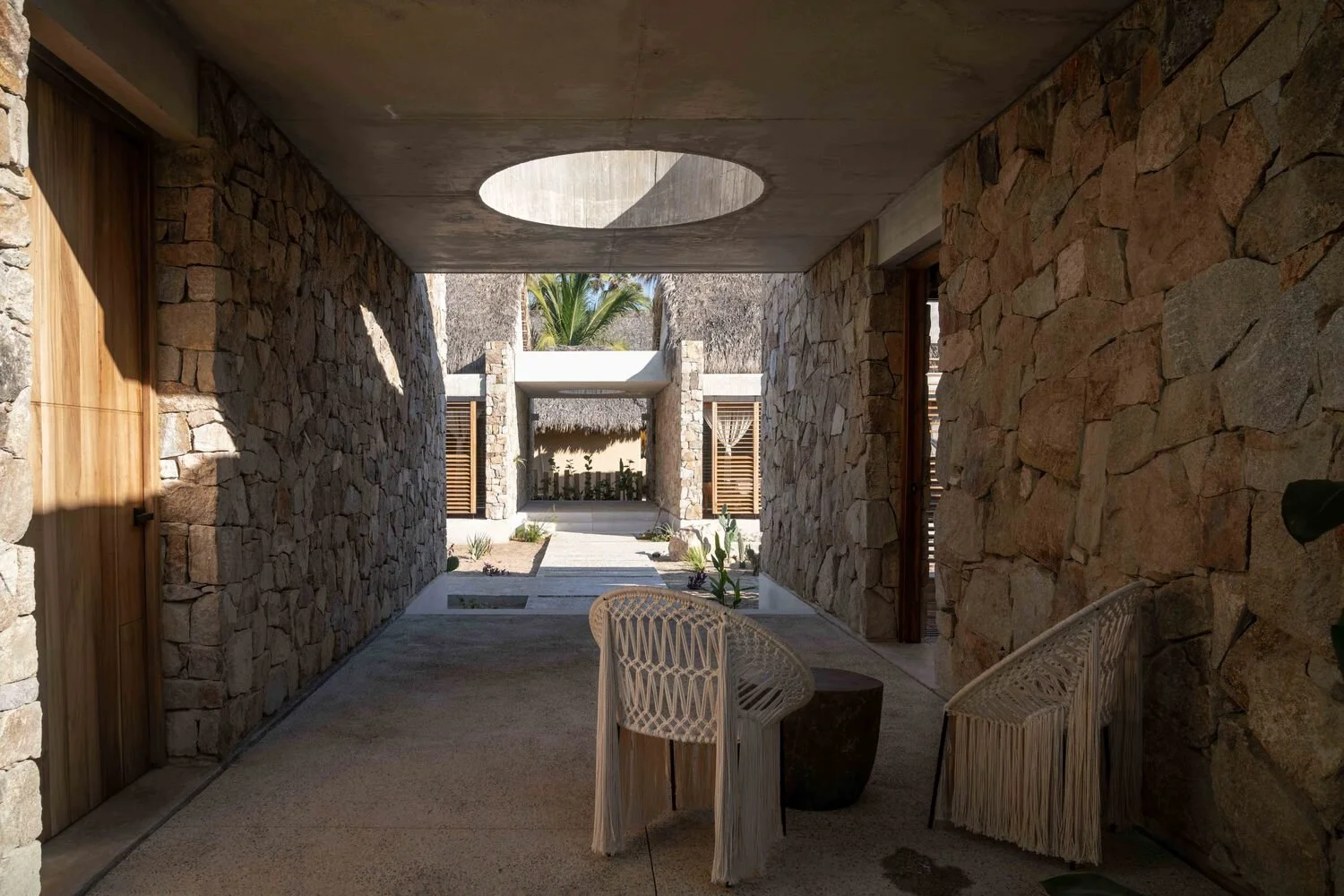
Experience the relaxing effects of wooden elements. Feel the quiet rhythm of nature as you sink into your favorite nook, hands grazing the smooth, aged grain of a wooden armrest. There's something profoundly calming about wood—it’s like holding a piece of the earth itself, grounding you in the present moment. Whether you’re enjoying a slow morning at a wooden coffee table or letting your feet connect with a hardwood floor, these tactile experiences speak directly to the body’s need to unwind.
Consider the layers of history embedded in antique wood furniture—each groove and scar tells a story. Our own space is rich with character, with pieces like a 17th-century bar or a carved bench from the 1700s. They bring a sense of depth, reminding us that good design doesn’t just look beautiful—it feels lived-in, steeped in time.
But the beauty of wood goes beyond aesthetics. Research shows that interacting with wooden materials—whether through sight or touch—has real, physiological effects. It activates your parasympathetic nervous system, the “rest and digest” mode, lowering your heart rate and easing anxiety by bringing the body into a relaxed state. So next time you're surrounded by wooden elements, know you're not just enjoying their beauty; you're giving your nervous system a much-needed break.
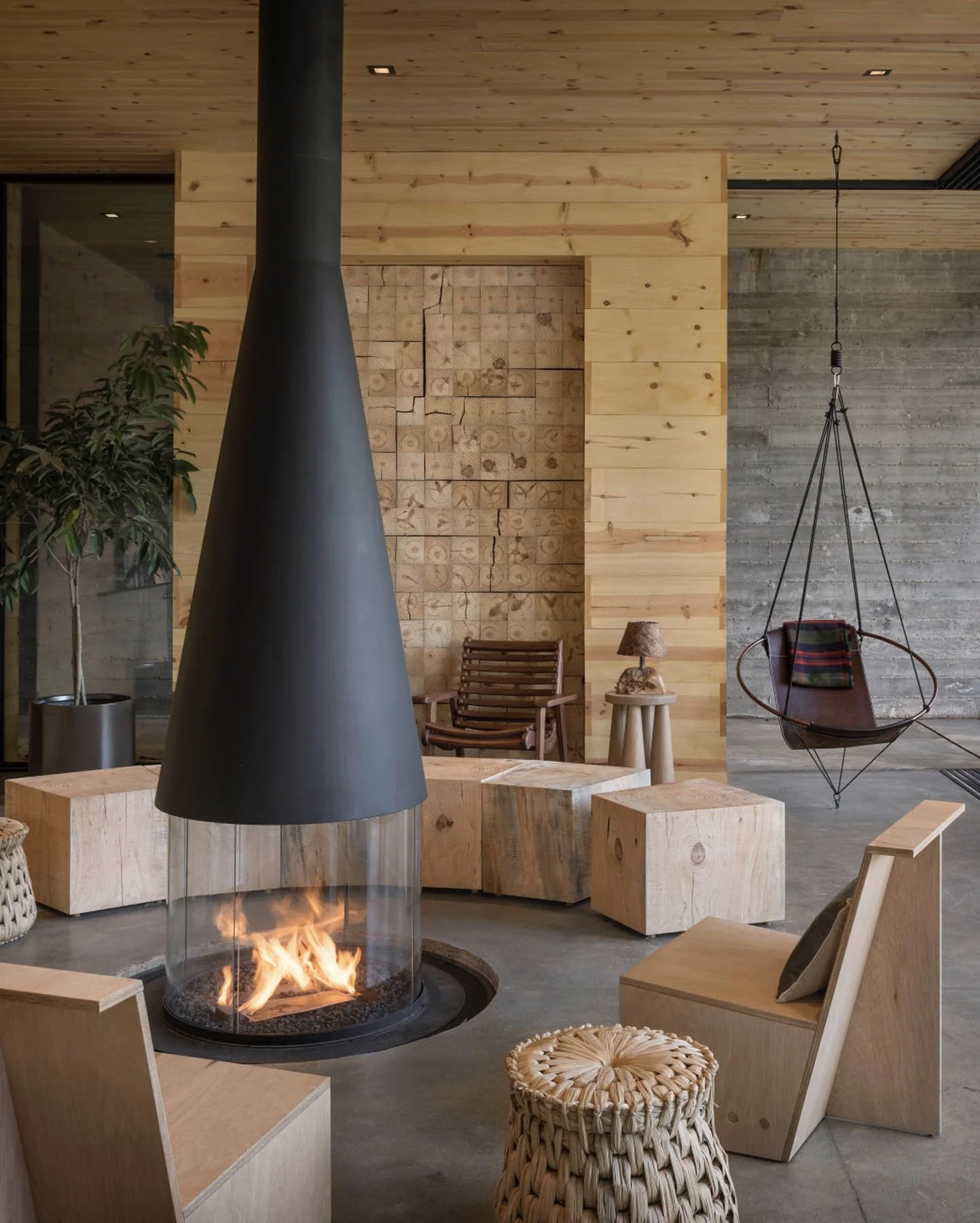
Geremia Design
Window View
Explore your window views. Take a moment to connect with what’s outside your window. Do you see swaying trees or a glimpse of greenery? Studies consistently show that window views of natural spaces—gardens, forests, even a single tree—are linked to improved mental health, lowering the risks of depression and anxiety. In fact, research in healthcare settings found that a simple view of nature from a hospital window can reduce the need for pain medication, while also fostering a sense of calm and boosting positive emotions(8).
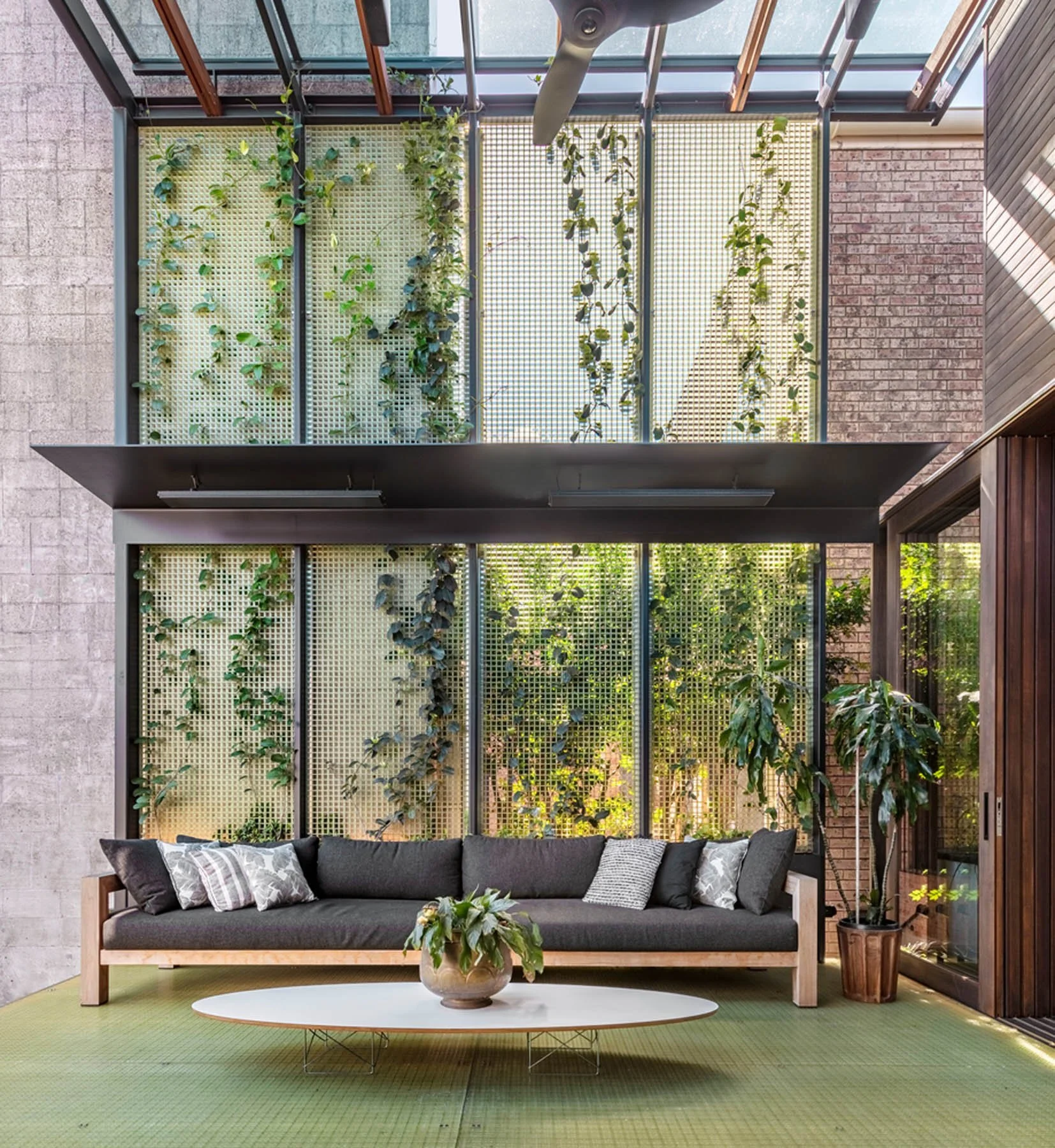
But what if your window doesn't open to a lush garden? You can still bring nature into your view. Consider creating a "living windowsill" with vibrant indoor plants that thrive in natural light. Think about adding small herbs or air-purifying plants like snake plants or peace lilies—they’re low-maintenance and known to improve air quality. When selecting plants for windows, make sure that they thrive in direct sunlight or prefer indirect light. Window shelves can also be a great solution, giving you more space to display greenery, or even natural elements like stones, driftwood, or a miniature bonsai. These subtle additions not only enhance your visual connection to nature but also tap into the power of biophilic design, helping to lower stress and elevate mood.
For windows without much of a view, try incorporating natural textures through sheer linen curtains that catch the sunlight or hang nature-inspired art to mimic the soothing effects of greenery. Reflecting outdoor light into your space can make all the difference—mirrors can bounce the glow of daylight deeper into your room, creating a sense of openness and bringing the outside in.

Natural sounds
Listen to nature sounds. Imagine sinking into your sofa, eyes closed, while the gentle sounds of birdsong or a flowing river fill the air. It’s easy to picture yourself nestled in a tropical forest or reclining on a sun-drenched beach, the soothing sounds wrapping around you like a soft blanket. Placing a small speaker near your favorite spot in the living room and playing nature’s melodies can do more than just set the mood—it can truly nourish your mind.
Research tells us that these natural sounds have profound effects on our bodies. Listening to birds chirping or the rhythmic splash of waves not only melts away stress but can also reduce anxiety and coax the parasympathetic nervous system into action, the part of your body that whispers, “Relax, you’re safe.” It’s a simple, powerful way to bring nature’s healing touch into your home, even on the busiest of days.
Natural light
Enjoy natural light. Many know sunlight is a natural mood booster—one reason we were always told to "go play outside" as kids when we were bored. It helps our bodies produce vitamin D and provides a remedy for seasonal affective disorder through bright light therapy. But there’s more to it than that—basking in natural light can also help regulate our circadian rhythms, reducing the risks of depression and anxiety that can arise when those rhythms get thrown off course.
Dynamic, diffuse lighting is a key feature of biophilic design, helping to bring the rhythms of nature into your home. Smart lighting systems that adjust throughout the day can support your natural sleep-wake cycle and promote better sleep hygiene. Consider exploring bright light therapy lamps or smart mood lighting that adapts its colors and intensity based on how you're feeling—creating the perfect atmosphere, whether you need a pick-me-up or a moment of calm.
For those living with depression, filling your space with natural light can foster a stronger connection to nature, stimulate arousal and boost positive emotions. On the other hand, for people managing anxiety, introducing warm, "zero-blue" lighting in the evening helps create a calming atmosphere while supporting healthy circadian rhythms. In fact, research with hospitalized stroke patients found that naturalistic lighting significantly reduced depression, anxiety, and fatigue—proving that thoughtful lighting design can have a profound impact on mental health.

Geremia Design
outdoor green spaces
Plant a tree. In our first issue of Dayhouse Living, we explored the incredible health benefits of urban trees in the article, “Breathing Life: The Healing Power of Urban Trees on Human Health.” These green giants not only improve mood and mental health but also help reduce anxiety and physiological stress. Recent research from urban neighborhoods in Texas found that the amount of green space around your home can significantly impact mental health, reducing symptoms of depression, bipolar disorder, and anxiety (9).
forest bathing and gardening
Step into the embrace of a forest or tend to a garden—both are powerful forms of, what we would call, biophilic self-care practices. Whether you’re forest bathing or gardening, these practices have been shown to significantly reduce depression, anxiety, and fatigue, while improving heart rate variability (10). Feeling curious? Take a moment to explore the nearest community gardens or urban parks in your neighborhood and see how reconnecting with nature can transform your well-being.

Lubrano Ciavarra Architect

Self-care Practices
Hike in the forest, or walk in an urban park. When was the last time you enjoyed outdoor nature in your neighborhood? Many research studies show that walking in nature can increase positive emotions, reduce fatigue, anxiety, stress and stress hormone (cortisol), and can activate the parasympathetic nervous system. Frequent visits to green spaces are also associated with less frequent use of medications for mental disorders.
Spend Time in Nature

aromatherapy
Create therapeutic scentscapes with essential oils that have antidepressant and anxiolytic properties. Essential oil diffusers offer powerful ways to improve mental health by activating specific brain regions and neurochemicals that improve mood. In Europe, lavender essential oil has a status of herbal medicine for stress relief and sleep aid. Aromatherapy with lavender or citrus oils is effective in relieving anxiety and depressive symptoms.

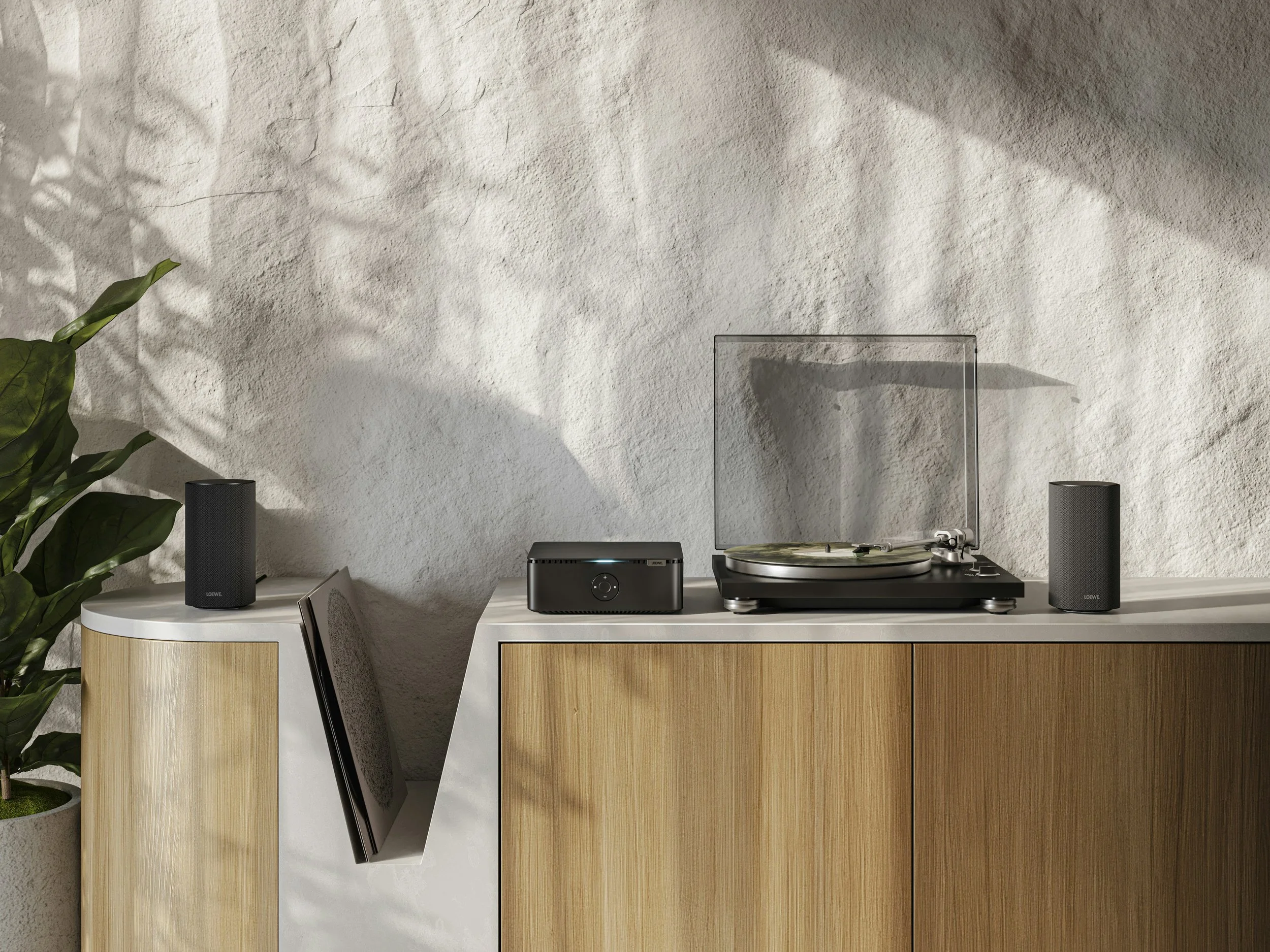
Create therapeutic soundscapes and listen to your personalized music playlists, a very powerful tool to regulate emotions, improve mood and mental health. Place a speaker in your kitchen, so you can enjoy music when preparing food, and one in your living room, so you can read a book, or Dayhouse Living and other magazines, while enjoying the ambient sounds of your favorite tunes.
You are likely familiar with such terms as music therapy and music medicine. While research studies show that listening to music reduces stress and symptoms of depression, anxiety and PTSD, many people are not aware that listening to music can also reduce pain [11]. Interested in learning more about music as medicine? Explore the books: “Healing at the Speed of Sound” by Don Cambell and Alex Doman, and “This is Your Brain on Music” by Daniel Levitin.
music
Mindfulness Meditation and Breathing Exercises
Relax your mind and body. Where is your quiet spot at home where you can rest and restore the nervous system? Do you have a wellness corner where you can practice the most affordable self-care practices such as mindfulness meditation and breathing exercises?
The mental health benefits of meditation and breathing exercises include stress reduction, decreased anxiety and depression, and lower systemic inflammation. To receive these benefits, there is no need to be an expert in meditation or diaphragmatic breathing. For example, a research study showed that daily 5-minute cyclic sighing improved mood and reduced anxiety. In addition, there are plenty of mobile apps that aid meditation and breathing techniques.
yoga
Practice yoga at home and in your neighborhood yoga studio. Find your wellness spot at home, where you can place your yoga mat and relax your mind. A long list of the health benefits of yoga practice include its positive effects on mental health, such as stress relief and reduction of depressive, anxiety and PTSD symptoms [12]. The American College of Physicians recommends yoga as the first-line therapy for chronic low back pain. In addition, research shows that yoga practice can reduce migraine headaches and symptoms of arthritis, fibromyalgia and Parkinson’s disease.


Physical Activity
Enjoy indoor and outdoor physical activities. Do you have fitness equipment at home? Do you go to a local gym or play team sports with your friends? Walking, running, swimming, weightlifting are just a few examples of physical exercises that have powerful medicinal properties when it comes to mental health.
social connections
Meet with your friends. Do you have a favorite place at home where you can sit and chat with your friends or family members? A systematic review study showed that social support and loneliness have opposite therapeutic effects for people with depression, one can improve outcomes and one can worsen [13].
nutrition and supplements
Eat healthy. There is no substitute for regular, healthy and nutritious meals - it’s a habit that significantly impacts mental well-being. For example, research shows that eating more fruits and vegetables is associated with less stress, anxiety and depressive symptoms. Intake of dietary micronutrients, like vitamins and minerals, can decrease or increase a risk for depression. Many plant-based polyphenols, like flavonoids, improve brain functions and reduce neuroinflammation that can cause depression.
It is well-known that the Mediterranean diet is associated with less depressive symptoms, whereas western-style diets can increase depressive symptoms. Research points to connections between the gut microbiota and mental health, so taking probiotics and prebiotics can have protective effects against anxiety and depression. Did you know that drinking specific teas can also help with mental illness? Green tea and its components, such as theanine, can reduce anxiety while chamomile tea can reduce depression. The use of supplements such as St. John’s Wort to reduce depression should always be consulted with your healthcare professional [14].
What design elements in your kitchen remind you to make healthy choices when it comes to eating?


practice gratitude
Write a thank you note. Expressing gratitude is another example of the most affordable self-care practices that were shown to reduce symptoms of anxiety and depression.

Get A Pet
Learn more from an article on pets in this issue of Dayhouse Living - link here
As you see from these examples, by combining biophilic elements and self-care practices, you can create therapeutic environments tailored to the needs of individuals dealing with depression, anxiety and other mental health conditions.
We recognize that managing mental health is a deeply personal and often difficult journey. It's important to give yourself grace and acknowledge that seeking comfort in your home environment is not just acceptable—it's necessary. By embracing biophilic design and self-care practices, you're taking meaningful steps toward nurturing your mind, body, and spirit, and preventing mental illness. You deserve a space that not only reflects who you are but also supports you in who you're becoming.
I hope that these “biophilic and self-care” examples can ignite more appreciation and curiosity on how much our home environments and our daily activities can improve mental health, reduce depression, anxiety, chronic stress etc. This is also a perfect time to remind ourselves that “Knowledge is a treasure, but practice is the key to it.” (L.Tzu).
It's important to acknowledge that depression and anxiety touch the lives of many—whether directly or through loved ones. The broader impact of these mental health challenges is profound and, despite the best efforts of the medical community, prescription drugs and behavioral therapies alone have often fallen short in providing complete relief. Even when reaching remission in depression or anxiety, what can we do to prevent relapses when facing daily doses of stress? This makes it essential to explore and embrace all modalities for support and healing, including biophilic design and self-care strategies, as a means to more effective therapies and prevention.
Biophilic design offers a powerful, evidence-based approach to creating home environments that do more than just shelter us; they actively contribute to our mental well-being. By integrating natural elements, dynamic lighting, soothing sounds, aromatherapy and dedicated spaces for mindfulness and physical activity, we can transform our homes into multisensory sanctuaries of restoration and thriving. These strategies, when coupled with intentional self-care practices, offer a holistic way to address the pervasive stress and emotional challenges so many of us face.
Now, more than ever, it’s crucial to consider how our living spaces can support our mental health. I encourage you to take the principles of biophilic design to heart and begin incorporating them into your own home. By doing so, you're not just enhancing the aesthetic of your space; you're fostering an environment that nurtures your body, calms your mind, and supports your journey toward better mental health. The opportunity to create a home that truly heals is within your reach—embrace it and let your living space become a cornerstone of your well-being.
Reflecting on that birthday party from decades ago, I now see how profoundly spaces can influence not only our emotions and moods, but also our overall well-being. What began as a childhood encounter with awe-inspiring architecture grew into a lifelong appreciation for the power of intentional design. The impact of biophilic design goes beyond simply crafting beautiful spaces. It works hand-in-hand with self-care practices to create environments that are truly healing. By incorporating elements that encourage mindfulness, relaxation, and physical activities—whether it's through soothing light, natural textures, or areas dedicated to self-care rituals—biophilic design becomes a non-pharmacological solution for improving both mental and physical health. This intentional blending of nature and wellness is not just transformative, it’s essential for living in a way that truly nurtures the body, mind, and soul. In nature, we dwell well.
References
[1] Fekadu et al (2009) J Affect Disord, doi: 10.1016/j.jad.2008.10.014
[2] Kellert at al (2011) Biophilic design: the theory, science and practice of bringing buildings to life. John Wiley & Sons
[3] Huntsman & Bulaj (2022) Int J Env Res Publ Health, doi.org/10.3390/ijerph19042248
[4] Hung & Chang (2021) Journal of People, Plants, and Environment doi.org/10.11628/ksppe.2021.24.1.1
[5] Al Khatib et al (2024) Front Built Environ, 10:1467692. doi: 10.3389/fbuil.2024.1467692
[6] Lorig et al (2020) Living a healthy life with chronic conditions: Self-management skills for heart disease, arthritis, diabetes, depression, asthma, bronchitis, emphysema and other physical and mental health conditions. Bull Publishing
[7] Han et al (2022) Int J Env Res Publ Health, doi.org/10.3390/ijerph19127454
[8] Guidolin et al (2024) HERD: Health Environments Research and Design Journal, doi.org/10.1177/19375867231221559
[9] Makram et al (2024) Int J Environ Res Publ Health, doi.org/10.3390/ijerph21020168
[10] Yeon et al (2021) Int J Environ Res Publ Health, doi.org/10.3390/ijerph182312685
[11] Bulaj et al (2021) Front Pharmacol, doi 10.3389/fphar.2021.612602
[12] Park et al (2021) Psychiatry International doi.org/10.3390/psychiatryint2040030
[13] Wang et al (2018) BMC Psychiatry, doi.org/10.1186/s12888-018-1736-5
[14] Nicolussi et al (2019) British J Pharmacol, doi.org/10.1111/bph.14936
*Names have been changed for privacy.
SOURCES / Further reading
Healthy Dwelling (MDPI 19/4/2248)
Therapeutic Home Environment (MDPI 14/9/1123)
Dayhouse Studio · Salt Lake City, UT

Related Articles
Casa Tate: A Biophilic Sanctuary
ZZ top with Mental Health in Mind

Top Mental Health Retreats