
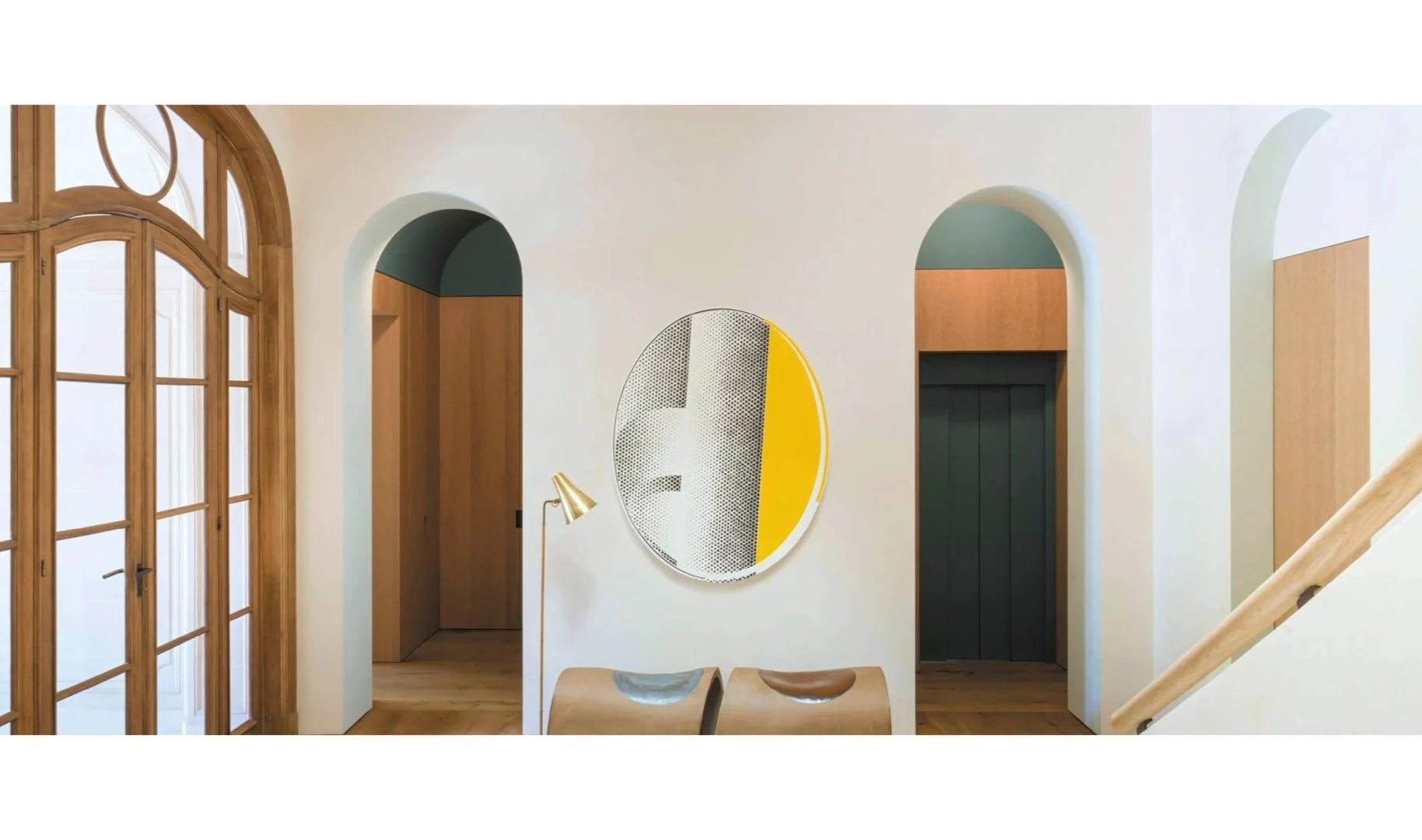

Spotlight on the Trauma-Informed Design Society
Pierre-Yovanovitch Design
Spotlight on the Trauma-Informed Design Society is a Dayhouse Living Issue 2 article from Dayhouse Studio on the Trauma-Informed Design Society and safer restorative spaces. Complementary to medical care, not a substitute. Based in Salt Lake City, we share science-backed ideas for restorative living.
Have you ever heard the term “trauma-informed care”, “trauma-informed design”, or “adverse childhood experiences”? Can we design homes, schools and workplaces that are friendly to those who have experienced trauma?
According to the American Psychological Association, “Trauma is an emotional response to a terrible event like an accident, crime, natural disaster, physical or emotional abuse, neglect, experiencing or witnessing violence, death of a loved one, war, and more.” Trauma is also defined by the Substance Abuse and Mental Health Services Administration as “an event or circumstance resulting in physical harm, emotional harm, and/or life-threatening harm” with “lasting adverse effects on the individual’s functioning and mental, physical, social, emotional, or spiritual well-being.”
While many may not realize trauma’s pervasiveness, in the United States, 2013 data in the Journal of Trauma Stress showed that 90 percent of adults reported exposure to at least one traumatic event, with women reporting higher rates than men, including in the categories of direct interpersonal violence, sexual assault, and physical assault.
The ubiquity of trauma and its lasting impacts makes it important for interior designers, architects, construction businesses, city planners, school administrators, and CEOs of companies to support people who live with trauma. How? The Trauma-Informed Design Society has the answers.

Design: Henkin-Shavit Studio Photography: Filippo Poli
Welcome to the Trauma-Informed Design Society!
The Trauma-Informed Design Society is a team of researchers and practitioners that aim “to help organizations implement a trauma-informed approach in their services and create stress-reducing physical spaces.”
According to their website, “Trauma-informed design (TiD) is about integrating the principles of trauma-informed care… The goal is to create physical spaces that promote safety, well-being, and healing. This requires realizing how the physical environment affects identity, worth, and dignity, and how it promotes empowerment.”

Pierre Yovanovitch
This organization demonstrates how to build spaces that reduce stress and promote healing through trauma-informed design guides and presentations including posters, videos, and podcasts. They detail everything from “How childhood trauma affects health across a lifetime” to “The Impact of Trauma-informed Design on Education” and more.
Janet Roche, Christine Cowart, and Dr. J. Davis Harte are co-founders of Trauma-Informed Design Society. Asked about their passion to help people with trauma, Roche responded, “many people don’t understand what trauma is and how it impacts their lives every day. By designing spaces with trauma in mind, we can help alleviate the daily symptoms trauma causes and help people heal.” Roche is an inclusive designer who also teaches the next-generation of designers about biophilic spaces for health and wellness at the Boston Architectural College (BAC).

Pierre Yovanovitch
Christine Cowart has a deep understanding of trauma through her work in human services, child welfare and the criminal legal system. “Buildings like prisons, homeless shelters, and schools that use trauma-informed design could help their inhabitants, many of whom have experienced extreme trauma. For example, after the Maine Correctional Center, a maximum-security correctional facility, incorporated elements of trauma-informed design in their spaces such as calming, restorative, biophilic features, infractions, violations of rules while incarcerated, of individuals decreased.” Cowart is certified as a trauma professional by Florida State University and the International Association of Trauma Professionals.

Lubrano Ciavarra Architects
The TiD Society’s projects include shelters for youth, child abuse-intervention center, correctional facilities, and supportive housing. They’ve been widely recognized by national media outlets like Psychology Today, Arch Daily, Bloomberg and other magazines.
With another back-to-school season, how can we evaluate whether a school’s environment is friendly for children who experienced trauma? Here comes a “Trauma-Informed Design Evaluation Tool for K-12 Schools” available via the TiD Society’s website. This printable guide can help school administrators, teachers, and even parents, to evaluate physical spaces within a school that foster safety, accessibility, inclusion, wayfinding, visibility, lighting, acoustics, movement/play, community, and… of course biophilic features. It is noteworthy that biophilic design creates so-called restorative spaces that support healing through rebalancing the autonomic nervous system. Also keep an eye out for their framework on trauma-informed design, which will be available for purchase on their website before the end of the year.
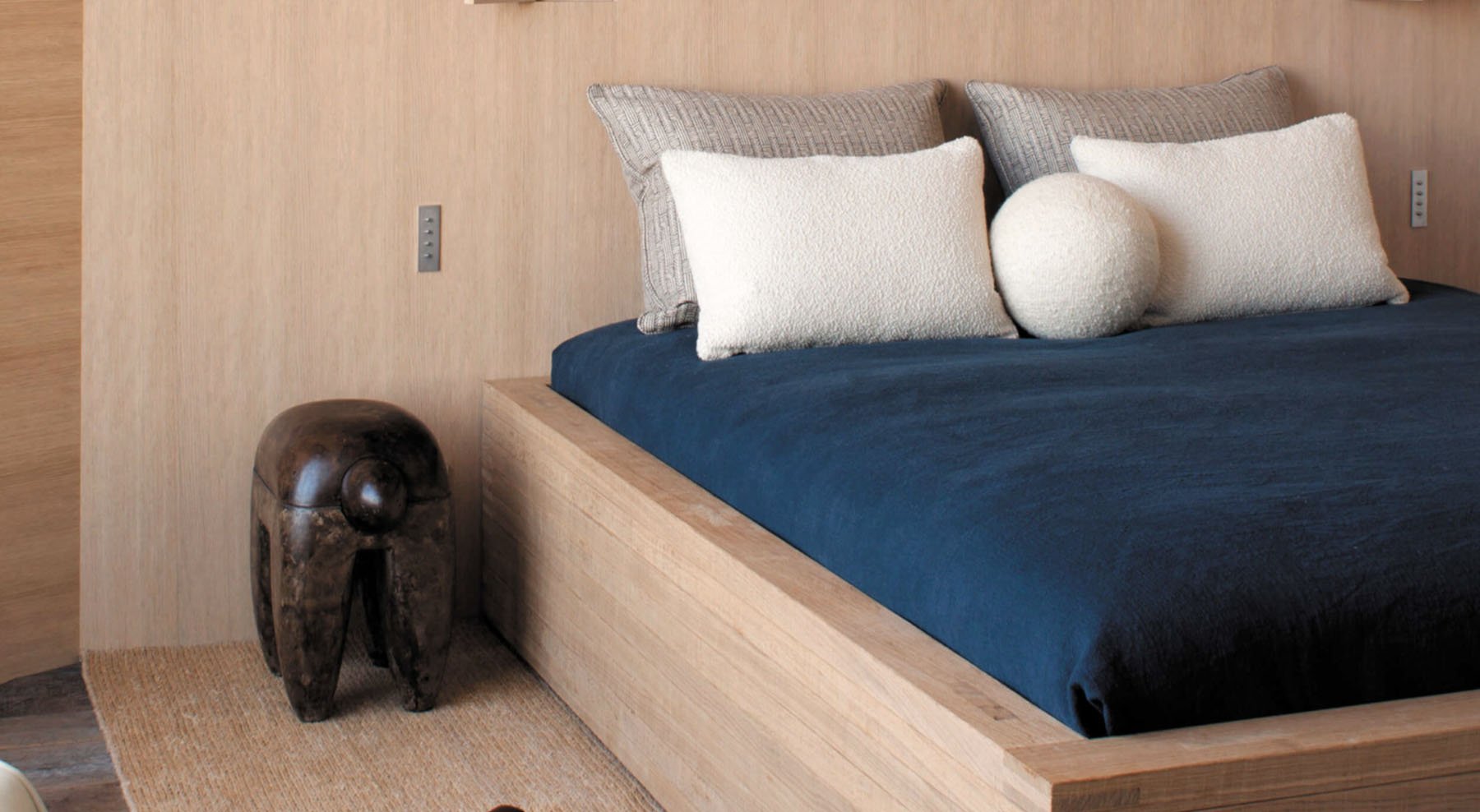
Pierre Yovanovitch

Pierre Yovanovitch
We invite you to join the movement toward designing for health by visiting the Trauma-Informed Design Society website and sharing awareness about their services with anyone who might be interested in this powerful way to create safe and relaxing spaces to heal.

Pierre Yovanovitch


Design: Henkin-Shavit Studio Photography: Filippo Poli
Pierre Yovanovitch

Geremia Design

Lubrano Ciavarra Architects
Resources
Kilpatrick, D. G., Resnick, H. S., Milanak, M. E., Miller, M. W., Keyes, K. M., & Friedman, M. J. (2013). National estimates of exposure to traumatic events and PTSD prevalence using DSM-IV and DSM-5 criteria. Journal of Trauma Stress, 26(5), 537-547. https://doi.org/10.1002/jts.21848
The Trauma-informed Design Society: https://www.traumainformeddesign.org/
SOURCES / Further reading
Healthy Dwelling (MDPI 19/4/2248)
Therapeutic Home Environment (MDPI 14/9/1123)
Dayhouse Studio · Salt Lake City, UT

Related Articles
Casa Tate: A Biophilic Sanctuary
ZZ top with Mental Health in Mind

Top Mental Health Retreats