
Healing by Design: The Power of Biophilic Spaces
Healing by Design: The Power of Biophilic Spaces is a Dayhouse Living Issue 1 article from Dayhouse Studio on how biophilic interiors support wellbeing room by room — entryway through bedroom. Complementary to medical care, not a substitute. Based in Salt Lake City, we share science-backed ideas for restorative dwellings.
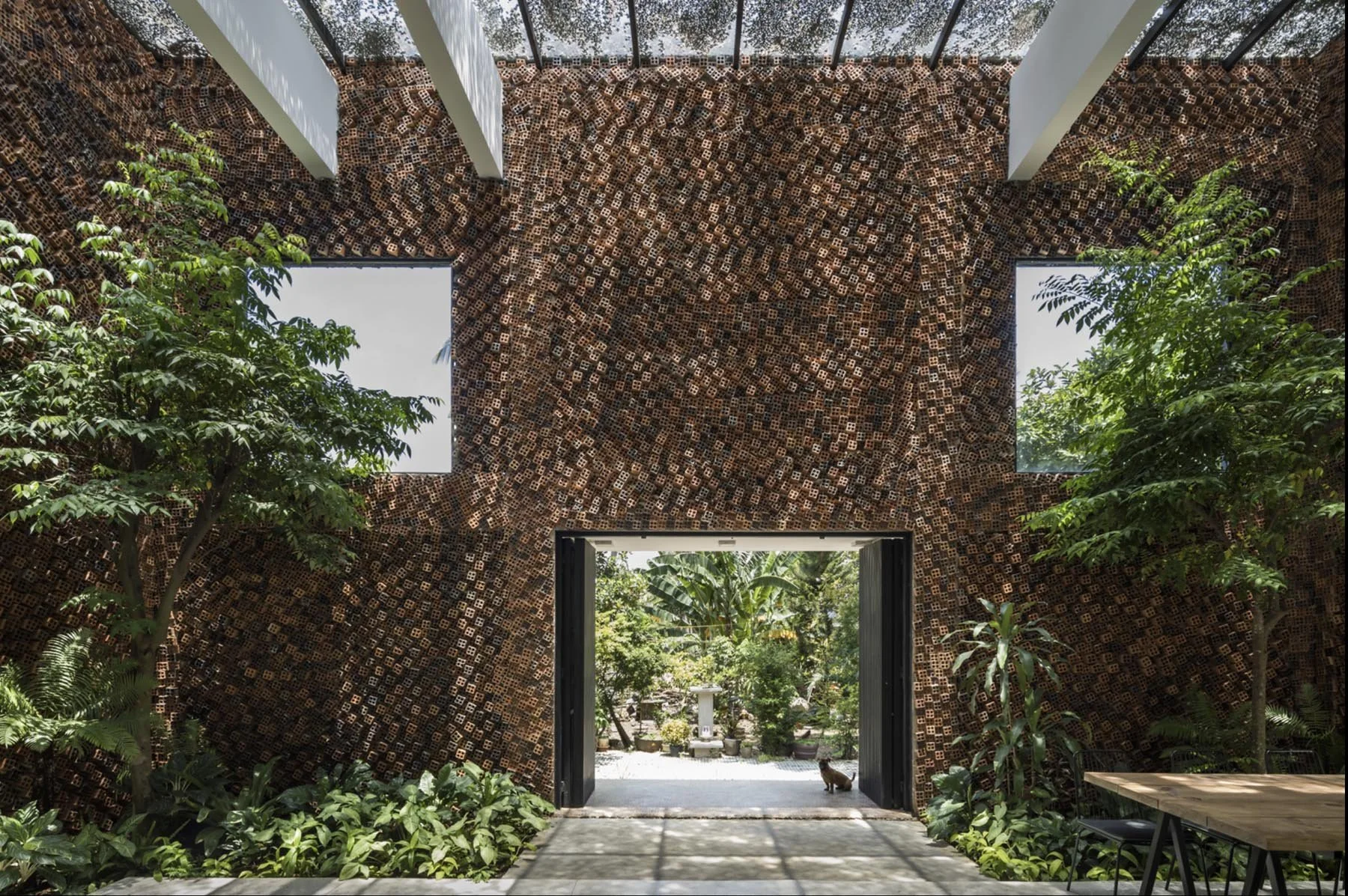
Architecture: Creative Architects Construction: Viet Tin Phuc Company Limited Photography: Hiroyuki Oki
"Study nature, love nature, stay close to nature. It will never fail you."
-Frank Lloyd Wright

Architecture: Creative Architects Construction: Viet Tin Phuc Company Limited Photography: Hiroyuki Oki
Frank Lloyd Wright's principles have long echoed through the halls of modern architecture, urging a harmonious integration of human habitats with the natural world. Today, these ideas have blossomed into what we now recognize as biophilic design.
Welcome to the world of biophilic design, a philosophy and a science that integrates nature with interior architecture to enhance your health and well-being. This approach isn't just about adding a plant or two— it’s about creating environments that actively support health. This approach isn't exclusively tailored for general health and well-being; rather, it can be refined to specifically target chronic conditions, offering potential benefits for issues such as migraine, chronic pain, depression and beyond.
Imagine if your home could do more than just provide shelter—if it could nurture your well-being, improve your health, and subtly remind you that the outdoors exists even as you binge-watch your favorite Netflix series. This is the essence of biophilic design: creating spaces that nurture well-being by fostering a deep connection with the natural world.
Did you know the average person in the US spends around 90% of their time indoors? In an era where health often takes a backseat to both form and function in interior design, it's crucial to rethink how interior design can shift from prioritizing function to prioritizing health, turning our homes into living, breathing, healing spaces.
My journey into biophilic design began when my own health mysteriously declined after moving into a seemingly charming but deteriorating house. The culprit? Hidden mold that sent my body into a downward spiral. This wake-up call led me to not only revamp my living space but to rethink how environments can heal us, rather than harm us. Alongside Dr. Grzegorz (Greg) Bulaj, my partner in life and business, we delved into how integrating natural elements such as sustainable wood, moss art, and other green and biophilic features into our home could radically improve my debilitating health condition.
In Chapters 1 and 2, we'll explore how biophilic design can do more than just beautify spaces—it can transform them into healing environments. Drawing insights from our peer-reviewed article "Healthy Dwelling: Design of Biophilic Interior Environments Fostering Self-Care Practices for People Living with Migraines, Chronic Pain, and Depression" [1], we’ll show you how these principles are not only theoretically sound but practically transformative.
Chapter 3, written for the next issue, will focus on strategies for chronic disorders, integrating biophilic design with self-care practices to target and alleviate specific medical conditions, providing you with actionable ideas to implement in your own living spaces.
Applying Biophilic Design to Different Home Spaces
Chapter 1: The Power of Biophilic Design
"Biophilia is the humbling recognition that humans are not separate
from nature, but deeply intertwined with it."
-Stephen R. Kellert
Why Biophilic Design Matters
The relevance of biophilic design is backed by increasing research that links our environments with health outcomes. For example, studies have found that spaces that incorporate nature inspired elements can help reduce stress, blood pressure levels, and heart rate, while increasing feelings of happiness, emotional well-being and cognitive function [2, 3]. This is particularly crucial for those managing chronic conditions such as migraines, chronic pain, and depression, which are among the leading causes of disability worldwide. Patients often report improved symptoms when their living environments are adjusted to include such things as natural light, plant and floral life, soundscapes, and strategically placed natural materials [4].
Biophilic Design in Practice
Biophilic design can be applied through both direct and indirect strategies. Direct application involves the presence of actual natural elements within the environment—this could be light, water, plants, and natural landscape features. Indirect application refers to using materials, colors, and patterns that evoke nature but do not directly involve natural elements. For example, using green hues, wood textures, or images of nature.
This holistic approach isn't just about placing a few potted plants around your home; it involves thoughtful integration of natural elements into design decisions to foster a sustainable and health-promoting environment. By designing our spaces to connect more deeply with the natural world, we're not just improving aesthetics—we're investing in our health and psychological well-being.
Expanding the Scope of Biophilic Design
While this article focuses on home interiors, it’s worth noting that biophilic design is just as effective in other settings, such as hospitals, offices and schools. In healthcare facilities, for example, it has been shown to aid in patient recovery, reduce stress and increase positive emotions [4]. Workplaces designed with biophilic elements report higher levels of employee satisfaction and productivity [5].
As we continue to understand the profound effects our environments have on our health and well-being, biophilic design stands out not just as a style choice, but as a necessity for building spaces that nurture and heal.
Chapter 2: Transforming Spaces into Sanctuaries
Consider a home as a system where every room plays a vital role. Each room supports its occupant uniquely, leading to a cumulative impact when treated accordingly.

Image credit: Galina Coada

Entering a home should feel like a transition from the chaos of the outside world to a calming oasis inside. In my own healing journey, transforming the entryway was about creating that immediate sense of relief and welcome. The biophilic elements in this space gently prompt the release of daily stress and help redirect focus toward family life. To infuse biophilic design into the entryway, consider engaging all your senses.
Key Biophilic Elements:
Sight:
A living green wall purifies the air and provides a visual connection to nature and stress relief.
Sustainable wood flooring adds warmth and can decrease blood pressure.
Nature-based artwork, potted plants, and natural color palettes promote relaxation and positive emotions.
Smell:
Essential oils like lavender immediately calm the nervous system, reducing stress and anxiety as soon as you enter.
Sound and Touch:
A water feature introduces soothing sounds.
Wooden or textured materials on door handles provide a tactile connection to nature which can activate the parasympathetic nervous system (rest and digest) [6].
These biophilic features establish a serene and inviting ambiance that promotes relaxation for all who step into the home, especially individuals susceptible to anxiety or depression.
The Entryway: First Impressions and Stress Relief

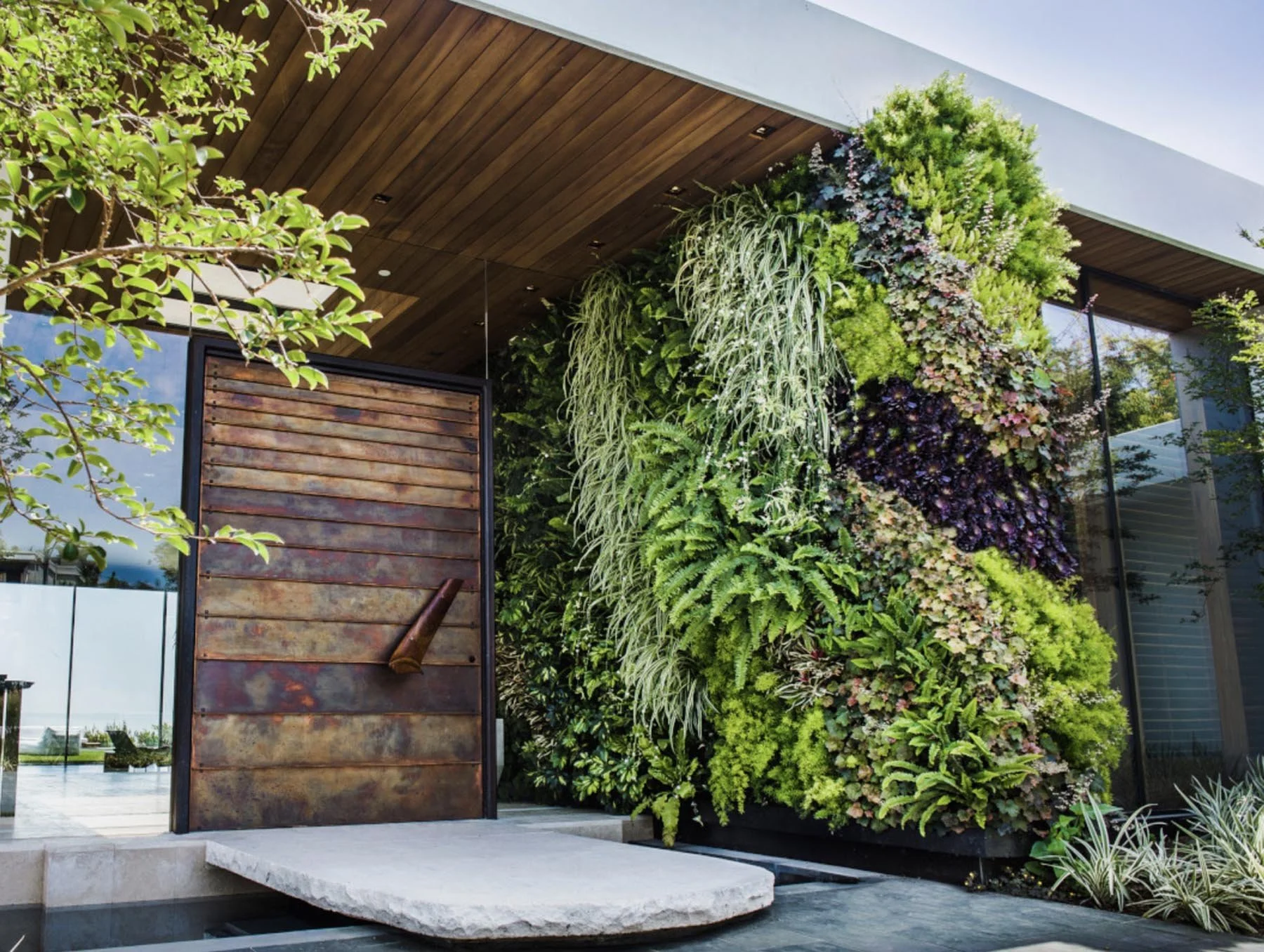
Seasons Landscaping Photography: Brian Lang

Seasons Landscaping Photography: Brian Lang
Seasons Landscaping Photography: Brian Lang
Tailoring to Personal Preferences:
Customize your entryway based on usage, health and wellness goals. For instance, in an office setting, use citrus essential oils, dappled light effects, or fractal-patterned wallpaper to stimulate the senses more vibrantly.

Mary Patton Design

MDF Development
The Living Room: Social Interactions and Relaxation
The living room is a versatile space where life happens, whether it's family and friend's gatherings, deep conversations, or quiet contemplation. It's an ideal setting to harness the benefits of biophilic design.
Key Biophilic Elements:
Natural Light and Views: Ample natural light streaming in through large windows uplifts the mood and creates a seamless connection to the outdoors.
Eco-Friendly Furniture: Choosing furniture made from sustainable wood or recycled metals reduces the environmental footprint and minimizes harmful VOCs (volatile organic compounds) for a healthier indoor environment.
Indoor Plants: More than just decoration, plants play a vital role in enhancing air quality, mood, cognition and cardiovascular health [7].
Natural Textures and Lighting: Adding natural textures and dynamic lighting, tailored to the time of day, fosters a balance between energy and relaxation.
Furniture placement: Thoughtfully arranging seating to encourage easy conversation and social interaction can significantly contribute to mental well-being, thereby establishing the living room as a focal point for relaxation and connection - so important in the context of the loneliness epidemic.
In essence, the living room represents a hub where health-focused design principles can synergistically support holistic well-being for both residents and visitors alike.

Habachy Designs
dayhousestudio
The Kitchen: Nourishment and Family Bonding
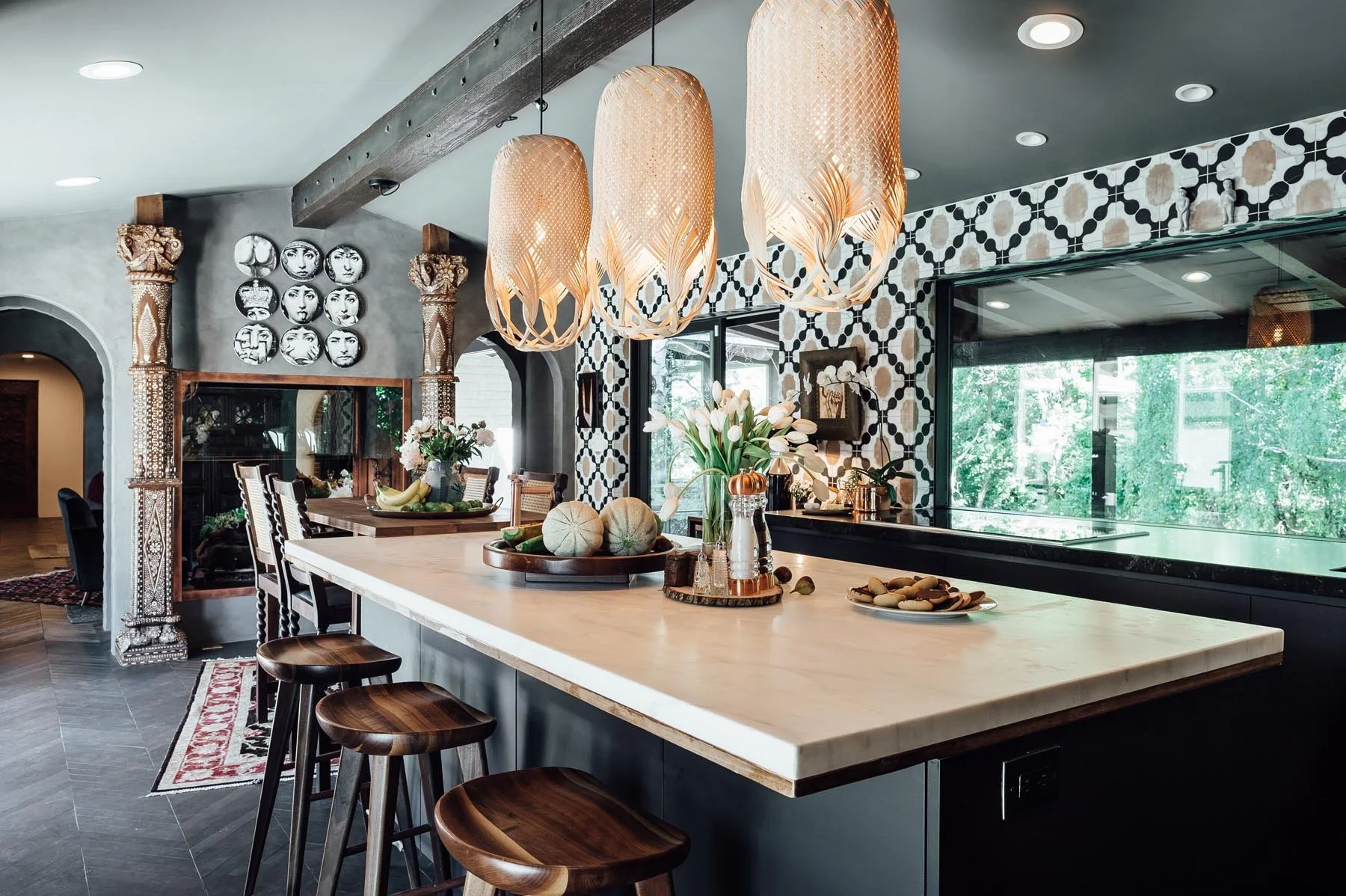
The kitchen is the heart of the home, blending nutrition with social support while fostering a setting perfect for relaxed conversations during meal prep or enjoying a cup of tea, coffee, or wine with family and friends. The confluence of nutrition, social connections, and biophilic principles can nurture both mental and metabolic health as well as immune functions.
Biophilic design in the kitchen involves using materials that are not only sustainable but also promote a healthy lifestyle. As with the entryway, utilizing the senses can guide you toward a biophilic space.
Key Biophilic Elements:
Natural Materials:
Countertops, cabinets, and floors made from sustainable wood, stone, bamboo, or cork promote a healthy lifestyle.
Touching natural materials, like wooden cabinets or counters, has been shown to increase physiological relaxation [6].
Indoor Herb Garden:
A multi-sensory herb garden improves air quality and offers a green, lush aesthetic, making meal prep therapeutic by engaging visual and olfactory senses.
Organic Forms and Natural Colors:
Rounded or irregularly shaped cutting boards, light fixtures, and accessories, as well as natural colors, create visual appeal and are calming to the nervous system.
In the kitchen, each meal preparation becomes a therapeutic ritual that supports metabolic health and mental well-being.
-
![kitchen with natural materials, two gold pendant lights and back brick wall]()
MDF Development
-
![Kitchen with busy marble counter and backsplash and large globe pendant lightng]()
Monica Fried Design Photography: Nicole Franzen
-
![kitchen designed with marble island, green tile backsplash, and light wood cabinets]()
Sagrada Studio
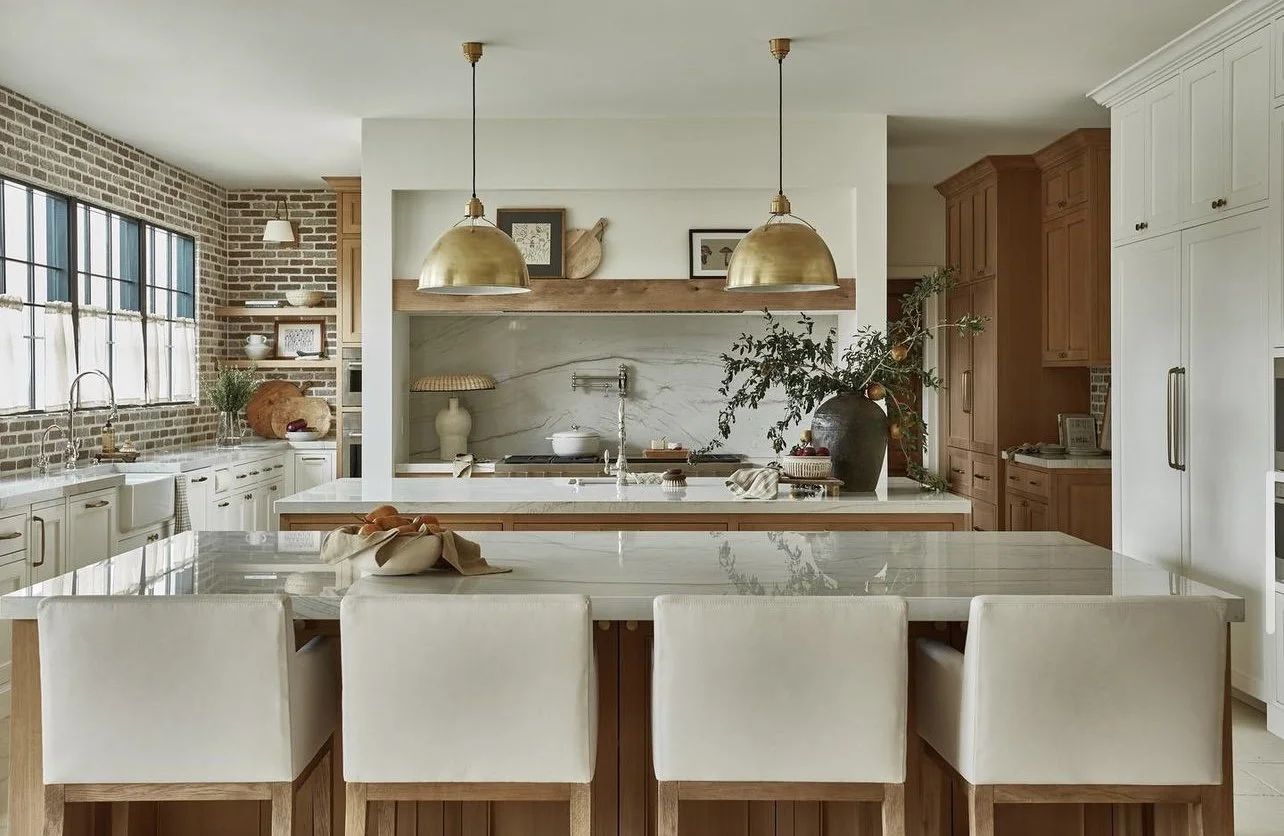

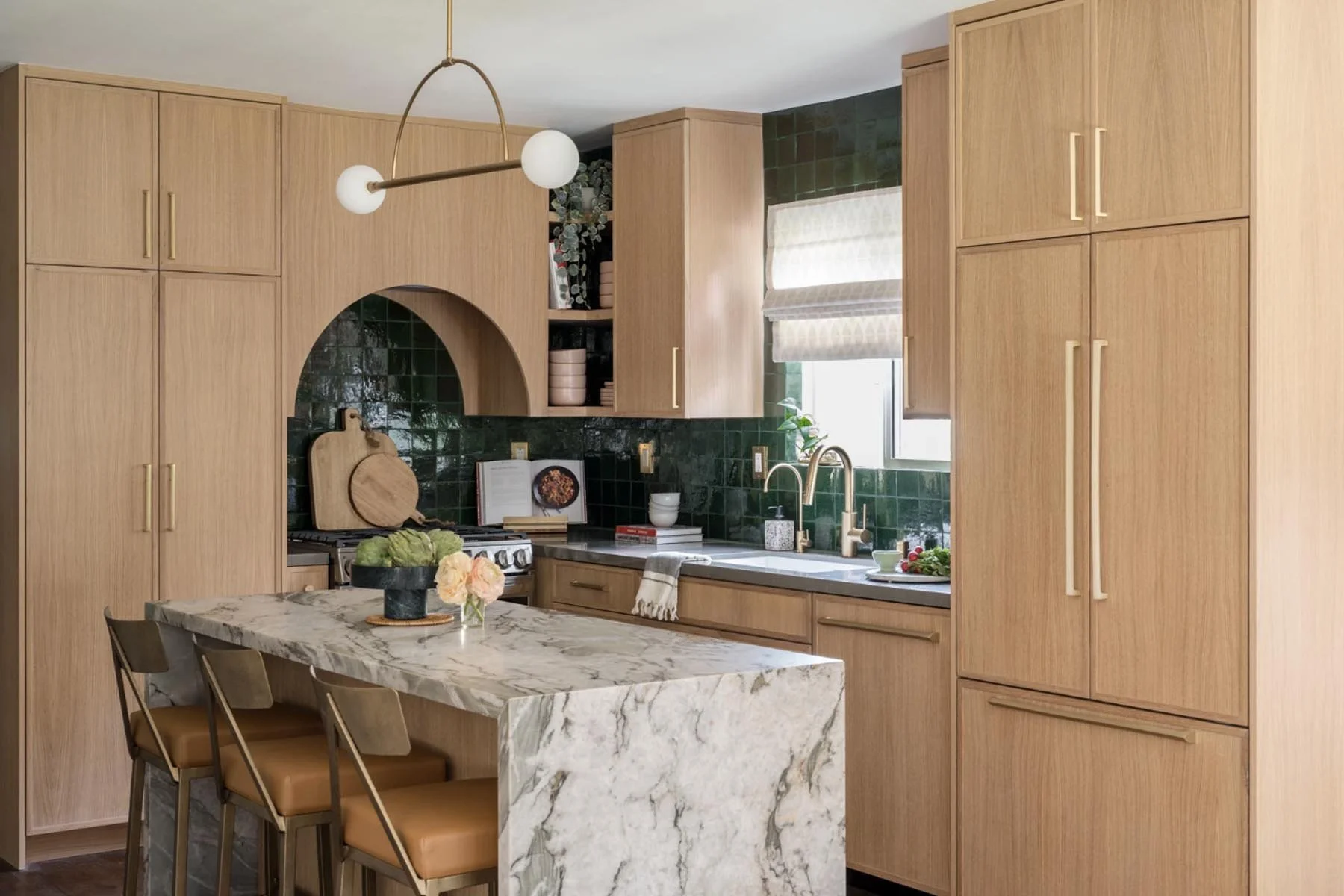

Jennifer Robin Interiors Photography: John Merkl
Key Biophilic Elements:
Natural Materials:
Wood, stone, and aged metals add biophilic benefits and are easy to clean.
Lighting:
Automated lighting that enhances serotonin release in the morning and melatonin at night supports a natural circadian rhythm.
Aromatherapy:
Beeswax candles (both non-toxic and burn best) and pure essential oils like lavender aid in stress relief.
Plants that thrive in humidity provide herbal aromas and revitalize the space.
4. Indoor Plants:
Plants that thrive in humidity provide herbal aromas and revitalize the space.
Transforming our bathroom involved more than just aesthetic upgrades—it became a sanctuary for rejuvenation, healing and self-care. Natural stone tiles, biomorphic patterns and wooden accents created a spa-like atmosphere. These changes made daily routines more than just necessities; they became moments of replenishing both body and mind.
The Bathroom: Personal Care and Self-Reflection
Whether a small half-bath or a large primary bathroom, this space can be curated to foster well-being through a focus on hygiene, self-awareness and self-esteem. A well-designed bathroom nurtures self-care and positive self-image, improving both physical and mental health.
To create this space, think about what makes you feel good in your skin with the materials you touch, the lighting around you, the smells you incorporate.

Hoedemaker Pfeiffer Photography: Haris Kenjar

Mary Patton Design
The Dining Room: Communal Eating and Conversations
The dining room can be a powerful space for social interaction and nutrition. As a space to share meals and conversation, creating a room to elevate mental, cardiovascular, metabolic and immune health can again combine the health benefits of social interaction with biophilic design.
Key Biophilic Elements:
Natural Materials:
Wood-based tables or cabinetry: Viewing or touching wood has been shown to calm the brain and increase relaxation by activating the parasympathetic system (also known as rest and digest) [6, 8].
Dynamic Lighting:
Cove lighting in combination with natural light from a window and/or sconce lighting creates a cozy atmosphere that encourages open conversation and improves mental health.
Living Elements:
Fresh flowers and indoor plants improve mood and air quality.
A green living wall or moss wall acts as a natural divider between spaces, reinforcing the connection to nature (among other biophilic benefits) while serving as a stunning visual focal point.
In my healing journey, the redesign of the dining room focused on fostering connections. A sturdy wooden table became the gathering spot, grounding the space with its natural presence. Surrounding this with plants and natural textures enhanced the feeling of dining in nature, making each meal a nourishing experience for body and soul.
-
![Dining room with burnt orange chairs, dark credenza, fun wallpaper, and greenery]()
Bradley Odom Interiors Photography: Jeff Herr
-
![Dining room with plaster walls, concrete table, and nature-inspired artwork]()
Hommeboys Interiors Photography: Adam Potts / Bess Friday
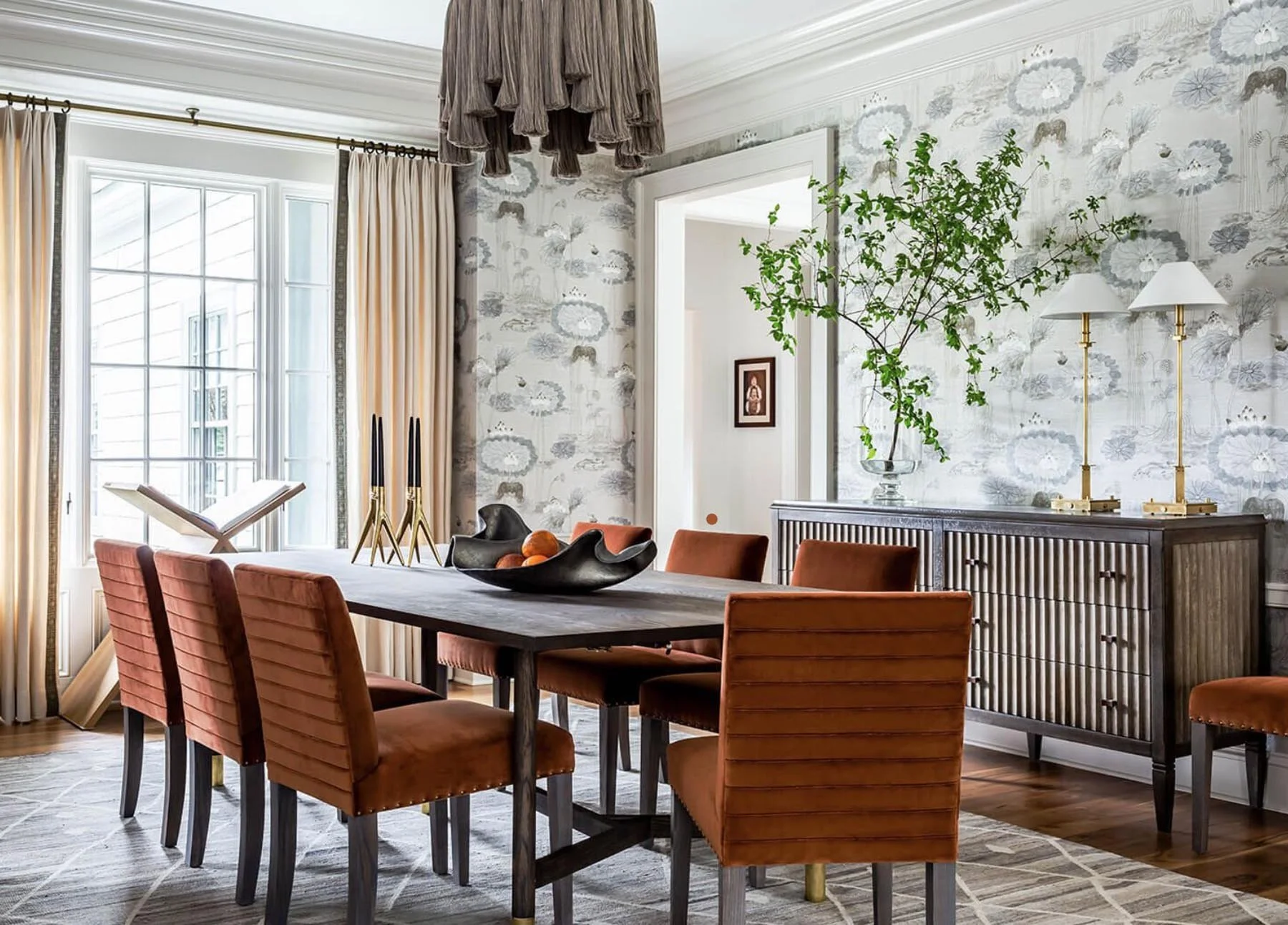


Terri Ricci Interiors Photographer: Joshua Mchugh
The Bedroom: Rest and Rejuvenation
The bedroom is a restorative sanctuary, playing a crucial role in health recovery and rejuvenation. During my healing journey, prioritizing sleep quality was key. This space holds profound importance, as emphasizing quality sleep, relaxation, and enhancing intimacy have been shown to influence mental well-being, cardiovascular health, and immune functions.
Key Biophilic Elements:
Natural Linens and Fabrics:
Opt for natural linens that soothe the skin, calming colors that relax the eyes, and an organic mattress and hypoallergenic bedding to reduce exposure to allergens and harmful substances.
Scents:
Lavender and jasmine scents enhance sleep quality and promote relaxation.
Lighting:
Gentle, mood-enhancing lighting like green LED lights during the day and glimpses of nature through the window can enhance brain function.
Soft lighting that uses cool light to stimulate serotonin release in the morning and warm light to promote melatonin at night further supporting a restorative sleep environment aligned with circadian rhythms.
Blackout Curtains and Insulated Windows:
These shield against noise and light pollution, fostering restful sleep.
Earthy Tones and Natural Views:
Decorate with soft, natural tones and textures that create a serene, tranquil ambiance.
There is a strong connection between quality sleep, cardiovascular health and immune functions underscoring the importance of incorporating natural elements into the bedroom and minimizing exposure to disruptions.
Conclusion: Embracing the Future of Holistic Living through Biophilic Design
As we conclude our brief exploration of biophilic design, it's evident that this approach is more than a trend; it's a fundamental shift toward holistic, health-focused living environments. From a welcoming, green-wall-adorned entryway to the restorative ambiance of a garden view from the bedroom, biophilic design creates spaces that not only look good but are associated with improved wellbeing.
By journeying through each room of the house, we've shown that biophilic design isn't just a beautiful luxury but a helpful support for anyone seeking a better quality of life — complementary to medical care, not a substitute. As you incorporate soothing natural sounds, therapeutic green spaces, and nature-inspired materials into your home, you're transforming your living space into a nurturing haven that promotes healing, reduces stress, and connects you with the natural world.
In Chapter 3, coming out in the next issue, you'll discover how biophilic design can transform your home into a restorative sanctuary tailored to specific health challenges like migraine, chronic pain, depression and others. By incorporating well-appointed lighting, soothing aromatherapy, ergonomic furniture, and strategically placed natural elements, you can craft an environment that alleviates pain, reduces stress and migraine, and uplifts your spirits. Learn from personal experiences and practical strategies that show how every room can support well-being, inviting you to embrace the life-changing power of biophilic design.
Let your home reflect the healing power of nature, and let biophilic design guide you toward a future where every space becomes a sanctuary of health and happiness. []
SOURCES
[1] Int J Environ Res Public Health (2022), doi 10.3390/ijerph19042248
[2] Front Architect Res (2022), doi 10.1016/j.foar.2021.07.006
[3] J People Plants Environ (2021), doi 10.11628/ksppe.2021.24.1.1
[4] Health Environ Res Design J (2022), doi 10.1177/19375867221118675
[5] The Economics of Biophilia (2023), 2nd Edition, Terrapin Bright Green
[6] Int J Environ Res Public Health (2017), doi 10.3390/ijerph14070801
[7] Int J Environ Res Public Health (2022), doi 10.3390/ijerph19127454
[8] Int J Environ Res Public Health (2023), doi 10.3390/ijerph20146351
FOR MORE SOURCES, READ Healthy Dwelling: Design of Biophilic Interior Environments Fostering Self-Care Practices for People Living with Migraines, Chronic Pain, and Depression
Also see Therapeutic Home Environment (MDPI 14/9/1123).
See our Source List for more information on the images and designs in this article.
Dayhouse Studio · Salt Lake City, UT

Related Articles
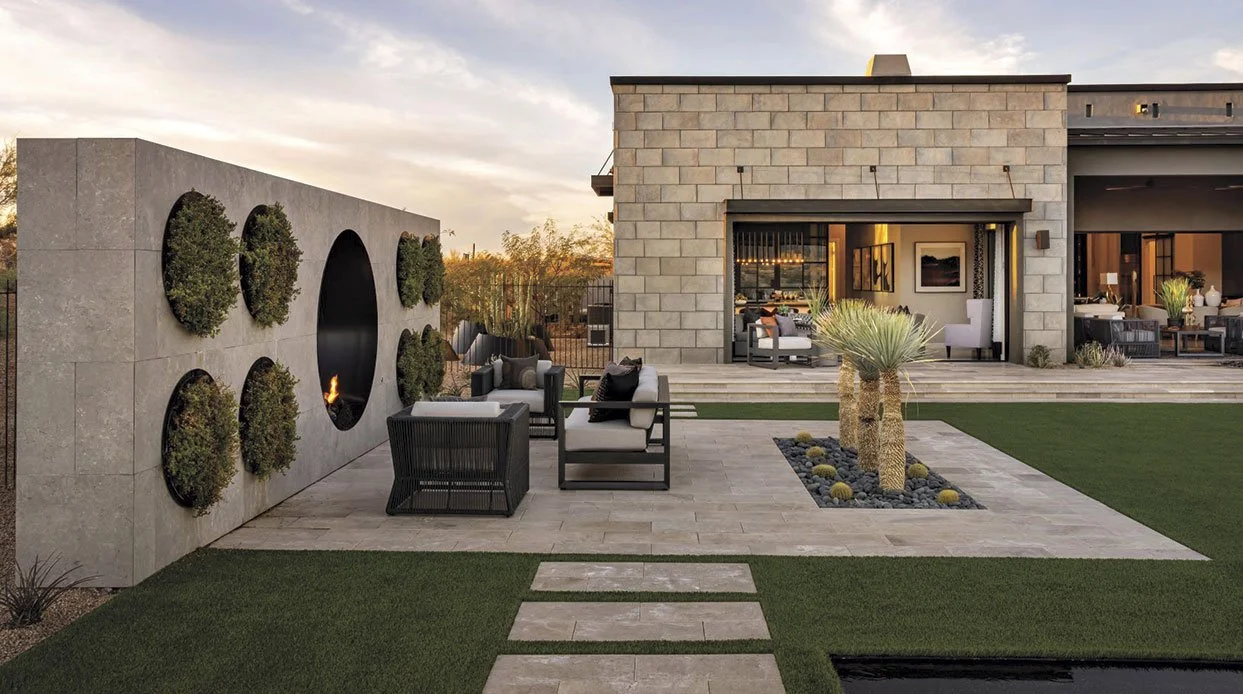
The Trend with Staying Power

L’Appartamento Living Room

Lime Paint’s Environmental Renaissance

Transform Your Home and Health with Biophilic Living – Subscribe for Free!
Are you ready to enhance your well-being and create a beautiful, sustainable living space? Join our community of passionate readers and discover the secrets of biophilic design, health, nature, and sustainability.
Exclusive Access
Get insider tips, expert advice, and the latest trends in biophilic interior design delivered straight to your inbox.
Health and Wellness Insights
Learn how to transform your home into a sanctuary that promotes physical and mental well-being.
Nature-Inspired Design Ideas
Discover creative ways to incorporate natural elements into your home decor for a more harmonious living space.
Sustainability Tips
Find out how to make eco-friendly choices that benefit both your home and the planet.