

Pets as Biophilic Elements: Their Role in Improving Mental Health
ome years ago, I found myself on a remote trail in the Canadian Rocky Mountains, enveloped by towering pines and a persistent anxiety that clung to me like the morning mist. I had planned one of those treks where you hike from hotel to hotel, cutting through remote wilderness between stays. This time, I set out to reach a secluded 30-guest mountain lodge, planning to stay a couple of nights before heading off on an even more remote trail towards the next destination. The day I arrived, I was greeted by a series of unsettling stories—grizzly bear encounters were, apparently, commonplace on the exact trail I planned to take when I left the lodge. Do you remember the even more remote trail in the middle of the Canadian Rockies I spoke of?

Now, I have this childhood memory of a massive, ten-foot-tall, stuffed but very real grizzly bear in an Alaskan mall that left its ferocious mark on me, seared into my brain as possibly the worst kind of death one could have. My grandparents had lived in Alaska, and I learned at a young age that grizzly bears were not to be taken lightly. So, as you can imagine, the thought of hiking through not one, but two grizzly territories filled me with a growing sense of dread. Every story I heard in those two days at the lodge only heightened my anxiety, until by the time I set out on that trail, man was I terrified.
Two hours into the hike, as I crossed into the first known bear territory, my anxiety hit its peak. I could barely breathe. My heart was racing, I was nauseous, sweaty and my legs felt like they were made of lead. I was convinced that I wasn’t going to make it, that I might literally die of fright before I ever saw a bear. Turning back wasn’t an option but going ahead didn’t feel like one either.

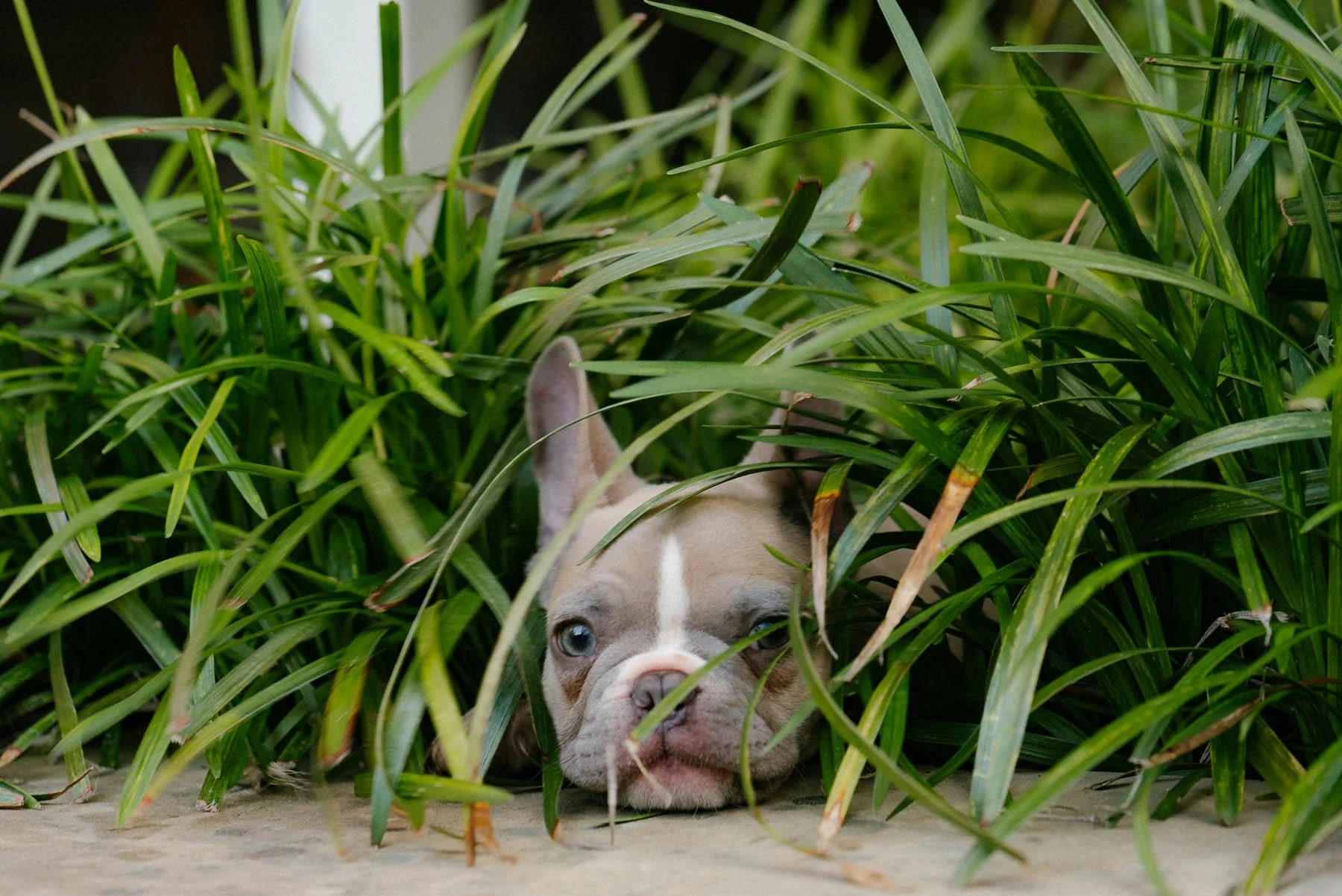
Just when I thought I couldn't go any further, something miraculous happened. Out of nowhere, a dog appeared. I was in the middle of nowhere—no roads, no other hikers in sight—and this dog just appeared and began to calmly walk beside me. And just like that, everything changed.
My breathing steadied, my heart rate slowed, and the suffocating panic lifted. He walked with me for hours, through both bear territories, and I began to feel like I could keep going. It was as though this dog had been sent to protect me, to guide me through when I didn’t think I could make it. By the time we reached the end of the trail, just a few minutes from the road, I heard someone calling out for the dog, and he ran off to reunite with his owner—a fisherman who had spent the day at a nearby lake.

I approached the owner, eager to tell him what his dog had done for me, only to learn that this was completely out of character for his loyal companion. The dog had never taken off like that before, let alone for hours. Somehow, this animal had sensed my distress and stayed with me until I no longer needed him. Even now, nearly two decades later, I can still feel the impact of that day. That dog’s presence was like a lifeline, a grounding force that calmed me when I was consumed with fear.

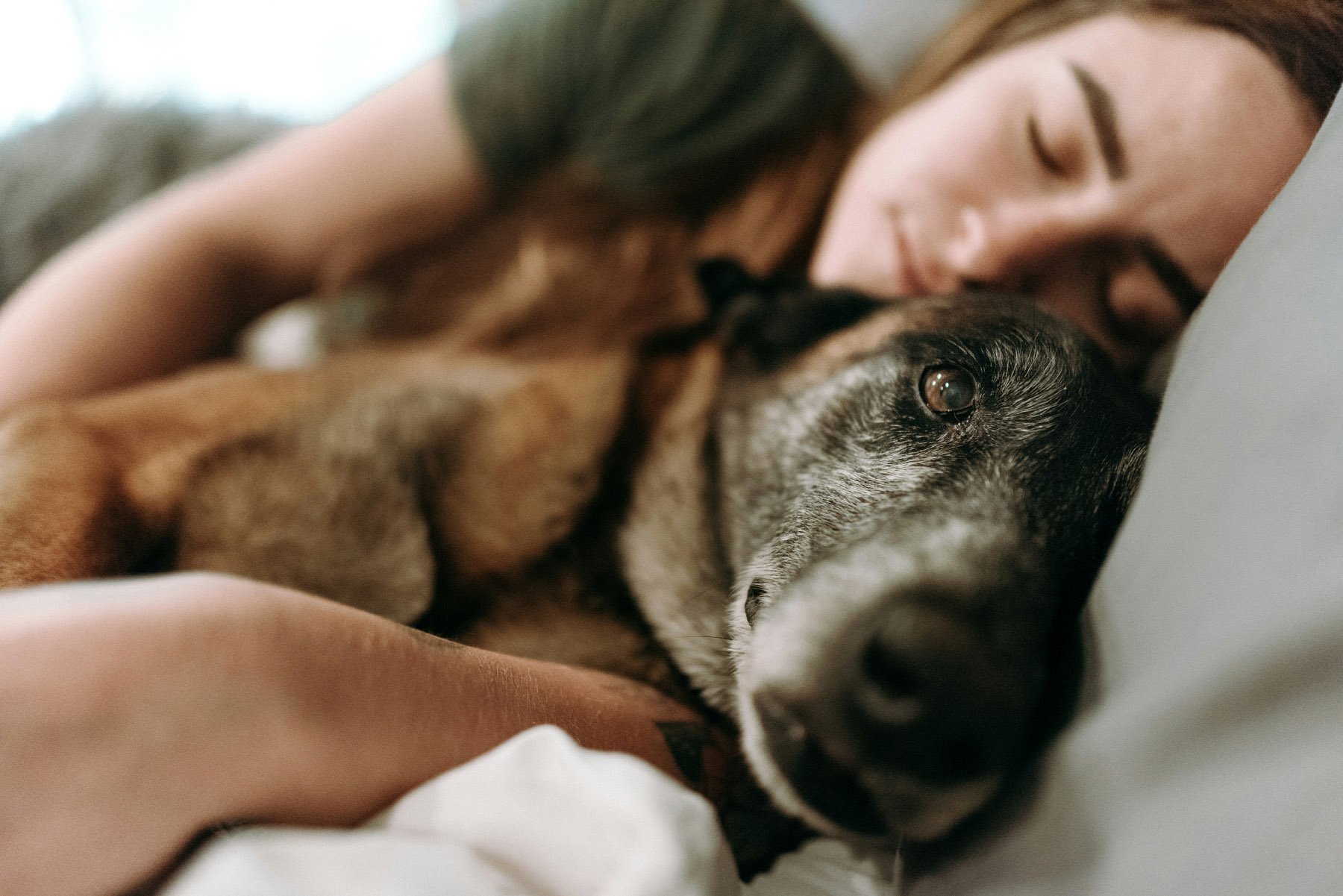
This wasn’t the first time—or the last—that a dog has been a profound comfort to me in a moment of distress. My own dog Phin has sat by my side during my darkest moments, time and time again. Through these experiences, I’ve come to realize just how powerful the presence of animals can be. Animals seem to have an innate ability to calm the human nervous system, to distract the mind from its self-made stress, and to restore a sense of peace.
Pets, in this way, are more than just companions. They’re living biophilic elements—breathing connections to the natural world, with the power to ground us, calm us, and help us find our way forward, even in the most difficult moments.
The Power of Biophilic Design: Pets as Nature-Inspired Interior Elements for Well-being
Biophilia, the innate human connection to nature, is a concept deeply rooted in our evolutionary history. As highlighted in the first issue of Dayhouse Living, biophilic interior design aims to restore this connection by integrating natural elements into our built environments. Among the most powerful biophilic elements are pets, whose presence fosters this essential bond with nature, even within the confines of our homes.
Terrapin Bright Green promotes the direct integration of living elements into indoor environments highlighting the role pets play in reducing stress and fostering emotional well-being. Like indoor plants, water features, or natural lighting, pets offer dynamic, multisensory interactions that help reestablish our bond with nature (1).
To delve deeper into how Terrapin Bright Green's groundbreaking framework is transforming spaces with nature-inspired elements, check out this article on the “14 Patterns of Biophilic Design”.


And let's be honest, pets alone provide quite the multisensory experience—I'm thinking about my dog’s breath (whew!) or those delightful moments when he decides to roll around in something truly pungent on a hike. Yet somehow, even with the eau de "adventure," they help ground us, providing a living connection to the natural world. These natural elements, particularly animals, help create meaningful, calming experiences within indoor spaces, tapping into the core principles of biophilic design.
Animals as Biophilic Elements: Case Studies and Scientific Support
Yes, there’s more than just instinct or anecdotal evidence such as my story that validates pets as biophilic elements; solid research supports their role in enhancing human well-being by nurturing that profound connection to nature. The biophilia hypothesis, often cited in biophilic design, suggests that humans have an inherent affinity for nature. This includes animals as key components of natural environments that contribute to stress reduction, mood enhancement, emotional health and overall psychological well-being (2).
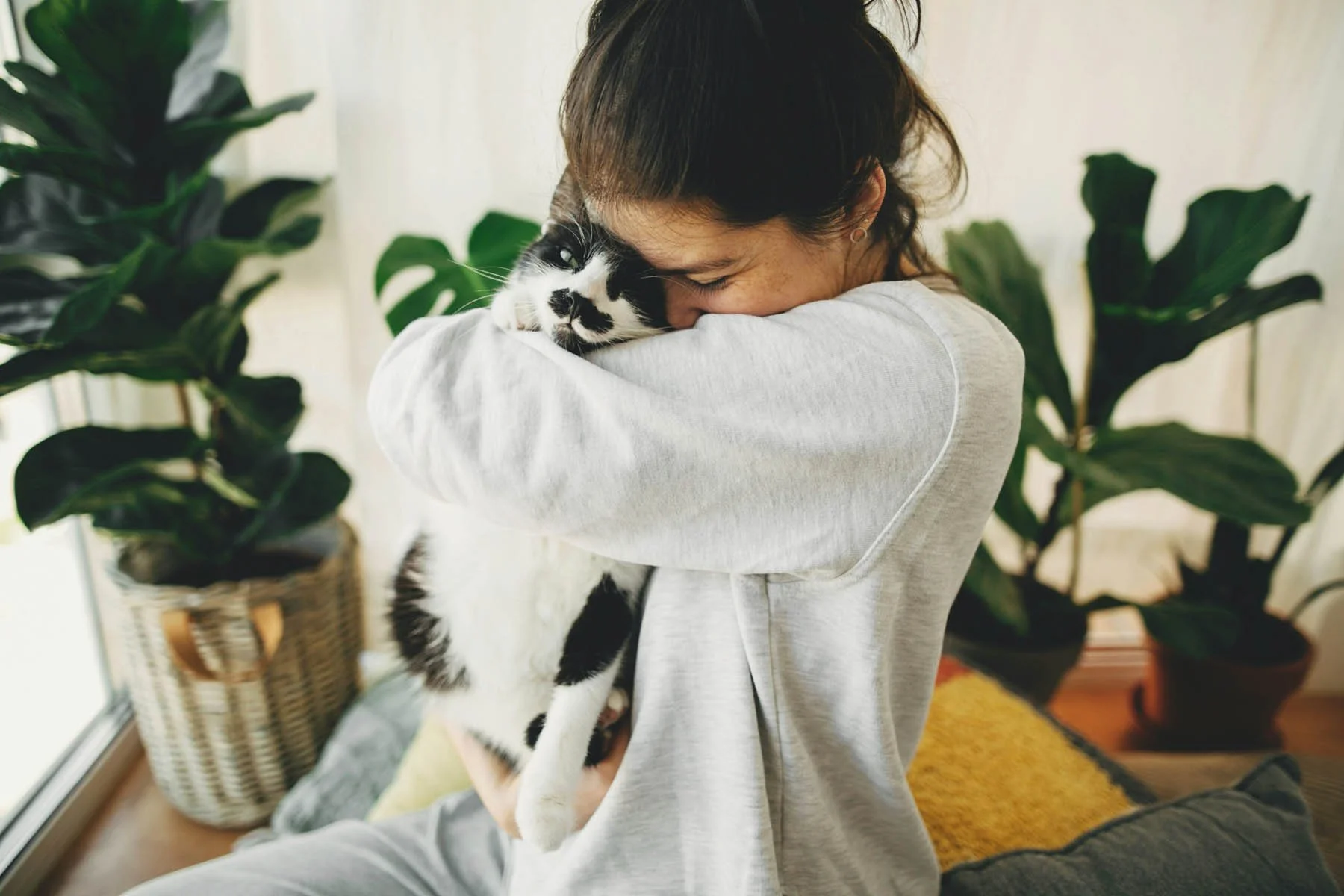
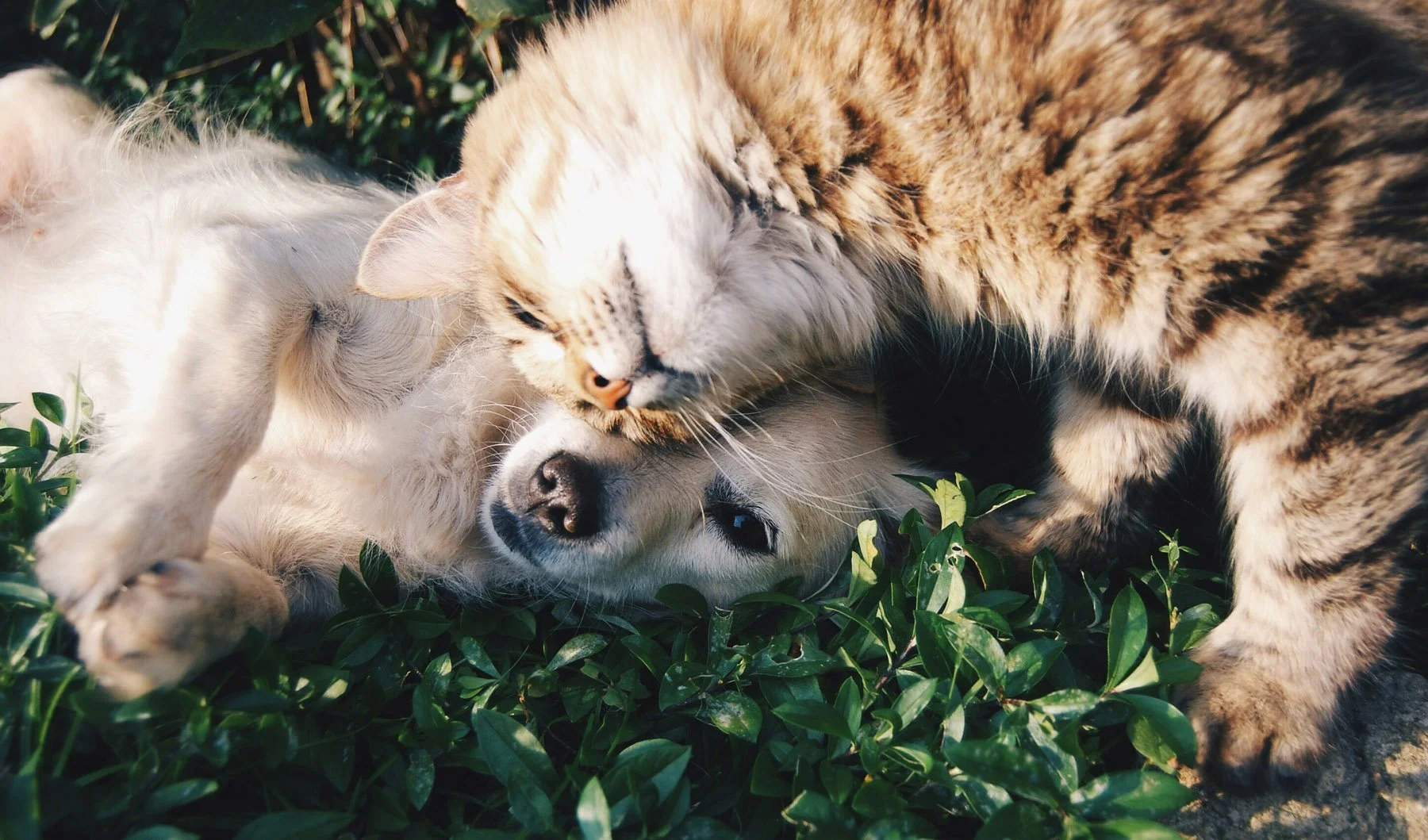
Pets, especially in urban settings, bridge the gap between the natural world and human habitats. Research shows that whether they’re in homes, workplaces, or therapeutic settings, the presence of animals significantly reduces stress, lowers blood pressure, promotes positive emotions, alleviates anxiety and depression, and improves cognitive functions (2).
Furthermore, pets play a role similar to other biophilic elements by offering movement, diversity, and emotional connection—essential qualities for creating nurturing spaces that mimic natural ecosystems. As the authors of the “14 Patterns of Biophilic Design” emphasize, these strategies reinforce the psychological benefits of biophilic design, contributing to better mental health and reducing stress (1).

Pets and Physiological Calm: How My Anxiety Was Completely Quelled
Looking back on that trail in the Canadian Rockies, it's clear that the presence of the dog had a profound physiological impact on me. At the height of my panic attack, my heart and mind were racing, my breath was shallow, and I felt dizzy, sweaty and nauseous. But as soon as the dog appeared, my body responded. My heart rate slowed, my breath deepened, and the nausea and sweat faded. This aligns with studies showing that the presence of animals can stimulate the parasympathetic nervous system, which is responsible for calming us down (3).

Here’s the science:
The physiological benefits of interacting with pets are well-documented. For instance, petting a dog can reduce cortisol levels (the stress hormone) while increasing levels of oxytocin, the “bonding” hormone, which contributes to feelings of calm, love and happiness (4). This research study also showed that playing with dogs even for three minutes could significantly reduce heart rate and even insulin levels. Another study found similar effects, including increases in beta-endorphin, oxytocin and dopamine, showcasing the stress-reducing and mood-enhancing benefits of petting dogs (5). These hormonal responses help to improve mood, lower stress, and promote a sense of relaxation, which aligns perfectly with the goals of biophilic design.
Acknowledging the Commitment: Pets Are More Than Just Biophilic Benefits
That said, it's important to remember that pets are living beings with needs, not just biophilic elements to enhance your space and enjoy playful times. Pets, particularly dogs, come with a great deal of responsibility—from feeding and vet care to grooming and daily exercise. They offer incredible benefits, but they also require a lot of work, attention, and investment. It’s also important to mention that losing a pet has an emotional impact as well.
For those who aren’t quite ready for the commitment that a dog or cat entails, there are plenty of other ways to integrate biophilic design into your home while still enjoying the calming effects of nature.
Easier, Low-Maintenance Pet Alternatives for Biophilic Benefits
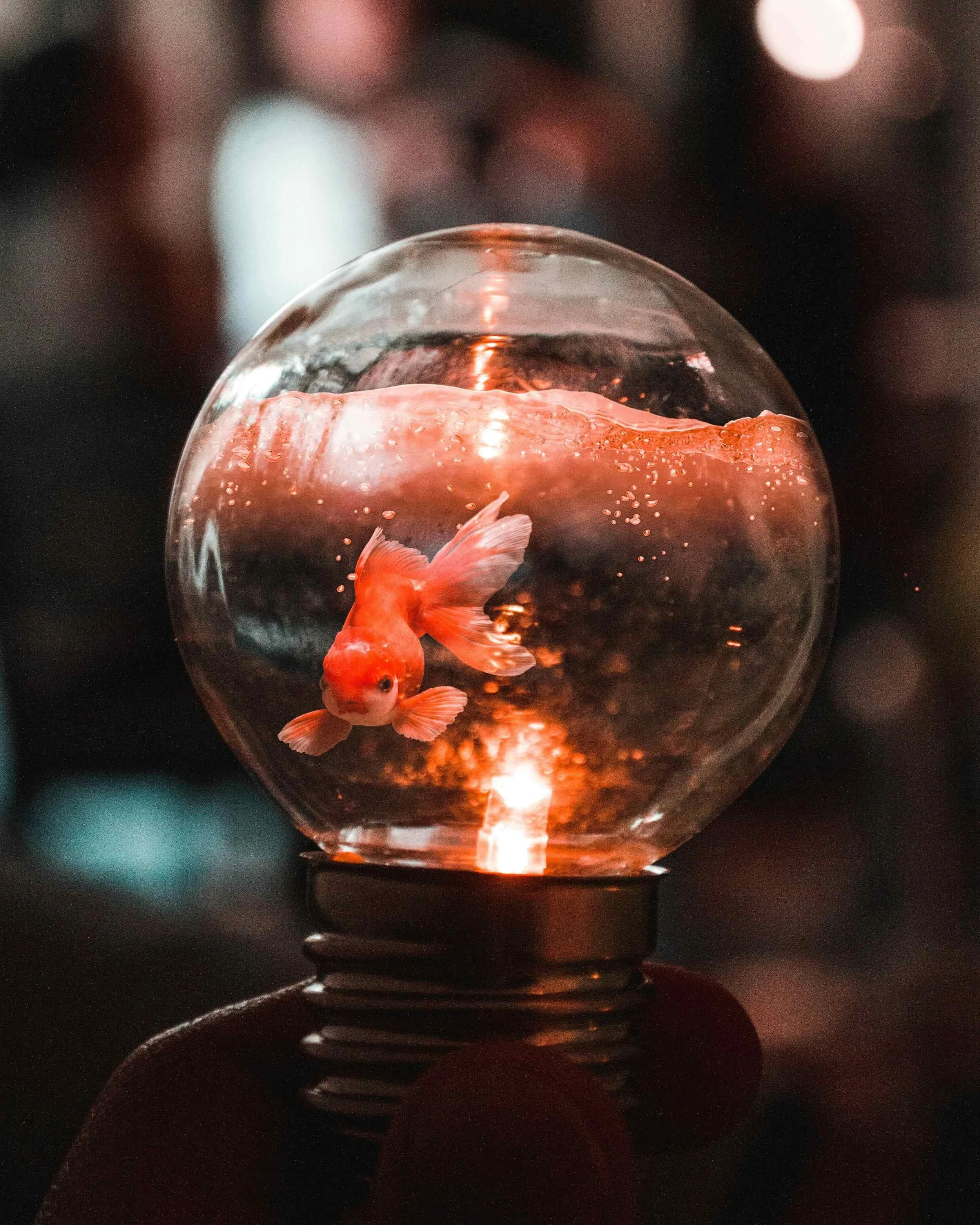
Fish: Aquariums can provide a serene, calming atmosphere, and watching fish swim creates a soothing, almost meditative experience.
Indoor Birds: Finches or canaries offer gentle, natural sounds without requiring too much hands-on care.
Reptiles: Geckos or turtles can add a unique, nature-inspired element to your home without demanding the level of attention a dog might.
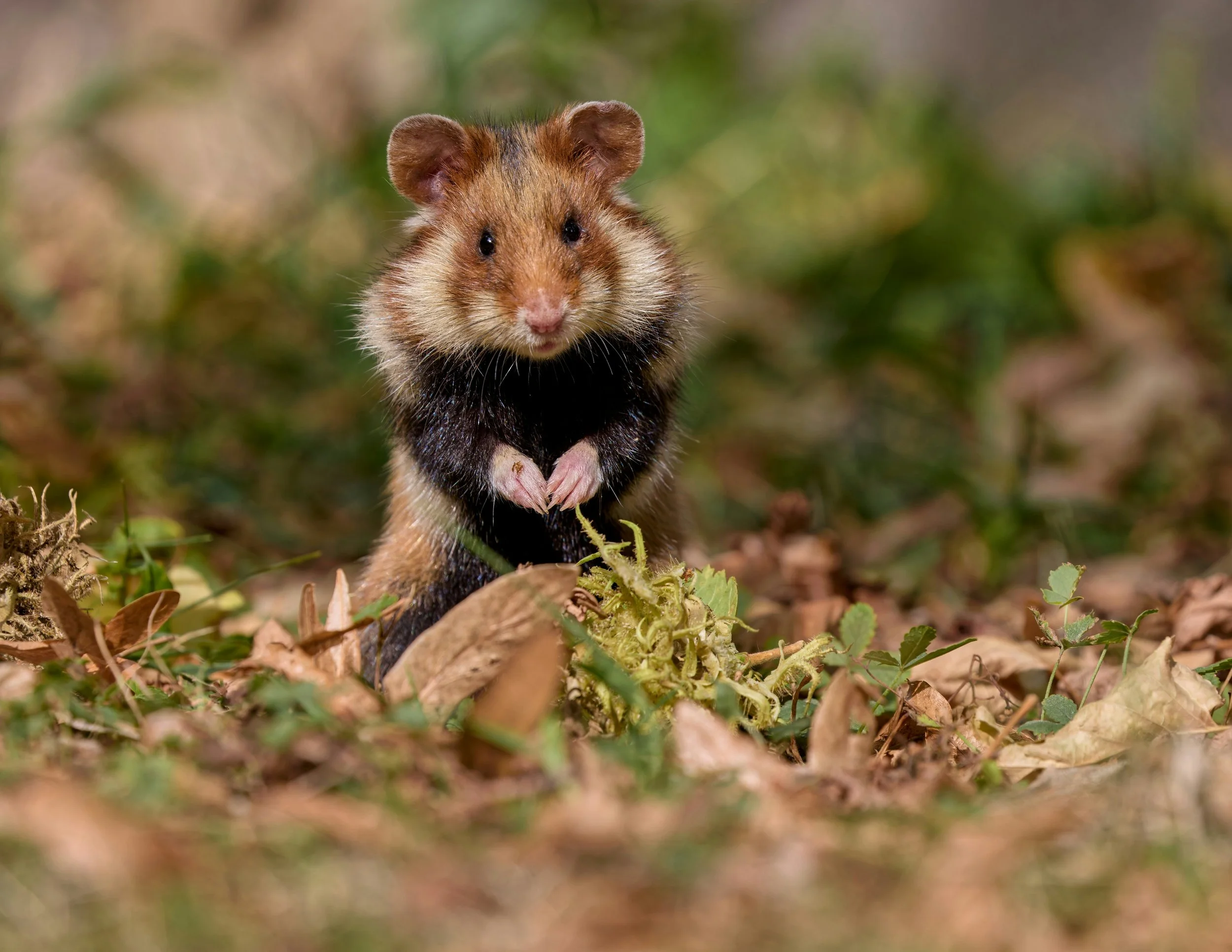
Hamsters or Guinea Pigs: These small mammals are easier to maintain while still offering the companionship that pets bring.
Plants: If animals aren't for you, living plants offer many of the same biophilic benefits—fresh air, natural textures, stress reduction, relaxation and a sense of connection to nature.
By carefully considering the commitment involved in pet ownership and exploring other biophilic alternatives, anyone can create a nature-inspired, calming space in their home.



The Healing Power of Pets in Biophilic Interior Design
Incorporating pets into a home is more than just an emotional decision—it’s a design and lifestyle choice that profoundly impacts mental and physical health. By acting as living biophilic elements, pets help to reduce anxiety, lower stress levels, and enhance mental well-being. As part of nature therapy design, pets remind us of our innate connection to the natural world, bringing peace and healing even into the most stressful environments and times of crisis.
For anyone looking to create a healing home through biophilic and sustainable interior design, pets offer a profound and tangible link to nature. Whether it’s a loyal dog, a serene cat or a bubbly fish in constant motion, these animals are more than companions—they are active participants in crafting homes that support mental health and well-being. []
References:
Browning et al (2014) 14 Patterns of Biophilic Design. Terrapin Bright Green LLC https://www.terrapinbrightgreen.com/reports/14-patterns/
Liu et al (2024) “Cognitive mechanisms and neurological foundations of companion animals’ role in enhancing human psychological well-being” Frontiers in Psychology, 15: 1354220
National Institutes of Health (NIH). The Power of Pets. https://newsinhealth.nih.gov/2018/02/power-pets
Handlin et al (2011) "Short-term interaction between dogs and their owners: Effects on oxytocin, cortisol, insulin and heart rate—An exploratory study” Anthrozoös, 24(3), 301–315
Odendaal and Meintjes (2003) "Neurophysiological correlates of affiliative behaviour between humans and dogs” The Veterinary Journal 165(3), 296-301

Related Articles

Three Expert Tips on Managing Stress and Enhancing Mental Well-being Through Home Design

L’Appartamento Living Room

Terrapin’s Biophilic Impact