


Reimagining Arcadia House: Biophilic Design for Mental Health and Wellness
Disclaimer: In this article, we’re taking a creative detour from the original intentions of the architect and client in the Arcadia case study. While the original design was not crafted with mental health as a primary focus, we’re stepping into an alternate reality—one where I, as the designer, have a client with mental health needs and have been tasked with designing the space for this family. This “what if” scenario explores how different design elements and materials could be chosen to create a home that actively supports mental well-being. Think of it as a parallel design universe where we blend the existing architectural brilliance with a mental health-centered approach.

Arcadia
Design: Architecture architecture
Construction: Moon Building Group
Landscape: Amanda Oliver Gardens
Photography: Tom Ross
Location: Brunswick
Completed: 2020
Arcadia House: Biophilic Design for Mental Wellness in Urban Living
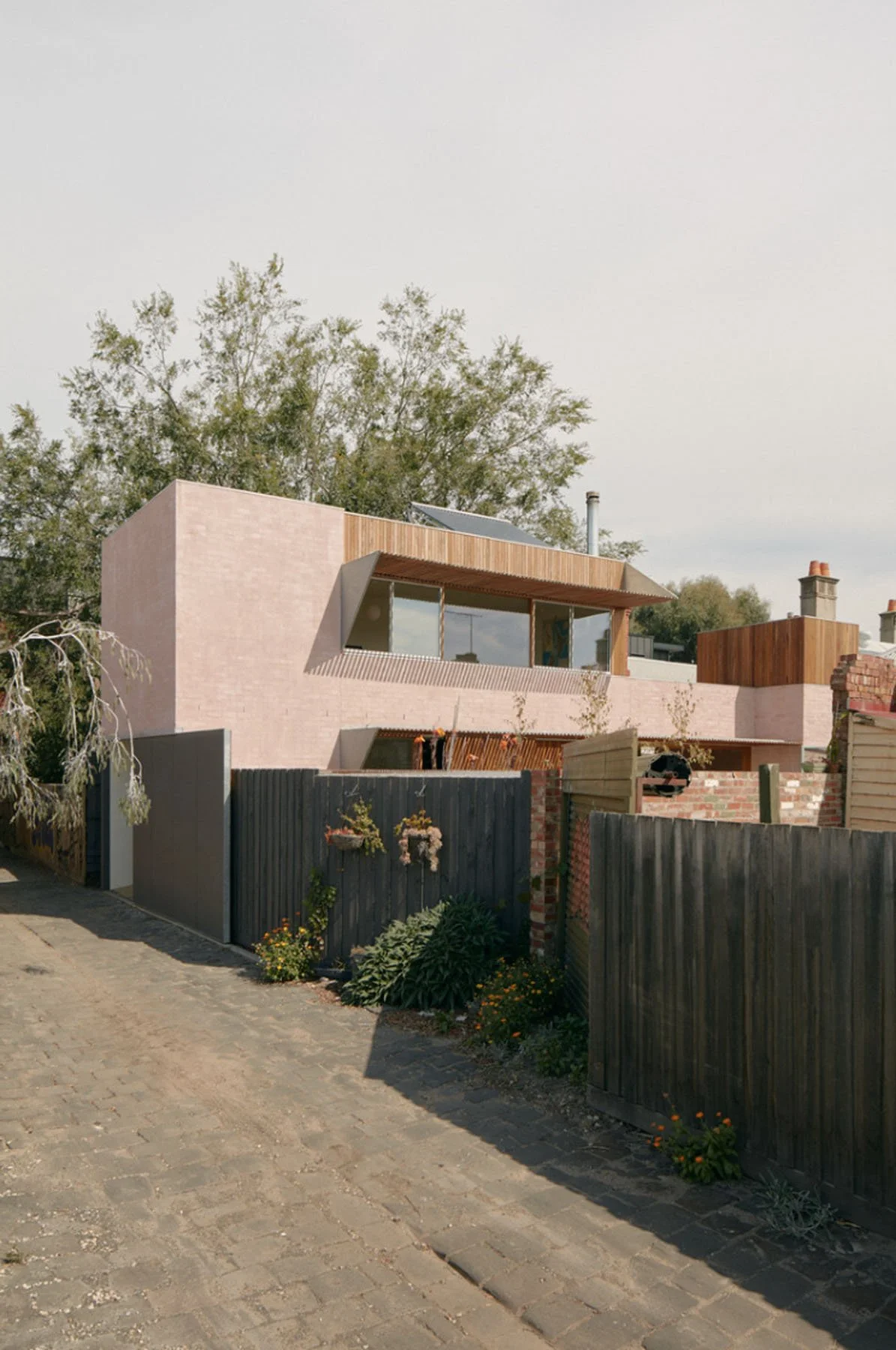
Home is more than just a place where we live; it’s where our inner world finds solace and where our mental health is nurtured. In the fast-paced environment of urban living, finding a sanctuary that resonates with our deepest memories and natural rhythms becomes essential. Arcadia, nestled within the vibrant fabric of Melbourne, is a testament to this need. This home isn't just an architectural achievement—it's a carefully crafted environment designed to support mental wellness, offering a space where the mind can breathe and the spirit can find peace.
Arcadia’s design is rooted in the understanding that our surroundings profoundly impact our mental health. By thoughtfully integrating elements that connect the residents to nature and their personal histories, Arcadia goes beyond being a mere shelter. It becomes a living, breathing extension of the self, where every shaft of light, every texture, and every view can be seen as a design to reduce anxiety and stress, uplift the mood, and foster a deep sense of well-being. For the sake of this article, we’re imagining an alternate design where mental health isn't an afterthought—it's the foundation upon which the entire home is built.

Nature-Focused Design: Building Mental Wellness with Biophilic Elements
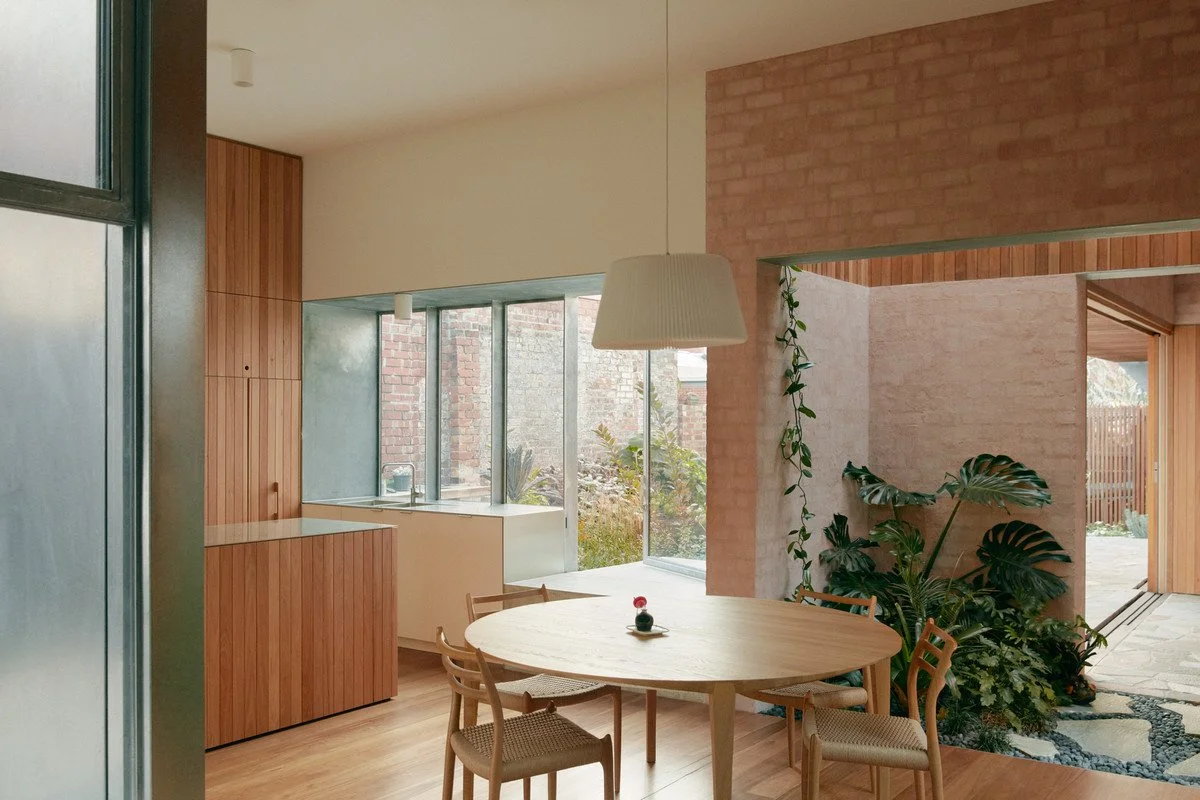
Arcadia’s design embraces nature as a cornerstone for mental health, understanding that our connection to the natural world is essential for relaxation and restoration of the nervous system. The home is bathed in natural light, with sunlight streaming through large windows to illuminate the rustic textures within. This deliberate use of light isn't just about aesthetics—it plays a crucial role in regulating circadian rhythms, improving sleep quality, and elevating mood. Natural light has been recognized for its ability to boost mental wellness, making it an integral aspect of Arcadia’s design. Studies show that getting the right amount of sunlight can positively impact your mental health by reducing risks for depression.
To explore specific lighting products that can enhance your mood, check out this article on lighting solutions for mental health.
Expansive views from the home replicate the vast, open landscapes that defined the clients' rural origins. These views aren’t just visually pleasing; they provide a psychological refuge, alleviating feelings of confinement that can exacerbate anxiety. By offering a visual escape into the natural world, these design elements contribute significantly to reducing stress and fostering a sense of tranquility.
Natural Materials: Creating Calming Spaces with Biophilic Design
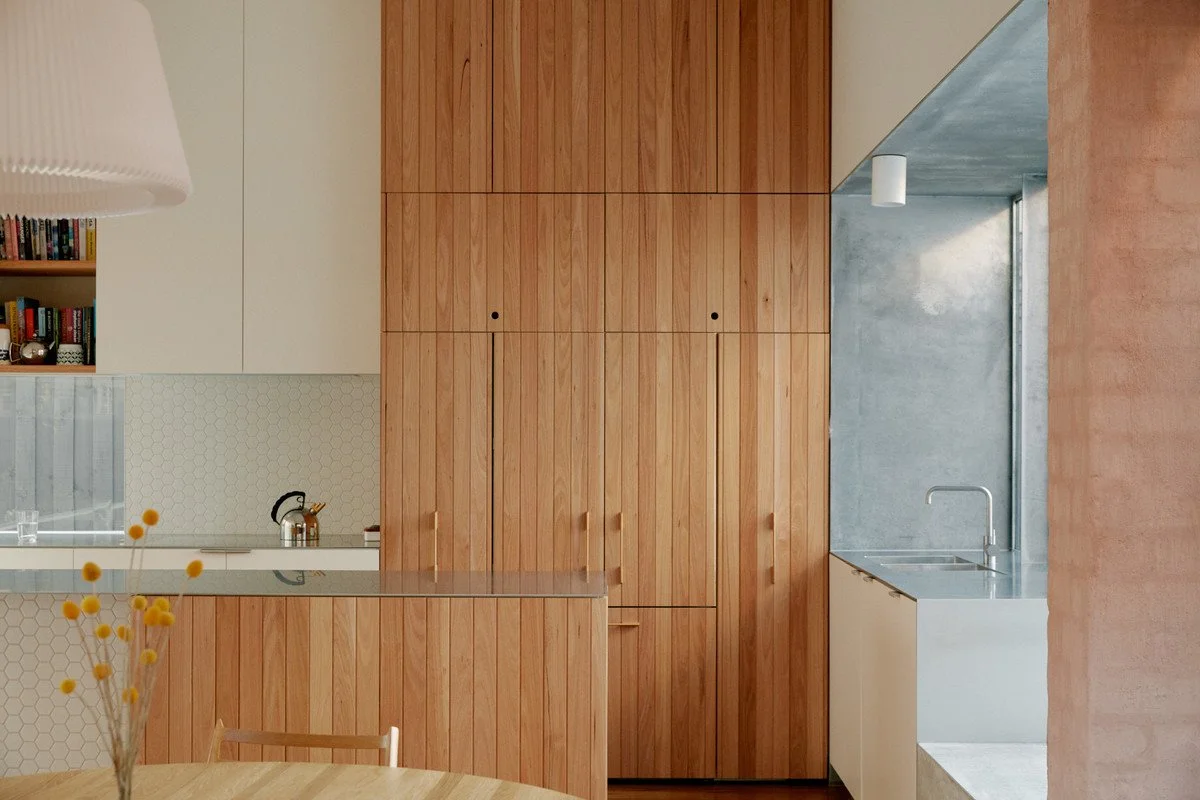
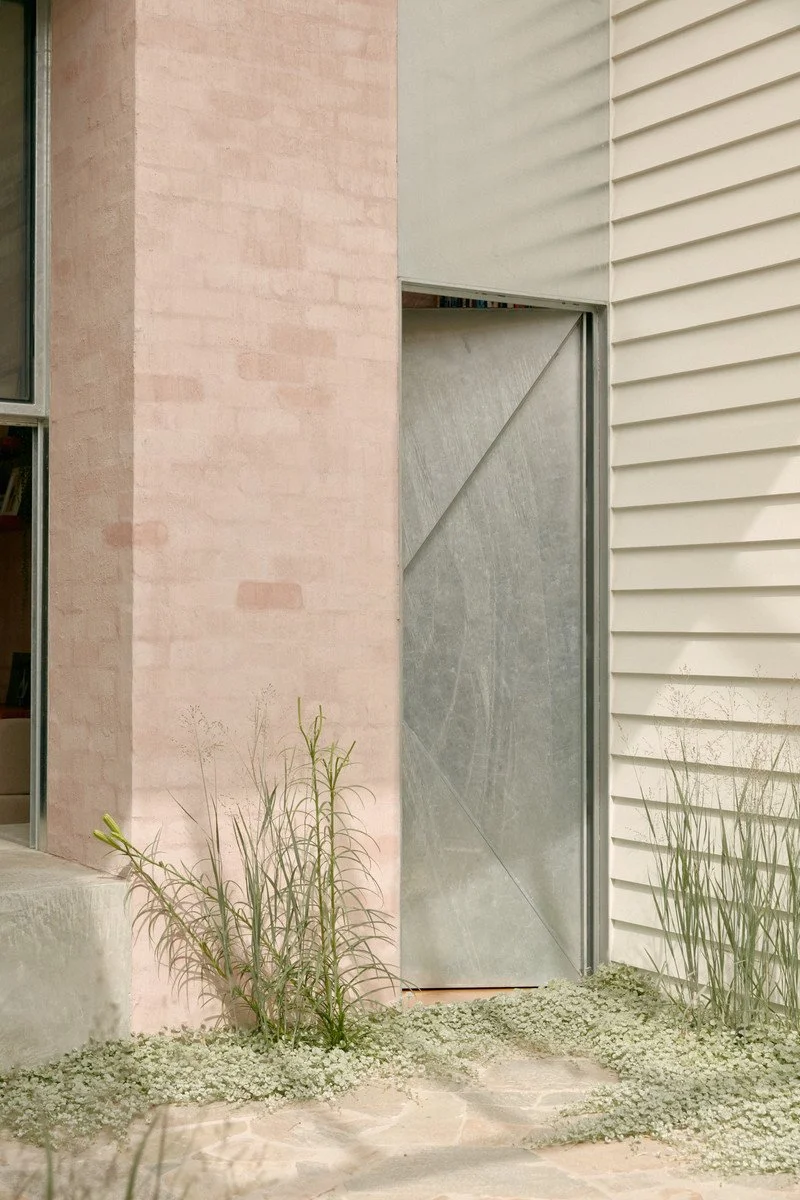
Arcadia’s use of natural materials, particularly wood, reinforces its connection to nature, creating a calm and soothing environment that supports mental wellness. The tactile experience of touching natural materials like wood has been shown to lower stress levels and promote relaxation—key factors in managing anxiety. These materials, chosen for their ability to age gracefully, embody the idea of continuity and stability—important anchors for mental health in an ever-changing world.
The home’s muted color palette, combined with these natural textures, avoids overwhelming the senses. Instead, it creates a serene backdrop that supports emotional equilibrium. For those dealing with anxiety or depression, such a restorative environment is essential, providing a space where the mind can find peace and pleasure.

Designing Personal Sanctuaries: Biophilic Spaces for Reflection and Relaxation
Arcadia is more than just a home; it’s a series of personal sanctuaries designed to promote reflection, relaxation, and mental clarity. Each nook and quiet space within the home is crafted with the intention of providing a retreat from the stresses of daily life. For individuals facing anxiety or depression, these spaces offer a refuge for practices like mindfulness meditation, which is known to enhance mental well-being, cognitive functions and health-related quality of life.
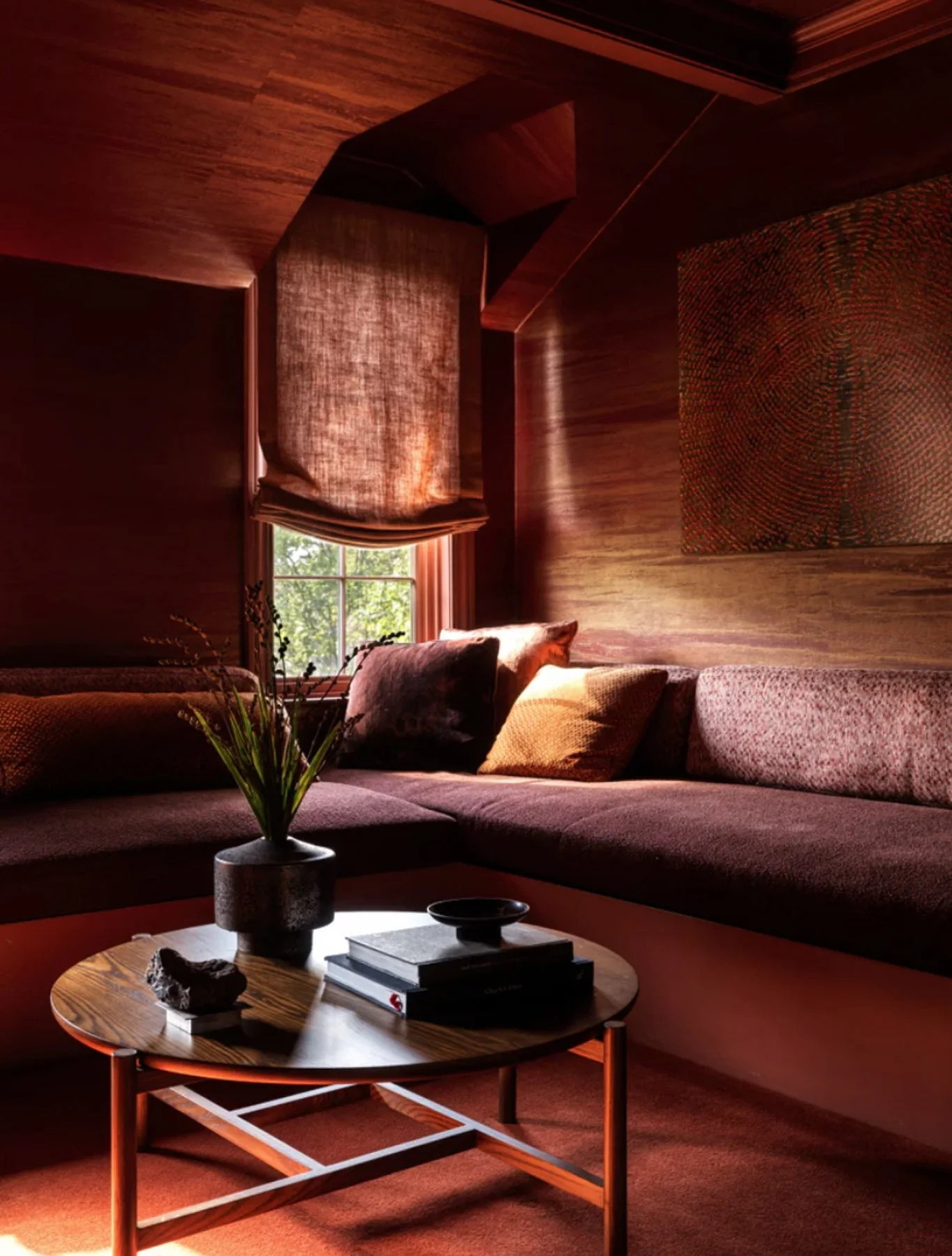
To learn more about how to create a calming refuge space, check out this article on design tips for creating a mental health refuge.
The home’s layout, which mimics a garden path leading from one discovery to the next, encourages movement and engagement—both physically and mentally. This dynamic design helps combat the lethargy often associated with depression by fostering a sense of curiosity and connection with the environment.
A Sensory Journey in Biophilic Design: Engaging Mind and Body for Wellness
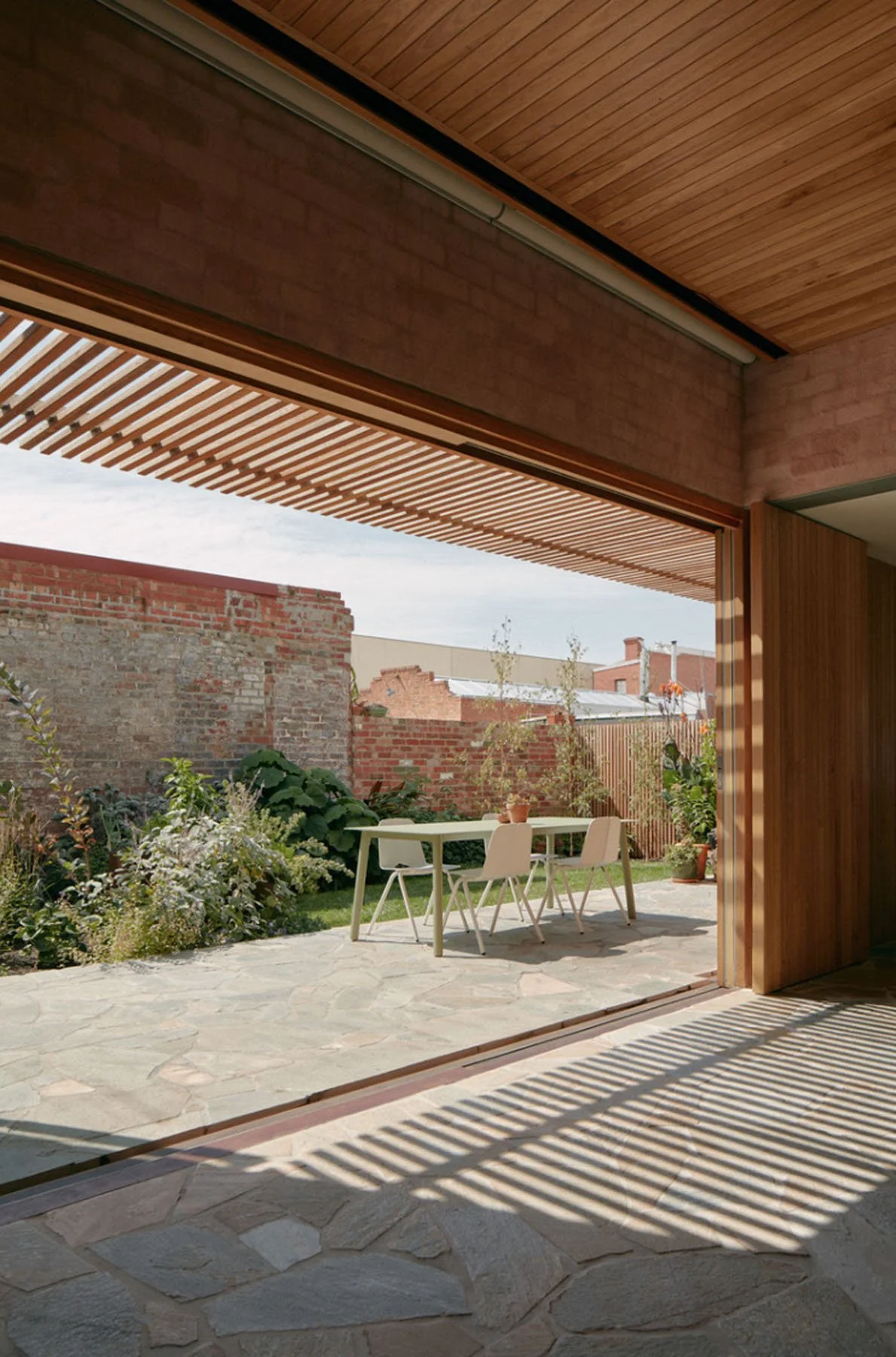
Arcadia offers a multisensory experience that engages both the mind and body, crucial for maintaining mental and physical health. The interplay of light and shadow throughout the day mimics the natural world, providing a comforting rhythm that helps regulate mood and energy levels. This dynamic lighting strategy is particularly beneficial for those dealing with depressive symptoms, as it can help stabilize mood and improve overall mental health.
Tactile experiences are also central to Arcadia’s design. The textures of wood, stone, and fabric invite touch, grounding the residents in the present moment. This focus on sensory engagement helps reduce anxiety by encouraging mindfulness—a technique widely recognized for its ability to alleviate stress and promote emotional health.
Imagine smells of the sea air or essential oils wafting through the air and a soundscape customized to engage listeners for increased mental wellness. Studies have found that negative air ions can be helpful for people with depression.

Emotional Anchoring with Biophilic Design: Connecting the Past for Better Mental Wellness
For the clients, Arcadia is more than a modern residence; it’s a bridge to their pasts, deeply connected to the natural landscapes that shaped their identities. By incorporating design elements that evoke their childhood environments and joy of playing in nature, Arcadia provides emotional anchors that help ground them in familiar comforts and fun. This connection to personal history is especially important for mental health, offering a sense of continuity and belonging that can be particularly comforting for those facing chronic stress, anxiety, burnout or depression.
These personal touches ensure that Arcadia is not just a house but a home—one where the past and present coexist in harmony, offering a stable foundation for mental wellness.

As a Blueprint for Mental Wellness …
Arcadia stands as a powerful example of how thoughtful design can promote mental wellness. By integrating natural elements, creating spaces for reflection, and embedding personal history into its core, Arcadia transcends the traditional role of a home. It becomes a sanctuary for the mind and body, where every detail is carefully considered to support mental health.
In a world where urban living can often feel overwhelming, Arcadia offers a vision of how our homes can be designed to nurture and uplift us. It challenges architects, designers, and homeowners to think deeply about the impact of their surroundings on their well-being, showing that with intention and care, our homes can become true sanctuaries of mental wellness. []




Related Articles
Design Tips for Creating a Mental Health Refuge
ZZ top with Mental Health in Mind

The Power of Lighting for Mental Health