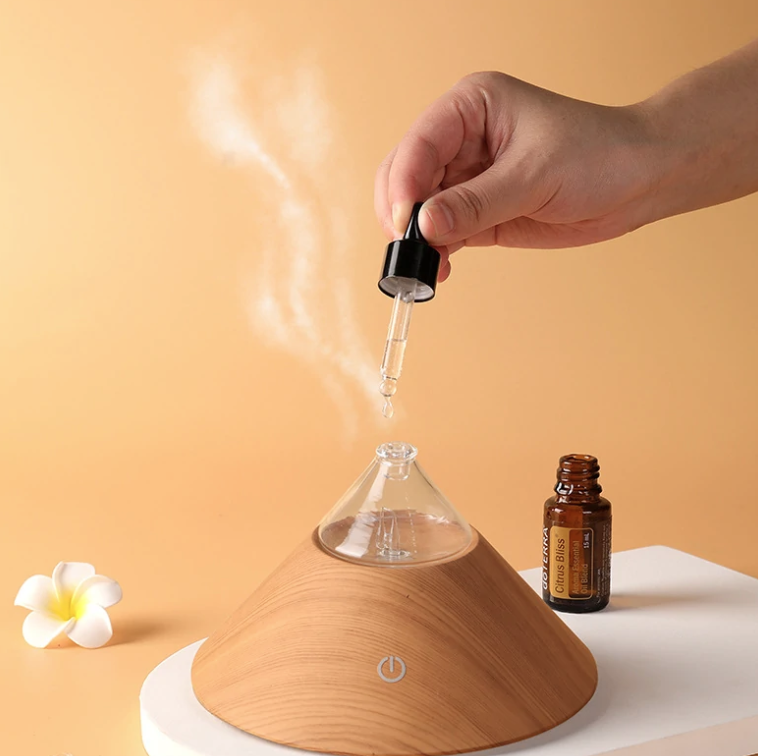
Scent as Medicine: Designing Therapeutic Fragrance for Your Home
Written by Audrey Nielson, Edited by McKenzie Lunt
How intentional aromatherapy transforms spaces into healing environments
In biophilic design, we often begin with what we can see, light, form, texture. But scent is one of the most powerful ways we connect to the world around us.
Just as we explored how lighting can shape our mental health in our previous issue, this time we're turning to something just as transformative: scent.
What is a Scent Scape?
A scent scape is the intentional use of aroma to shape the feeling and function of a space. It's not about overpowering fragrance but about designing with scent as a sensory layer that supports calm, energy, presence, or rest.
In a biophilic home, scent becomes a natural part of the rhythm of the day:
Bright citrus in the morning to awaken the senses and improve focus¹
Earthy herbs to ground and focus during afternoon work periods²
Soothing florals like lavender or chamomile to soften into sleep³
Explore how sound is used the same way in multisensory environments by crafting your own biophilic soundscape.
Why Scent Matters: The Science of Smell
Scent bypasses logic and goes straight to the emotional center of the brain through the olfactory system, which connects directly to the limbic system, our brain's emotional processing center⁴. It's one of the most direct ways to impact how we feel.
We saw this same emotional impact explored through the power of nostalgic objects in curating memory-filled spaces.
The research is compelling:
A single inhalation of lavender has been shown to calm the nervous system and reduce cortisol levels⁵
Eucalyptus can open the airways and clear mental fog while improving cognitive performance⁶
Cedarwood can evoke a sense of warmth and rootedness while promoting deeper sleep⁷
In biophilic design, we return again and again to the idea that nature heals, not just through materials, but through the multisensory experience of being surrounded by nature.

The Therapeutic Power of Pure Essential Oils
Unlike synthetic fragrances, which can contain harmful chemicals and trigger sensitivities⁸, pure essential oils offer therapeutic benefits without compromising indoor air quality.
Key therapeutic scents for home wellness:
Morning Energizers
Peppermint: Increases alertness and cognitive performance
Lemon: Reduces stress hormones while boosting mood
Rosemary: Enhances memory and mental clarity
Afternoon Focus
Frankincense: Promotes deep breathing and mental calm
Pine: Reduces stress and creates forest-like grounding
Sage: Clears mental fog and supports concentration
Evening Restoration
Lavender: The gold standard for relaxation and sleep quality
Chamomile: Reduces anxiety and promotes peaceful sleep
Sandalwood: Calms the nervous system and supports meditation

The Synthetic Fragrance Problem: What We Know
Before investing in therapeutic aromatherapy, it's worth addressing why we specifically recommend pure essential oils over synthetic fragrances.
"Fragrance" Isn't Just One Thing
When you see "fragrance" or "parfum" on a product label, you're not seeing the full picture. Due to trade secret protections, manufacturers aren't required to disclose the individual components that make up their fragrance blends. This single word can represent dozens or even hundreds of different chemicals.
Common Concerns with Synthetic Air Fresheners
While research is ongoing, many synthetic air fresheners are known to release VOCs (volatile organic compounds) that can irritate lungs and potentially disrupt hormone function. Common complaints include:
Headaches
Respiratory irritation
Triggering of asthma symptoms
Skin sensitivity
Why Essential Oils Are Different
Transparency: When you buy pure lavender essential oil, you know you're getting lavender - not a mystery blend of synthetic compounds designed to smell like lavender.
Traditional use: Essential oils have centuries of traditional use, while many synthetic fragrance compounds have only existed for decades.
Your choice: With pure essential oils in a nebulizing diffuser, you control exactly what goes into your air.
Making Informed Choices
We're not saying synthetic fragrances are universally dangerous - more research is needed. But when you're designing a therapeutic home environment, why not choose options with:
Full ingredient transparency
Traditional use history
Potential therapeutic benefits (as shown in the peer-reviewed studies mentioned earlier)
This is another reason nebulizing diffusers make sense: they deliver pure essential oils without adding anything else - no synthetic carriers, no chemical propellants, no mystery ingredients.
If You're Currently Using Synthetic Fragrances
Consider gradually replacing them with either:
Pure essential oils in a quality diffuser
Fragrance-free alternatives
Natural options like fresh flowers or herbs
The goal isn't perfection - it's making informed choices about what you breathe in your home every day.
In “The Hidden Room That Was Poisoning Me,” we explore how even ‘clean’ homes can hide toxins—and what to do about it.
Product Spotlight: Nebulizing Diffusers - The Science-Backed Choice for Therapeutic Aromatherapy
When we started researching aromatherapy for our "Home as Medicine" issue, we assumed all diffusers were basically the same. We were wrong.
After diving deep into peer-reviewed research on essential oil delivery methods, one technology stood out as recommended for therapeutic applications: nebulizing diffusers. Here's what the science revealed and why it influenced our recommendations.
The Research That Changed Our Mind
Did you know that a groundbreaking 2012 study by Drs. Moss and Oliver (Therapeutic Advances in Psychopharmacology, DOI: 10.1177/2045125312436573) showed that inhaled rosemary oil compounds appear in the bloodstream and enhance cognitive performance?
If essential oils have proven therapeutic benefits, can their impact on physiology and health vary? The answer is in part hiding in how essential oils are delivered.
There are two main delivery methods. First, ultrasonic diffusers use high-frequency vibrations to disperse essential oils in a fine mist of water, also creating a humidifying effect. These diffusers work very quietly and are more commonly used for ambience.
On the other hand, nebulizing diffusers can atomized pure essential oils without water, using pressurized air to deliver more concentrated aroma and active compounds. Nebulizers can produce more therapeutic effects due to undiluted delivery of smaller aerosol particles which are more bioavailable.
What The Science Actually Shows
Research Evidence Supports Nebulizing Patients undergoing cardiac surgery experienced less nausea and vomiting when they inhaled nebulized peppermint oil (Compl Ther Clin Pract 2020, doi.org /10.1016/j.ctcp.2020.101199). Studies in the Intensive Care Units used nebulized eucalyptus to prevent ventilator-associated pneumonia (Altern Ther Health Med 2020, PMID: 32088670).
Researchers from Griffith University in Australia were able to inactivate airborne forms of bacteria, fungi and viruses using tea tree or eucalyptus oil delivered with VaxiPod Atomizer (Atmosphere 2021, doi.org/10.3390/atmos12111418).
Heat Can Degrade Therapeutic Compounds Research indicates thermal degradation of essential oils begins at temperatures as low as 100°F (38°C), particularly for citrus oils. Any diffuser using heat can literally cook away the medicinal properties.
Here Are Our Recommendations
SANTAL 26
From Le Labo Fragrances
Best for: Small spaces
Why it works:
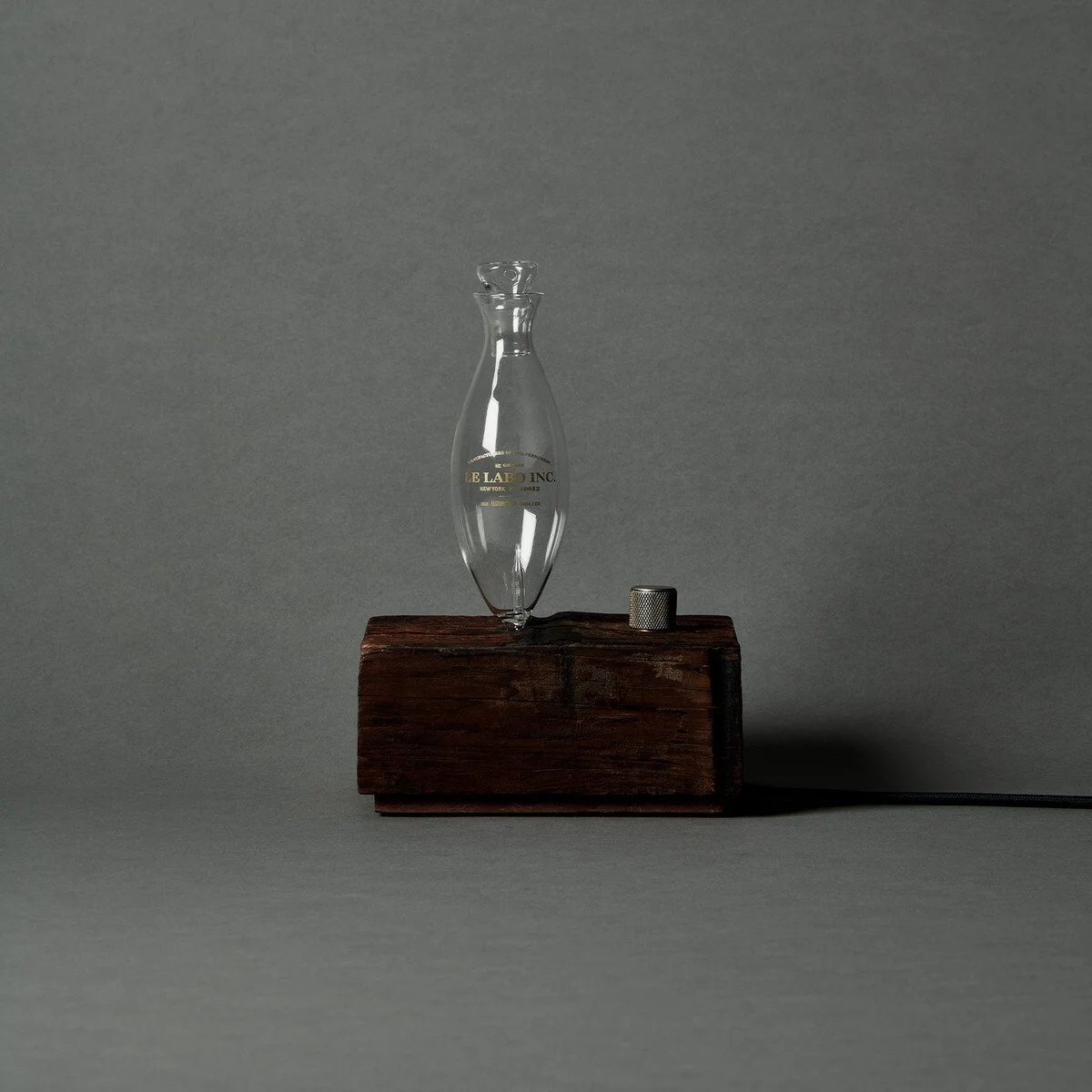
This diffuser is made from reclaimed redwood once used in New York City’s rooftop water tanks, giving each one a unique, weathered look. It uses a built-in nebulizer to gently mist Le Labo’s Santal 26 scent, no heat, no water, just pure fragrance.
Key features:
Each piece is one of a kind, made from aged wood with visible marks of its past. The scent fills the room softly and steadily, with no need for flames or fuss.
Waterless Aromatherapy Diffuser
From Omsint
Best for: Bedrooms or offices
Why it works:
Delivers pure essential oil into the air without water or heat, keeping the scent strong and clean. It's perfect for when you want the benefits of aromatherapy without any mess or mist.
Key features:
Tiny but powerful, it’s easy to move from room to room. It runs quietly, charges by USB, and doesn't need water, just your favorite essential oil.

Fuji Soothing Waterless Diffuser
From For Light Sleepers
Best for: Bedrooms or personal relaxation spaces
Why it works:
Unlike traditional diffusers, the Fuji uses waterless nebulizing technology to deliver pure essential oil without heat or dilution. This means a stronger, cleaner scent that helps set the tone for rest, focus, or calm, ideal for winding down at night.
Key features:
Rechargeable and cordless, with adjustable mist settings and a sleek, minimal design. Its glass reservoir avoids plastic contact and is easy to clean, making it a low-maintenance, high-impact addition to your space.
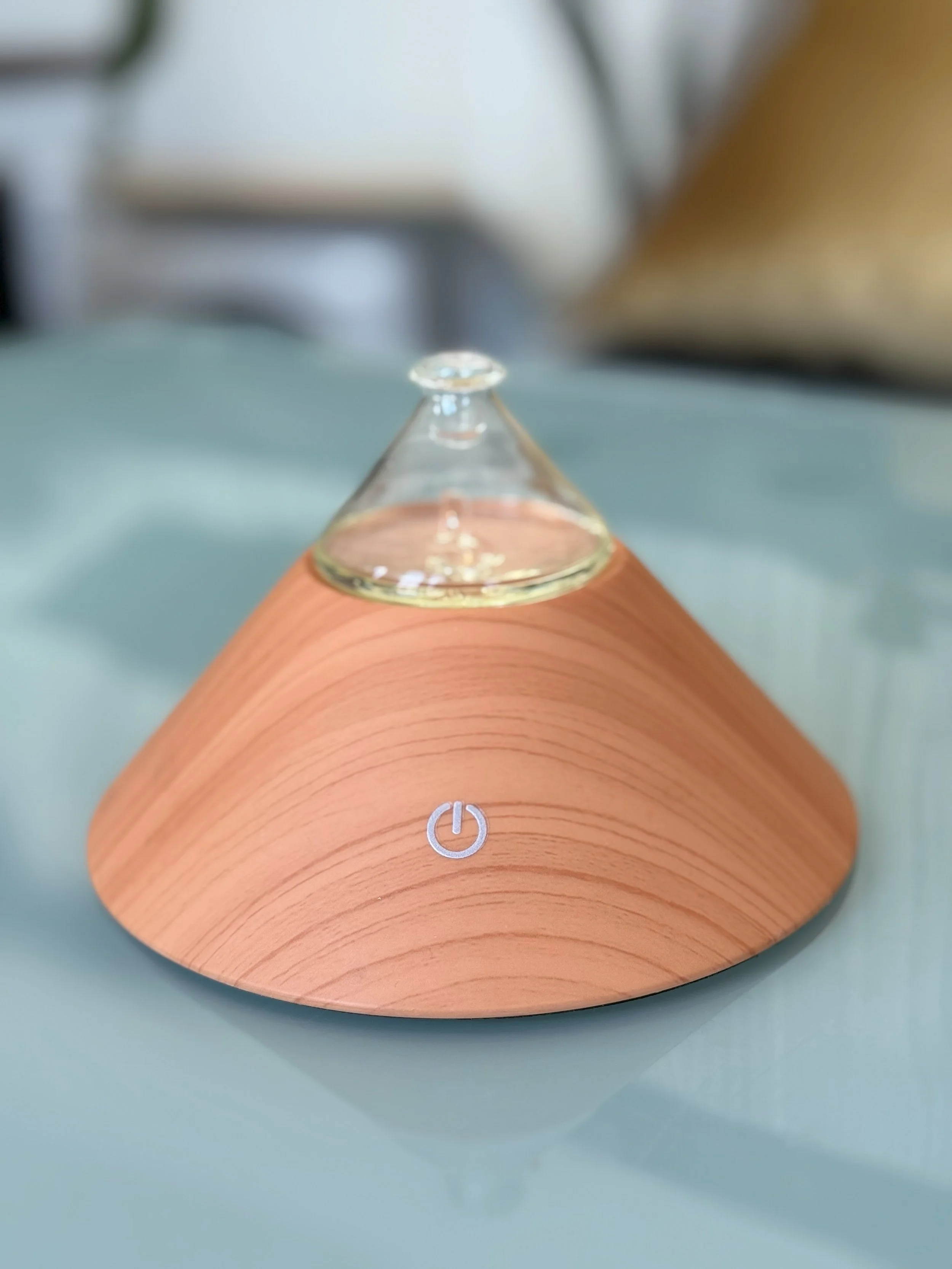
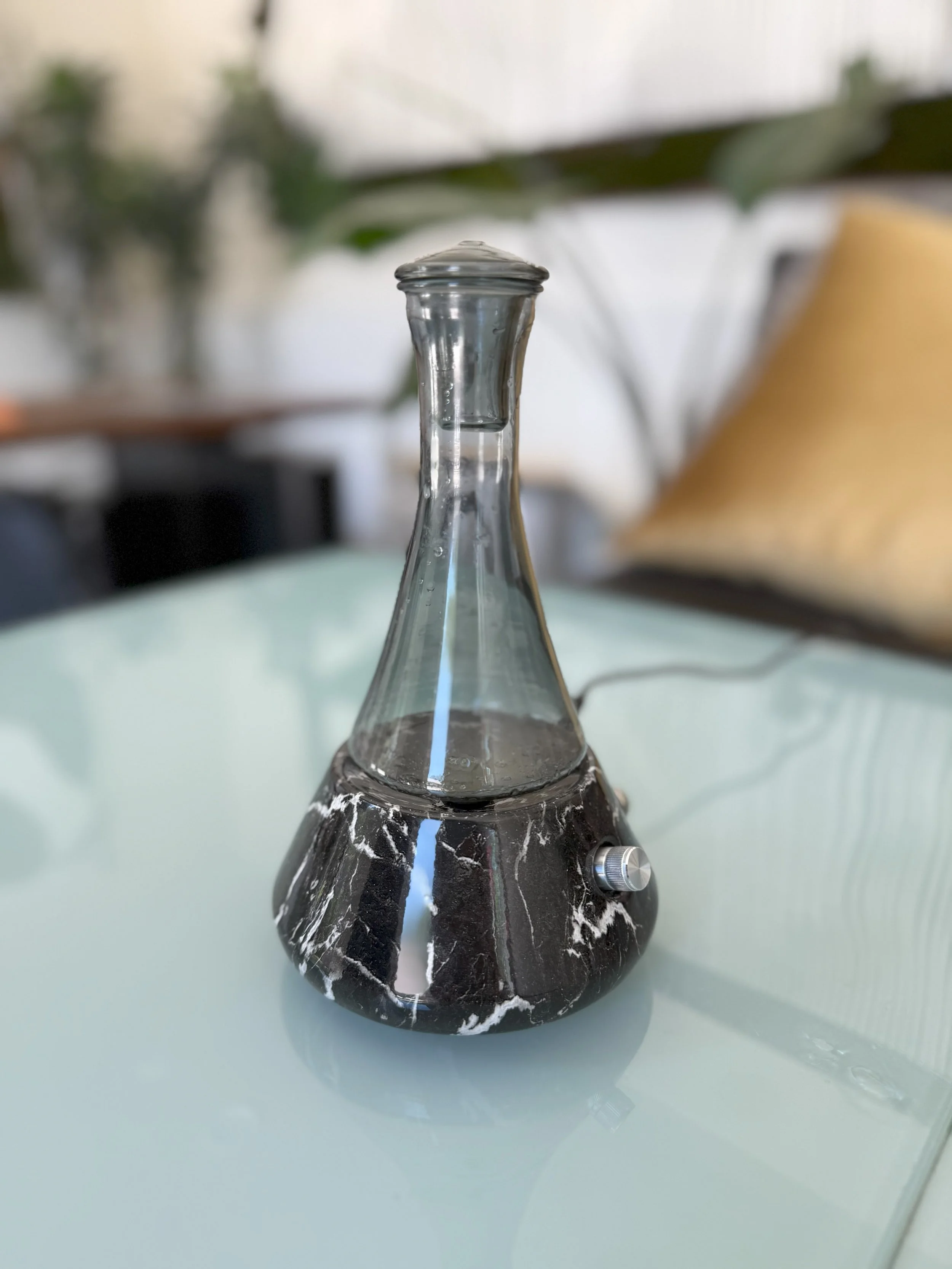
Opulence – Nebulizing Diffuser
From Organic Aromas
Best for: Living rooms or open spaces
Why it works:
This waterless diffuser fills the room fast with pure essential oil, no heat, no dilution, so you get the full scent and benefits.
Key features:
A hand-crafted ceramic base with a glass top, soft LED lighting, and a built-in timer that runs in cycles. Usage cycle: 2 minutes on and 1 minute off for a duration of 2 hours at which time it will automatically turn off. It’s sleek, quiet, and designed to blend in while standing out.
What About Other Diffuser Types?
We can't recommend them for therapeutic purposes based on current research:
Ultrasonic Diffusers:
Dilute oils with water
Produce inconsistent particle sizes
Good for ambient scenting only
Heat Diffusers/Candle Warmers:
Destroy therapeutic compounds
Only suitable for fragrance
Reed Diffusers:
Passive evaporation
No therapeutic delivery mechanism
The Expert Consensus
Dr. Robert Tisserand ("Essential Oil Safety", 2nd edition, 2014) specifically notes that nebulizing diffusers provide "the most intense delivery" method. He recommends 30-60 minute diffusion cycles for therapeutic benefit without habituation.
Dr. Jane Buckle, whose clinical aromatherapy protocols are used in multiple VA Medical Centers, recognizes nebulizing as appropriate for "targeted therapeutic applications requiring maximum potency" ("Clinical Aromatherapy", 3rd edition, 2015).
Making The Investment Make Sense
Yes, nebulizing diffusers cost more than ultrasonic models. But consider:
What you're preserving:
100% of therapeutic compounds (no heat damage)
Optimal bioavailability (correct particle size)
Clinical-grade delivery potential
Cost perspective: If you're spending $30-100 on therapeutic-grade essential oils, using a $25 ultrasonic diffuser is like buying organic vegetables then boiling away all the nutrients.
Who Needs a Nebulizing Diffuser?
✓ You should invest if you're:
Using essential oils for specific health goals
Following clinical aromatherapy protocols
Dealing with respiratory issues
Serious about evidence-based natural health
Already investing in quality essential oils
✗ You might prefer other options if you:
Only want light room fragrance
Are highly sensitive to concentrated aromas
Just enjoy "aromatherapy" for ambiance
Buying Guide: What to Look For
Essential features:
Glass or non-reactive reservoirs (no plastic touching oils)
Adjustable output controls
Coverage appropriate for your space
Easy cleaning access
Timer functions for protocols
The Dayhouse Living Position
Based on peer-reviewed research, we exclusively recommend nebulizing diffusers for anyone using essential oils therapeutically. The science is clear: particle size matters, heat destroys therapeutic compounds, and clinical settings use nebulizing technology for good reason.
This isn't about being diffuser snobs - it's about getting the therapeutic benefits you're seeking from your essential oil investment.

Have experience with diffusers? Share your therapeutic aromatherapy journey: hello@dayhousestudio.com
Disclosure: Dayhouse Living may receive affiliate commissions from purchases made through the links in this article. This supports our independent research and content creation. We only recommend products aligned with peer-reviewed science.
💬 Join Our Community
Have a diffuser or scent ritual that’s changed your space? Tell us about it. We feature reader experiences in our magazine and on Instagram.

Related Articles

The Power of Lighting for Mental Health
DIY Windchimes for a Biophilic Soundscape

How Biophilic Interior Design Supports Mental Health