


Amangiri: A Masterclass in Multisensory Healing Design
Written by Dorothy Huntsman, Edited by Audrey Nielson and McKenzie Lunt
How luxury hospitality pioneers the future of therapeutic environments
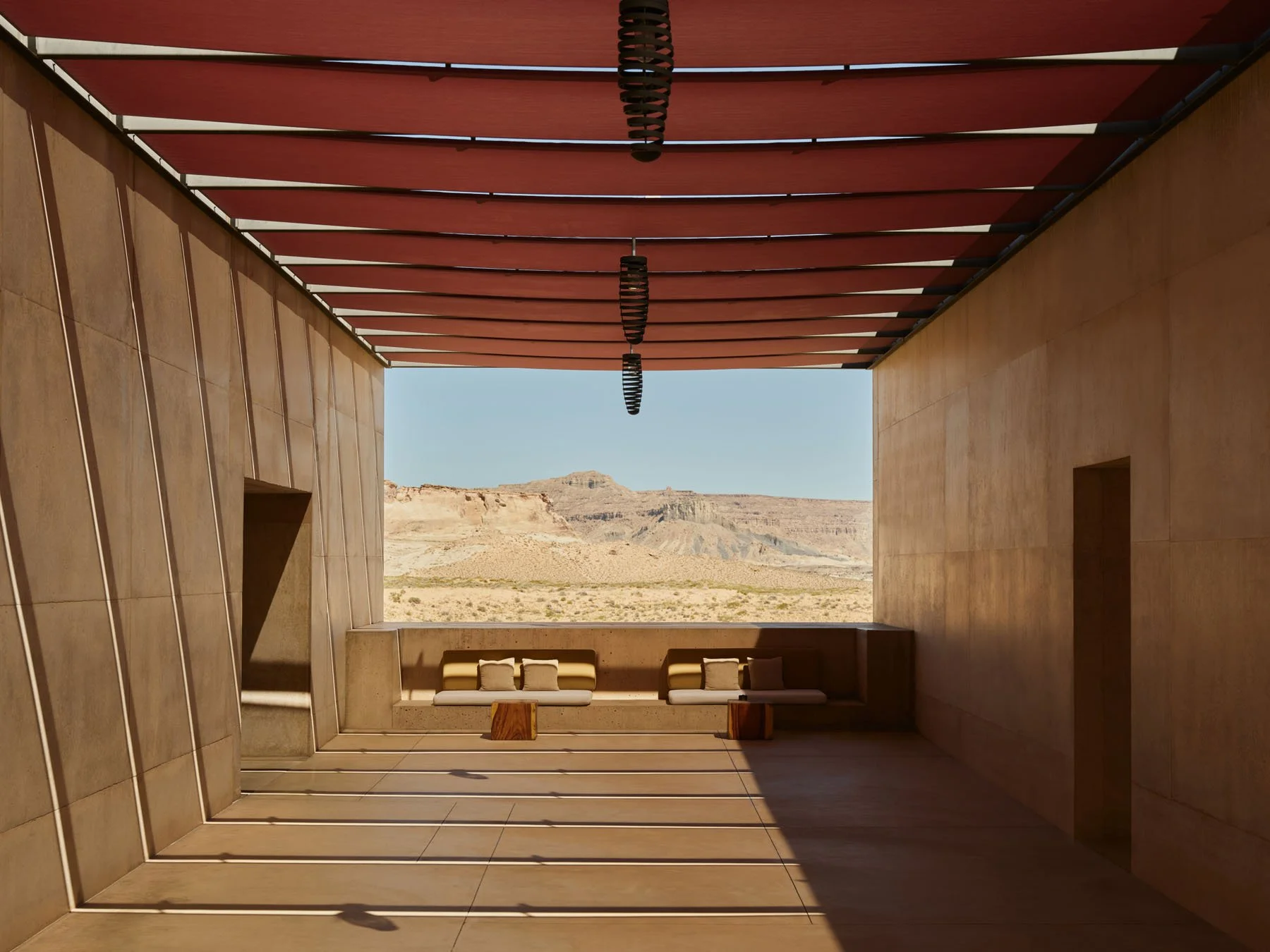
The first glimpse of Amangiri is a study in contrasts, modernist minimalism against an ancient, untamed landscape. The journey here, through the winding desert roads of Canyon Point, Utah, builds anticipation. Then, the resort emerges like a mirage, its sun-bleached limestone walls blending seamlessly into the red-rock country of the Colorado Plateau.
This is not just a luxury retreat; it's a living laboratory for multisensory healing design.
After spending months researching how environments can poison or heal, visiting Amangiri feels like encountering the future of therapeutic hospitality. Every detail, from the acoustic design that amplifies healing desert sounds to the carefully calibrated lighting that supports circadian rhythms, demonstrates how intentional design can create profound wellness outcomes.
This is environmental medicine at its most sophisticated.

Visual Healing: A Landscape That Breathes Stillness
At Amangiri, every window, every open space functions as an intentional frame for nature's therapeutic masterpiece. The architecture dissolves into the surrounding canyons, making it feel as though the land itself cradles you, a perfect expression of biophilic design principles in action¹.
The visual impact is immediately therapeutic: The golden hour washes the mesas in warm amber light, while at night, the Milky Way stretches across unpolluted sky. Whether from the infinity pool sculpted into the rock escarpment or the terrace of your private suite, the views remind you how vast, yet deeply personal, healing can be.
Research shows that views of natural landscapes can:
Reduce stress hormones by up to 50% within 15 minutes of viewing²
Lower blood pressure and heart rate through parasympathetic activation³
Improve cognitive function and mental clarity⁴
Enhance emotional regulation and psychological resilience⁵
Amangiri's design maximizes these therapeutic benefits by ensuring that nature views are available from every guest touchpoint, rooms, dining areas, spa treatments, and transitional spaces.
Personal Reflection: Standing on my suite’s terrace at dawn, watching the desert colors shift from deep purple to golden amber, I felt my nervous system settle in ways that months of medical treatment hadn’t achieved. This is what therapeutic design accomplishes — healing that happens without effort, simply through optimal environmental conditions.
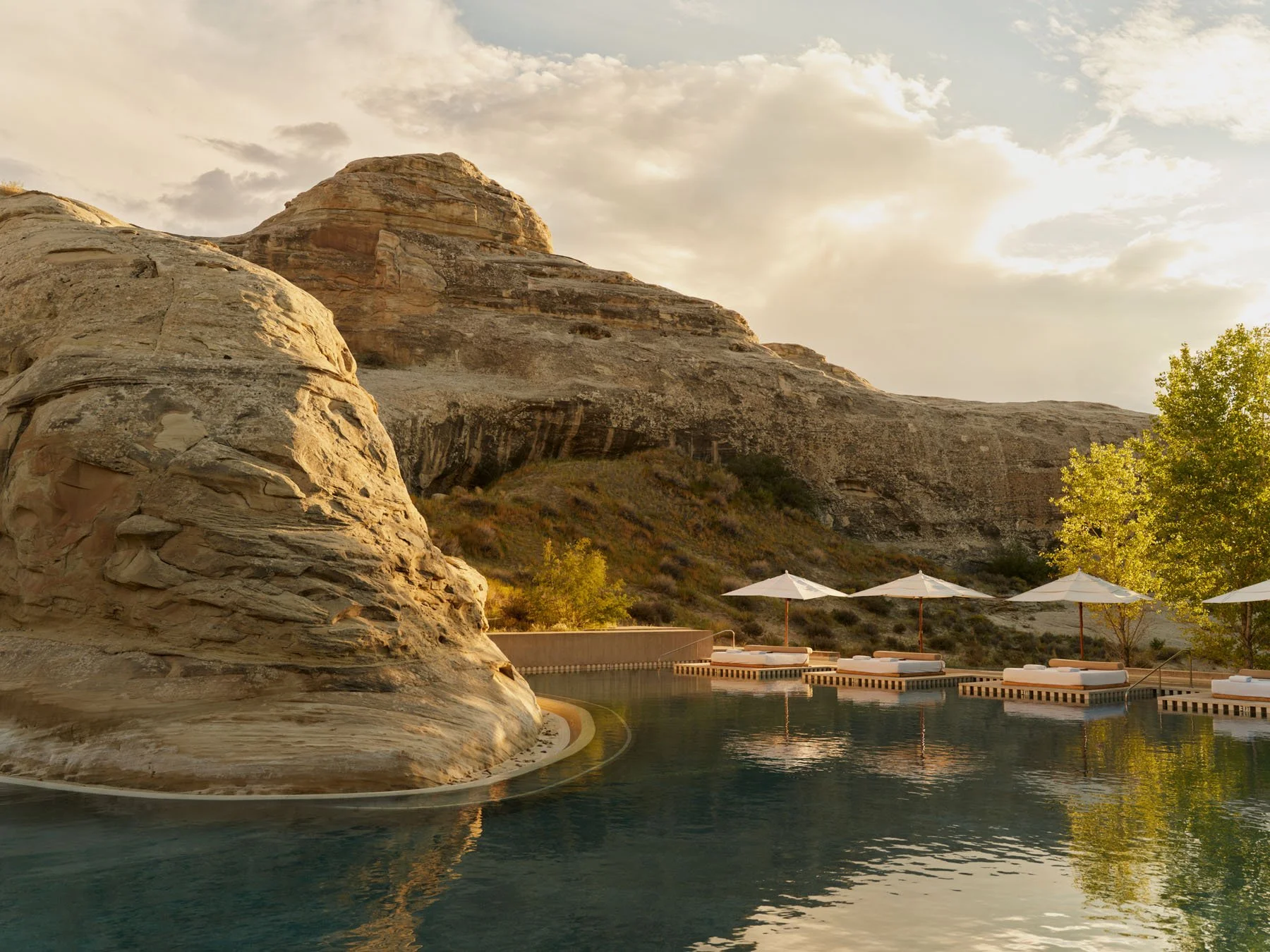
Acoustic Medicine: The Therapeutic Music of Silence
Silence is sacred here, but it is not empty. It hums with whispers of the wind against the sandstone, the occasional call of a raven echoing through the canyons, and the rhythmic crackle of fire pits at night. This is acoustic design that understands sound as medicine⁶.
Another article shares how to recreate this kind of auditory experience at home, starting with small, biophilic elements like windchimes.
In the Aman Spa, the deep resonance of Tibetan singing bowls enhances the feeling of grounding, while the sounds of flowing water from the plunge pools and steam rooms mimic the hidden springs of the desert. Every acoustic element serves therapeutic function rather than mere ambiance.
For those seeking adventure, the soundscape evolves, the gritty crunch of boots on remote hiking trails, the sharp metallic clicks of a via ferrata ascent, or the profound stillness inside slot canyons, where nature holds its breath and provides natural sensory deprivation therapy.
Therapeutic sound design at Amangiri includes:
Natural sound amplification through architectural acoustics
Noise masking of mechanical systems to preserve desert silence
Intentional sound placement in spa and treatment areas
Acoustic zoning that creates varied therapeutic sound environments
Personal Reflection: Floating in the spa’s water pavilion, eyes closed, hearing only my own heartbeat and distant wind through stone, this is what acoustic healing feels like. The absence of urban noise pollution allowed my nervous system to reset in ways I hadn’t experiences since my health crisis began.
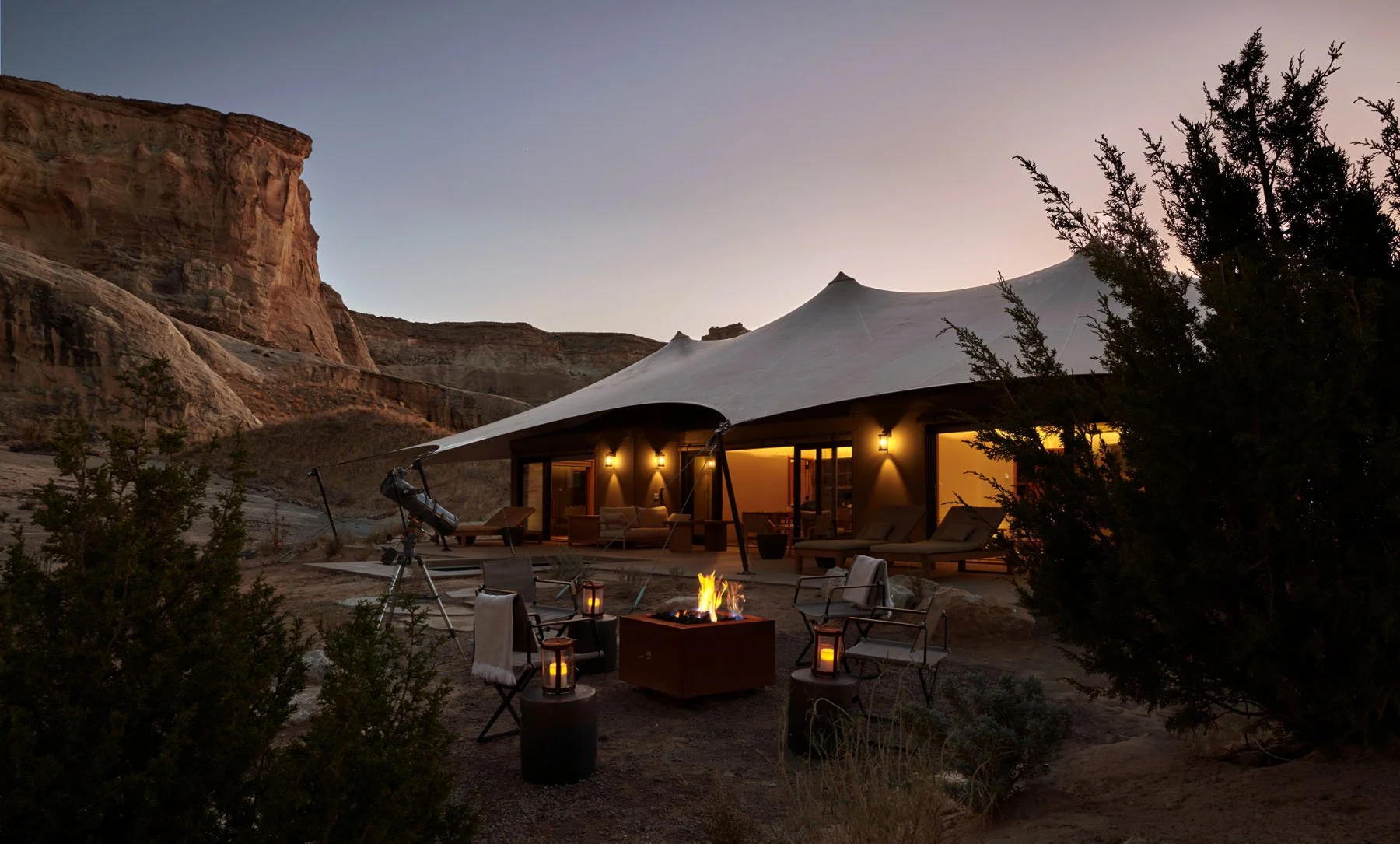
Tactile Therapy: The Desert's Healing Touch
There is a tactile richness to this place that serves as environmental medicine. The warm sandstone beneath bare feet provides grounding contact with earth elements, while cool water of outdoor plunge pools offers therapeutic temperature contrast for improved circulation⁷.
The spa's therapeutic rituals, inspired by Navajo healing traditions, layer healing sensation upon sensation, smooth river stones gliding over muscles, gentle exfoliation of desert salts, grounding pressure of deep tissue massage. Even the air has therapeutic texture, dry warmth in the afternoon that supports respiratory health, cooling to crisp embrace at night for optimal sleep conditions⁸.
For deeper physical restoration, horseback riding through open desert connects body and terrain in ways that provide both exercise and sensory integration therapy, each movement syncing with the rhythm of the land provides proprioceptive healing⁹.
Amangiri's tactile design elements include:
Natural material selection (stone, wood, organic textiles) for optimal sensory input
Temperature variation through design for therapeutic contrast
Texture diversity that provides ongoing sensory stimulation
Barefoot-friendly surfaces that encourage earth connection and grounding
Personal Reflection: The moment I stepped onto the warm sandstone pool deck, feeling the earth’s heat through my feet while cool desert air moved across my skin, I understand why traditional healing practices emphasize environmental connection. My body remembered what it felt like to be in harmony with natural elements.

Gustatory Healing: The Desert as Medicine
Dining at Amangiri represents food as medicine philosophy in action, with flavors as bold and therapeutic as the landscape itself. The Dining Room offers Southwest-inspired dishes that honor regional healing traditions, fire-roasted poblano chilies rich in antioxidants, blue corn tamales providing complex carbohydrates for sustained energy, local honey offering antimicrobial benefits¹².
A private meal at Dinner on the Rocks, nestled in a secluded sandstone alcove, elevates dining to immersive therapy. Each sip of smoky mezcal or herbal-infused tea connects deeply with the landscape's healing properties¹³.
Sunset dining at Raven's Nest brings curated tastings of therapeutic local flavors, cactus fruit sorbet rich in antioxidants paired with mineral-rich Utah salt, while fireside dining at Camp Sarika transforms meals into healing ritual, with charred corn and wood-smoked game providing both nutrition and sensory medicine¹⁴.
The culinary medicine approach includes:
Local, seasonal ingredients with maximum therapeutic potential
Traditional preparation methods that preserve healing compounds
Mindful eating environments that support proper digestion
Hydration focus through mineral-rich local water sources
Personal Reflection: A bite of local prickly pear sorbet suddenly tasted like the desert itself — earthy, sweet, alive with mineral complexity. After months of struggling with digestive issues from mold toxicity, eating food that felt this connected to healing landscape reminded my body what nourishment could feel like.

Olfactory Medicine: The Aromatic Memory of Healing
The desert has a scent profile that functions as natural aromatherapy, the mineral tang of sunbaked rock, faint sweetness of sagebrush, earthiness of rain evaporating on warm sand. Amangiri enhances this natural pharmacy with desert wildflower-infused oils in spa treatments, smoky perfume of mesquite wood in fireside pavilions, and comforting aroma of fresh bread and roasted chilies from the open kitchen¹⁰.
Morning air carries the therapeutic scent of juniper and cedar, while evenings offer warm spices and the distant promise of weather changes, scent cues that support natural circadian rhythms and emotional regulation¹¹.
The resort's olfactory design strategy:
Natural scent preservation through minimal synthetic fragrance use
Seasonal aromatherapy that changes with desert plant cycles
Therapeutic essential oils integrated into spa and wellness treatments
Cooking aromatherapy that connects food and healing
We explore this idea further in an article about designing with therapeutic fragrance at home.
Personal Reflection: The way the air smelled just before sunrise- clean, mineral-rich, alive with possibility, reminded me that healing often begins with the simple act of breathing deeply in the right environment. After months of sterile medical environments, my body craved this connection to living earth.

Integration Therapy: A Space to Feel Fully Alive
Amangiri functions as more than a resort, it operates as an integrated therapeutic environment where nature, design, and human physiology exist in calculated harmony. It demonstrates what becomes possible when every design decision prioritizes human wellbeing over conventional luxury.
The therapeutic experiences include:
Floating sensation in heated pools under stars for sensory deprivation therapy
Breathtaking views from canyon edges for perspective therapy and stress reduction
Palpable sense of time slowing through intentional pacing and rhythm
Deep restoration through environmental immersion rather than passive entertainment
Yet the most powerful therapeutic element is the space left open, for quiet moments of reflection, for deep inhalations of healing desert air, for the simple yet profound act of being present in an environment designed to support optimal human function.
Personal Reflection: This is where I understood that recovery isn’t just about removing toxins or taking supplements — it’s about creating conditions where the body remembers how to heal itself. Amangiri provides those optimal conditions at the highest level.

Lessons for Therapeutic Home Design
What makes Amangiri exceptional isn't the luxury budget, it's the sophisticated understanding of how environmental factors impact human physiology and psychology. These principles translate directly to therapeutic home design:
Visual Optimization
Maximize natural views and minimize visual clutter
Use natural materials that provide ongoing visual connection to earth elements
Create viewing opportunities for sky, weather, and seasonal changes
Design lighting that supports circadian rhythms and mood regulation
Acoustic Wellness
Eliminate or mask mechanical noise pollution
Introduce therapeutic sounds through water features or wind elements
Create quiet zones for nervous system restoration
Use natural materials that absorb rather than reflect harsh sounds
Tactile Integration
Choose materials that feel good to touch and support nervous system calm
Provide temperature variation through design for therapeutic contrast
Create barefoot-friendly surfaces for earth connection
Integrate texture diversity that provides ongoing positive sensory input
Olfactory Design
Eliminate synthetic fragrances that can trigger sensitivities
Introduce natural scents through plants, essential oils, and natural materials
Support air quality through ventilation and filtration
Create scent transitions that support daily rhythms and activities
Nutritional Environment
Design kitchens that encourage cooking with therapeutic whole foods
Create eating environments that support mindful consumption
Grow herbs and healing plants for immediate access to fresh medicine
Establish rituals around food preparation and consumption as therapy
The Future of Therapeutic Hospitality
Amangiri represents what becomes possible when environmental design prioritizes human healing over conventional definitions of luxury. As more people recognize the connection between environment and health, this model of sophisticated wellness hospitality will become the new standard.
To experience Amangiri is to understand that therapeutic environments aren't about deprivation or clinical sterility, they're about abundance of the conditions that allow humans to thrive. In science, it is called an “enriched environment”.
The lessons learned here inform every recommendation we make for therapeutic home design: that healing happens most effectively when we create optimal environmental conditions and then allow the body's natural intelligence to do what it knows how to do.
Your home may not overlook red rock canyons, but it can provide the same fundamental therapeutic elements: connection to nature, freedom from environmental toxins, multi-sensory healing design, and space for the nervous system to find its natural rhythm.
Amangiri proves that when we design with human physiology in mind, luxury and healing become inseparable.



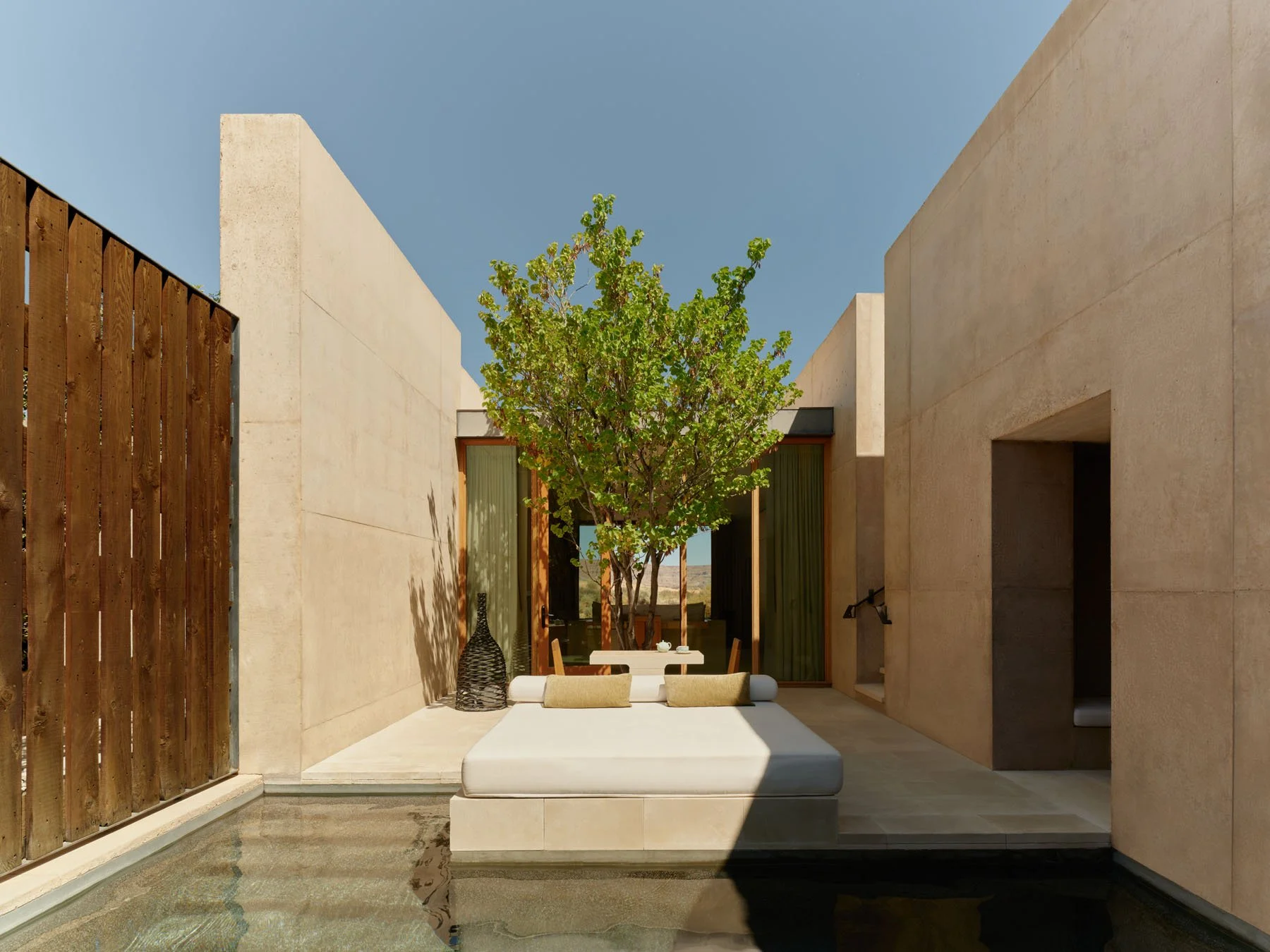

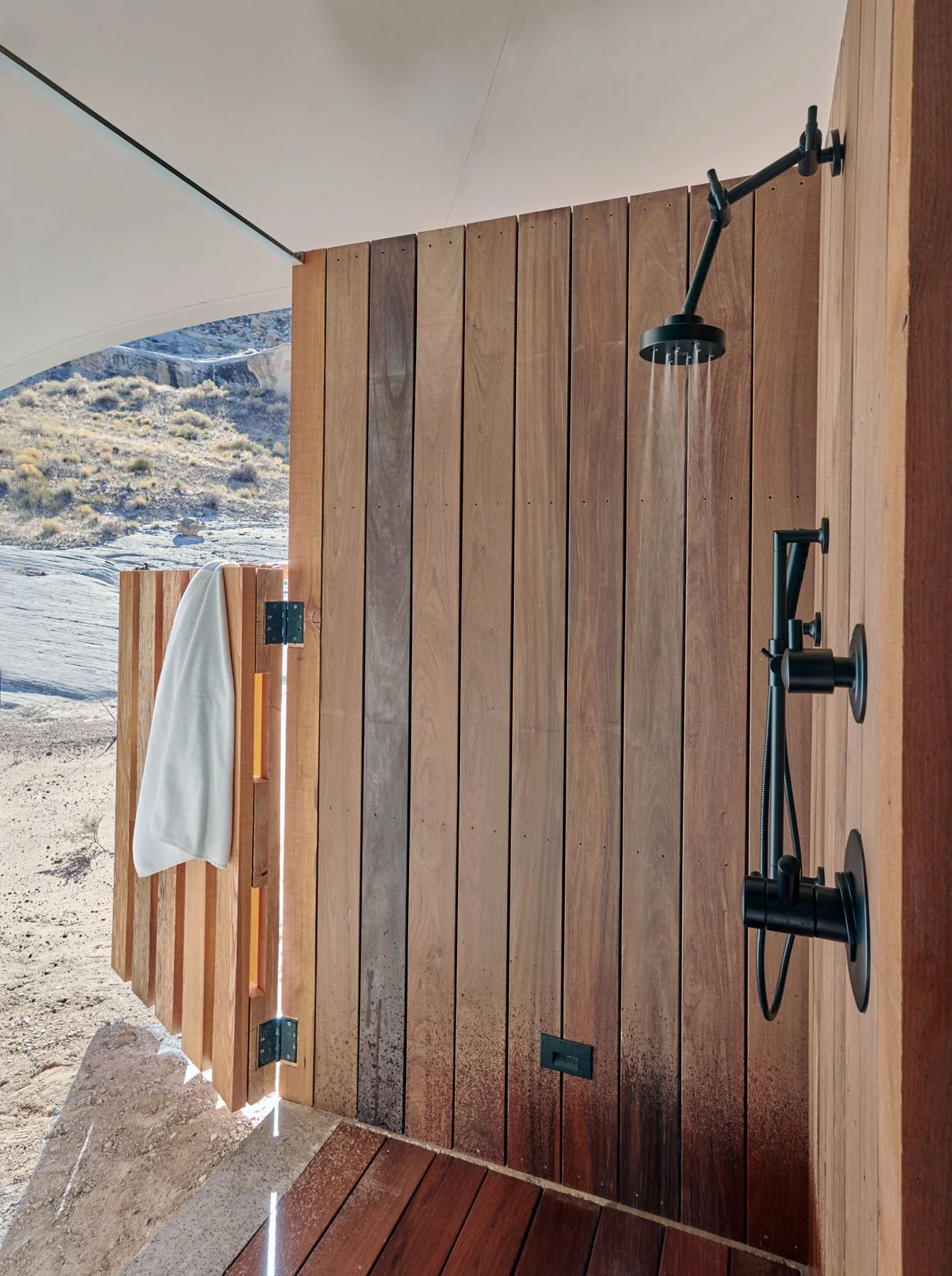


REFERENCES
1. Kellert, S.R., & Wilson, E.O. (1993). The Biophilia Hypothesis. Island Press.
2. Ulrich, R.S. (1984). View through a window may influence recovery from surgery. Science, 224(4647), 420-421.
3. Park, B.J., et al. (2010). The physiological effects of Shinrin-yoku (taking in the forest atmosphere or forest bathing). Environmental Health and Preventive Medicine, 15(1), 18-26.
4. Berman, M.G., et al. (2008). The cognitive benefits of interacting with nature. Psychological Science, 19(12), 1207-1212.
5. Bratman, G.N., et al. (2012). The impacts of nature experience on human cognitive function and mental health. Annals of the New York Academy of Sciences, 1249(1), 118-136.
6. Buxton, R.T., et al. (2021). A synthesis of health benefits of natural sounds and their distribution in national parks. Proceedings of the National Academy of Sciences, 118(14), e2013097118.
7. Mooventhan, A., & Nivethitha, L. (2014). Scientific evidence-based effects of hydrotherapy on various systems of the body. North American Journal of Medical Sciences, 6(5), 199-209.
8. Okamoto-Mizuno, K., & Mizuno, K. (2012). Effects of thermal environment on sleep and circadian rhythm. Journal of Physiological Anthropology, 31(1), 14.
9. All, A.C., et al. (1999). Therapeutic horseback riding. Nursing Clinics of North America, 34(2), 399-412.
10. Herz, R.S. (2009). Aromatherapy facts and fictions: A scientific analysis of olfactory effects on mood, physiology and behavior. International Journal of Neuroscience, 119(2), 263-290.
11. Sowndhararajan, K., & Kim, S. (2016). Influence of fragrances on human psychophysiological activity. Science of the Total Environment, 566, 921-927.
12. Carlsen, M.H., et al. (2010). The total antioxidant content of more than 3100 foods, beverages, spices, herbs and supplements used worldwide. Nutrition Journal, 9(1), 3.
13. Yahfoufi, N., et al. (2018). The immunomodulatory and anti-inflammatory role of polyphenols. Nutrients, 10(11), 1618.

Related Articles
Mental Health Retreats: Embrace Nature, Peace of Mind and Rejuvenation
Design Tips for Creating a Mental Health Refuge

The Water Shed: A Sanctuary of Sustainable Luxury