From Biophilic to Therapeutic: A New Framework for Analyzing Your Living Spaces
Written by Dorothy Huntsman, Edited by McKenzie Lunt
How intentional aromatherapy transforms spaces into healing environments
Does Your Beautiful Space Actually Support Your Health?
What happens when we examine a biophilic space through the eyes of chronic illness? A revealing case study in healing design and intentional adaptation.
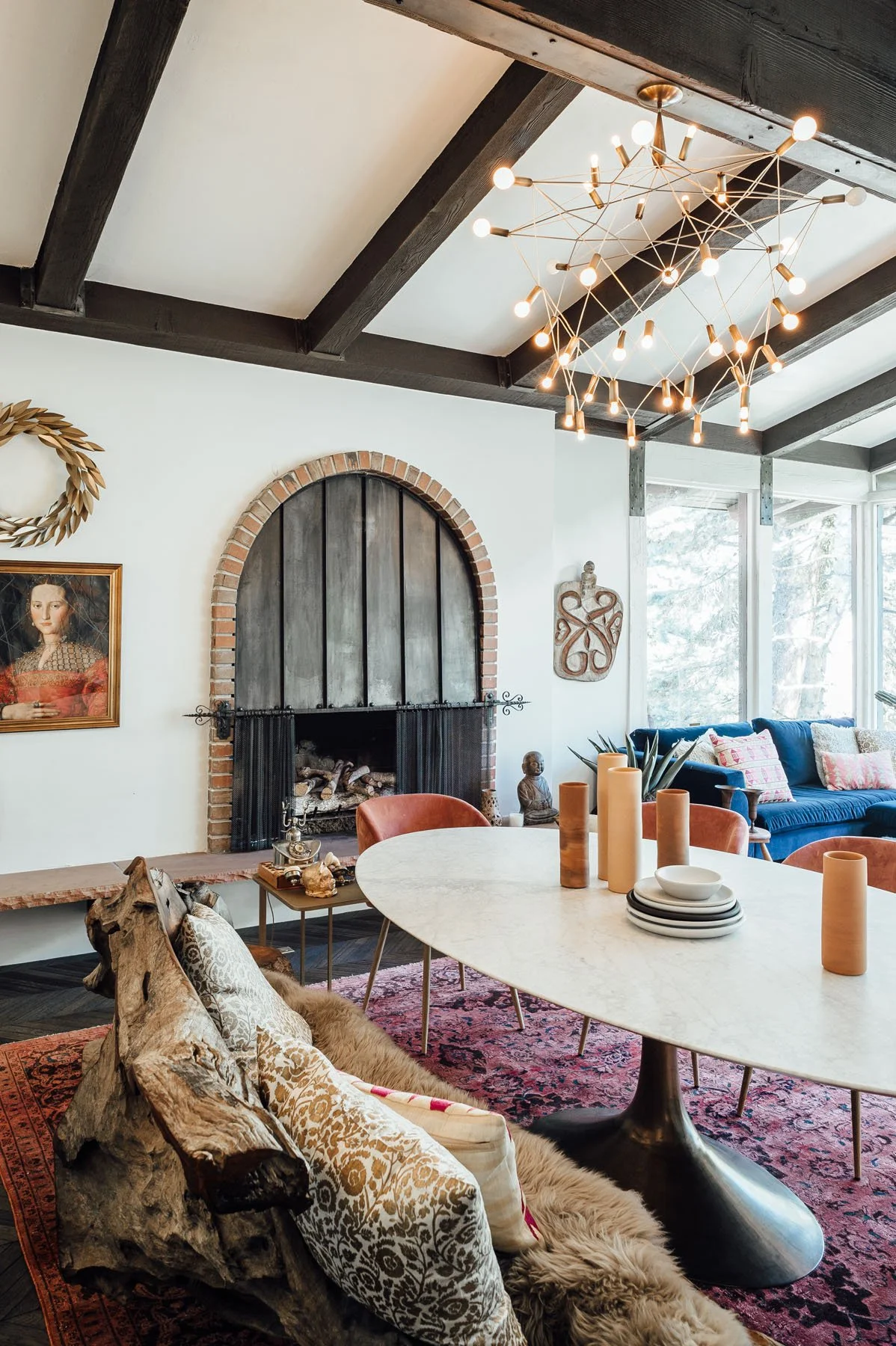
Let's start with transparency: this award-winning, magazine editorial featured living room wasn't designed as a therapeutic space. Created before chronic illness entered my life, it was simply meant to be a beautiful, nature-inspired home. But that's exactly what makes this analysis so valuable.
By examining this space through the lens of various chronic conditions - depression, anxiety, chronic pain, and migraine -we can understand how biophilic design naturally supports health, where it falls short, and how to adapt existing spaces for specific therapeutic needs.

The Wins: What Works Without Trying
Universal Therapeutic Elements
Looking at this space through fresh eyes, certain design choices align with therapeutic principles:
1. Natural Light Abundance
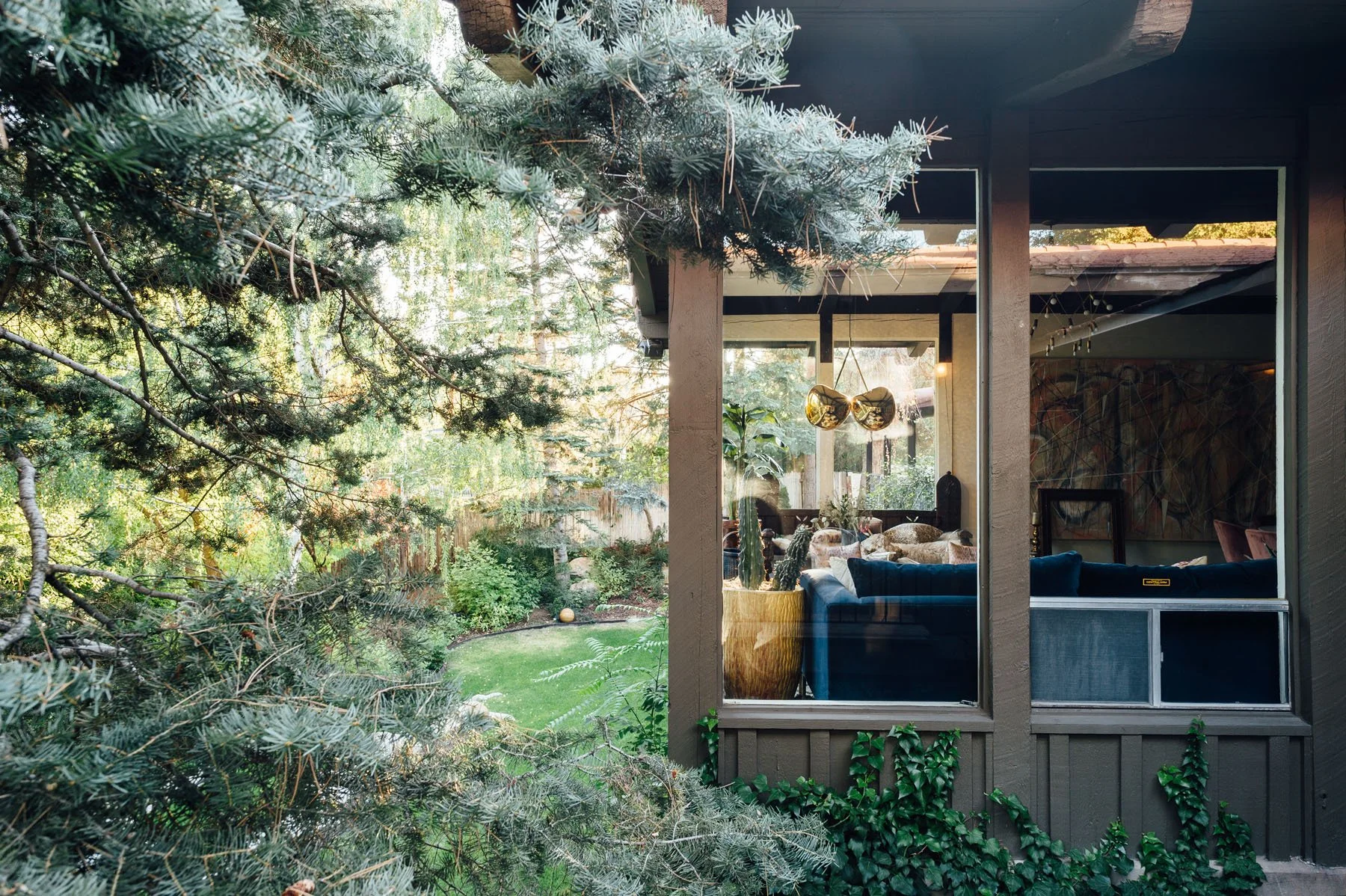
Those floor-to-ceiling windows weren't installed for seasonal affective disorder, but they accidentally create one of the most powerful depression interventions available. Research shows that exposure to natural environments creates significant, measurable improvements in positive mood, both lifting happiness and reducing anxiety, stress, and sadness. We're talking about changes that can be as powerful as medications, just from having a view of nature. In fact, effects on stress markers like cortisol and improving mental health are well documented in research literature (Associations between Nature Exposure and Health, 2021).
2. Natural Materials as a Foundation for Calm
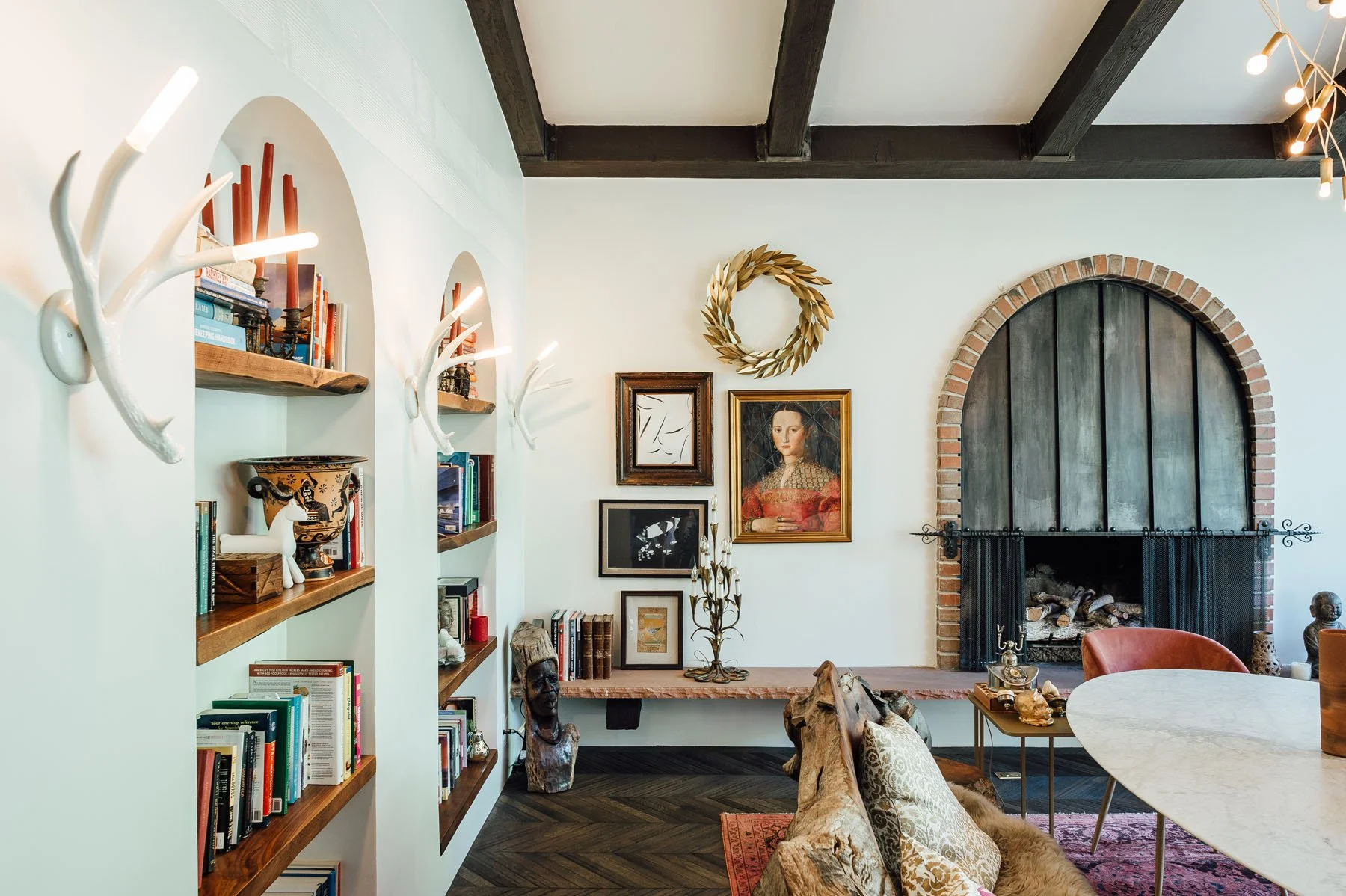
The raw wood, stone, and natural fibers create what researchers call "soft fascination", an effortless, gentle engagement of attention that restores the mind without overwhelming it (Attention Restoration Theory: Exploring the Role of Soft Fascination and Mental Bandwidth, 2018). This works across multiple conditions without being specifically targeted.
3. Visual Complexity with Order
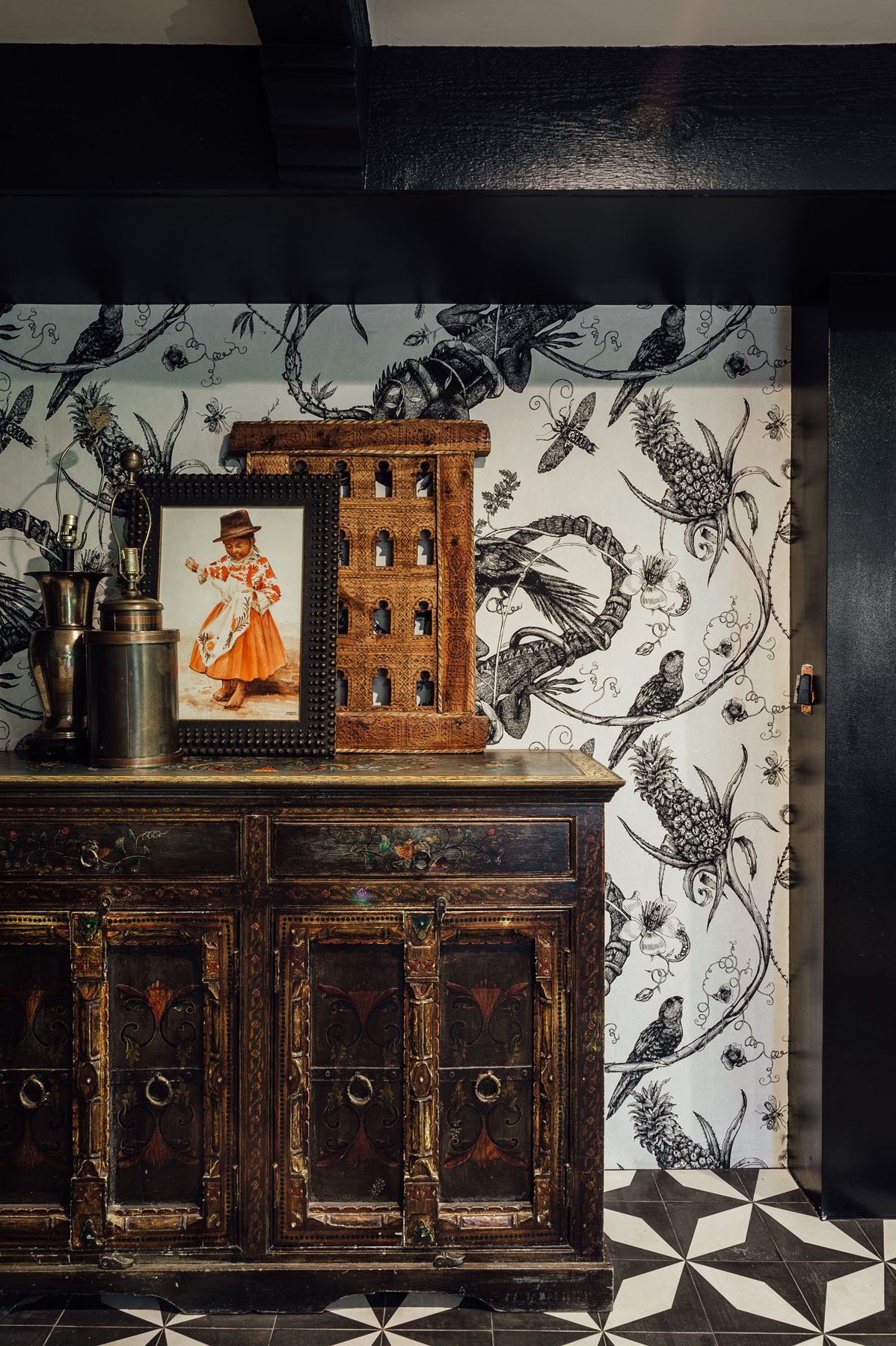
The layered textures and organic patterns accidentally follow biophilic principles that reduce stress across the board. No prescription needed.
Condition-Specific Analysis: Where Design Meets Disease
What Works - absolutely everything. This room could be designed today for depression:
Abundant daylight: Natural antidepressant effect
Warm gathering spaces: Combats isolation
Multiple seating areas: Encourages movement when motivation is low
Living plants: Provides purpose and connection to life
The fireplace: Creates a focal point for mindfulness
Views to Nature: Could not be improved upon
Leverage Passive Solar Design: harnesses the sun’s seasonal patterns optimizes health benefits
Pink dining chairs: Actually perfect—pink's wavelength has been shown to lift mood
What Needs Adaptation:
Automated Lighting: Integrating automated circadian lighting conditions
Maintenance burden: Those gorgeous plants require upkeep that can overwhelm someone in a depressive episode - dead plants are a mood killer.
Missing element: No dedicated bright light therapy corner for winter months
The Prescription: Add automated circadian lighting for winter months, invest in low-maintenance plants (or quality faux ones), and create a morning light ritual space.
For Depression: The Happy Accidents

For Anxiety: Beautiful But Overstimulating
What Works:
Natural materials: Inherently grounding
Clear sightlines: The open floor plan between living and dining reduces hypervigilance, you can see all exits
Organic shapes: The oval dining table and curved furniture calm the nervous system
The fireplace: Provides a meditative focal point visible from dining area
Flow between spaces: Easy retreat from dining to living area if social meals become overwhelming
What Needs Adaptation:
The chandelier: That geometric complexity could trigger visual overwhelm during panic attacks
Multiple patterns: The mix of textures, while beautiful, might be too much sensory input
Open floor plan: Lacks "refuge spaces" for anxiety attacks
Color intensity: Even these muted tones might feel too stimulating during excessive worries and restlessness
Dining chair design: A more grounding comfortable chair could provide the firm grounding some need during anxiety
The Prescription: Create a designated "calm corner" (aka refuge) with minimal stimulation, replace high patterned art with noise-dampening (but artful) elements, consider dimmable warm lighting only, table lamps, and remove some decorative elements to create a calming experience.


For Chronic Pain: Comfort Meets Challenge
What Works:
Varied seating heights: Accidentally perfect for changing position between living and dining areas
Soft textures: Provide comfort and sensory distraction fostering mindfulness
Fireplace: Radiant heat helps muscle tension
Open layout: Allows for movement and stretching
Oval table: No sharp corners to bump into on high pain days
Multiple chair options: Can choose between dining chairs and living room seating for meals
What Needs Adaptation:
That gorgeous live-edge bench: Beautiful but potentially uncomfortable for extended sitting
More fresh flowers: Fresh flowers measurably reduce pain
Reaching required: Items stored high or low create challenges
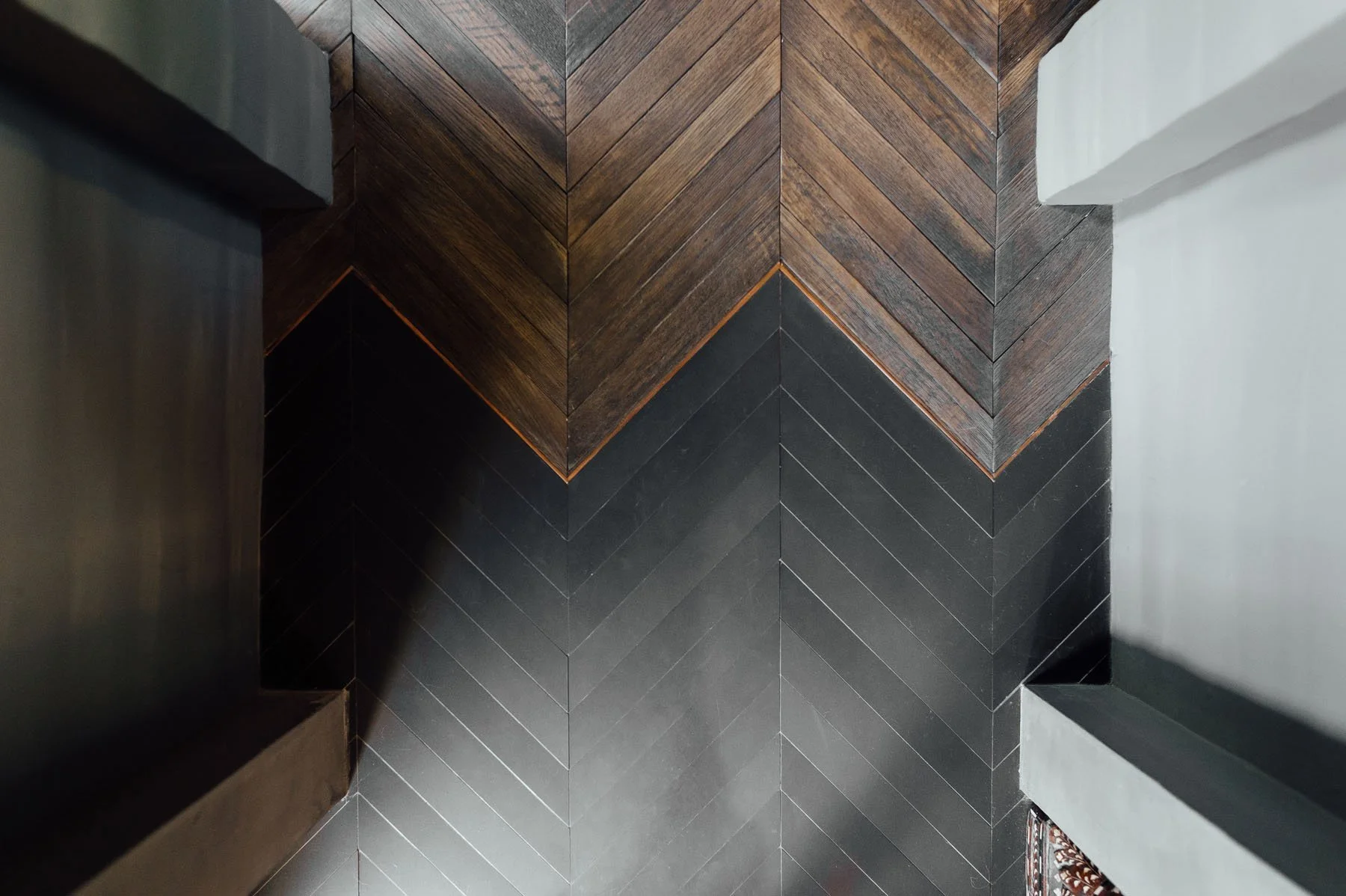
Hard flooring: Needs more cushioning for joint protection
Pink velvet chairs: Soft but may lack proper lumbar support for dinner parties
The Prescription: Add ergonomic support cushions for dining chairs, ensure condiments and frequently used items stay on the table (beautiful containers!), add plush area rugs especially under the dining table for standing relief, consider one adjustable-height chair for bad days, keep heating pads accessible but hidden in a lovely basket, and bring in more opportunities for fresh flowers.
To explore how therapeutic home environments can be created for specific health conditions view this article
For Migraine: Light and Shadow Dance
What Works:
Warm color temperature: Less likely to trigger photophobia
Natural materials: Low VOC emissions reduce triggers
Multiple lighting sources: Allows for customization
What Needs Adaptation:
No blackout option: Those stunning windows become enemies during an attack
Geometric patterns: Could trigger visual auras
Chandelier complexity: Too much visual stimulation
Reflective surfaces: Create glare that can trigger attacks
Open floor plan: Cooking smells from nearby kitchen can trigger nausea during migraine
Sound travel: Dining conversation echoes in open space, problematic for phonophobia
The Prescription: Consider replacing the geometric chandelier with something organic and simple, add a beautiful table runner to reduce glare, use unscented candles only, ensure that you position one dining chair facing away from windows for light-sensitive days, add anti-glare films to windows, create zones of lower visual complexity, and add a table lamp as a source of green LED light..


If I Knew Then What I Know Now
If I were designing this space today with chronic conditions in mind, here's what would change:
Universal Modifications
Lighting control: Every light on dimmers with automated circadian lighting, separate controls for living and dining zones
Flexibility built-in: Furniture on casters for bad days, lightweight dining chairs that are easy to move
Hidden healthcare: Beautiful storage for medications, heating pads, etc., including a sideboard that doubles as medical supply storage
Technology integration: Voice controls for everything, "Alexa, dim the dining lights"
Aromatherapy: Embed built‑in aromatherapy scent delivery
The Bigger Picture: A New Design Philosophy
This analysis reveals something profound: good biophilic design is inherently therapeutic, but targeted therapeutic design requires deeper intention. The research on lifestyle interventions is usually limited to patients' behavior change while generally excluding the context of their home environment.
We need a new framework that considers:
Baseline biophilic benefits (what helps everyone)
Condition-specific adaptations (targeted interventions)
Flexibility over perfection (spaces that evolve with needs)
Honest assessment (what works vs. what's just pretty)
Your Space Audit: Questions to Ask
Looking at your own space through this lens:
Depression Check:
Where does natural light hit throughout the day?
Are there spots that encourage movement?
What requires too much maintenance when you're struggling?
Anxiety Check:
Where can you retreat when overwhelmed?
What patterns or objects create visual noise?
Are there clear paths to exits?
Pain Check:
Can you access everything without strain?
Are there multiple comfortable positions available?
Where can you apply heat/cold easily?
Migraine Check:
Can you control every light source?
What might trigger visual disturbance?
Can you achieve complete darkness?
The research on lifestyle interventions is usually limited to patients' behavior change while generally excluding the context of their home environment.
The Evolution Continues
This living room taught me that spaces designed with love and natural principles have inherent healing qualities. But it also showed me that true therapeutic design requires:
Honest assessment of what works vs. what's aesthetic
Flexibility to adapt as conditions change
Integration of medical needs without sacrificing beauty
Recognition that one size never fits all
Transforming residential spaces into therapeutic interior environments can be accomplished through combining biophilic design with design features fostering self-care practices.
In a related piece, I share the story that first pushed me into this work - how a mold-sniffing dog uncovered a hidden room in my home that was making me sick, and how healing began when I reimagined my space with intention.

Moving Forward: Your Therapeutic Home Journey
Start here:
Assess honestly: What in your space helps or hinders your specific conditions?
One change: Pick the biggest pain point and address it first
Track impact: Document how changes affect symptoms over time
Share findings: Build the evidence base for therapeutic home design
The beauty of this approach? You don't need to start from scratch. Every space has therapeutic potential waiting to be unlocked. Enjoy! []

What accidental therapeutic elements exist in your space? Share your discoveries and let's build a movement.
💬 Join Our Community
What therapeutic elements exist in your space? Share your discoveries and let’s build a movement. We feature reader experiences in our magazine and on Instagram.

Related Articles

The Power of Lighting for Mental Health

DIY Windchimes for a Biophilic Soundscape

How Biophilic Interior Design Supports Mental Health