
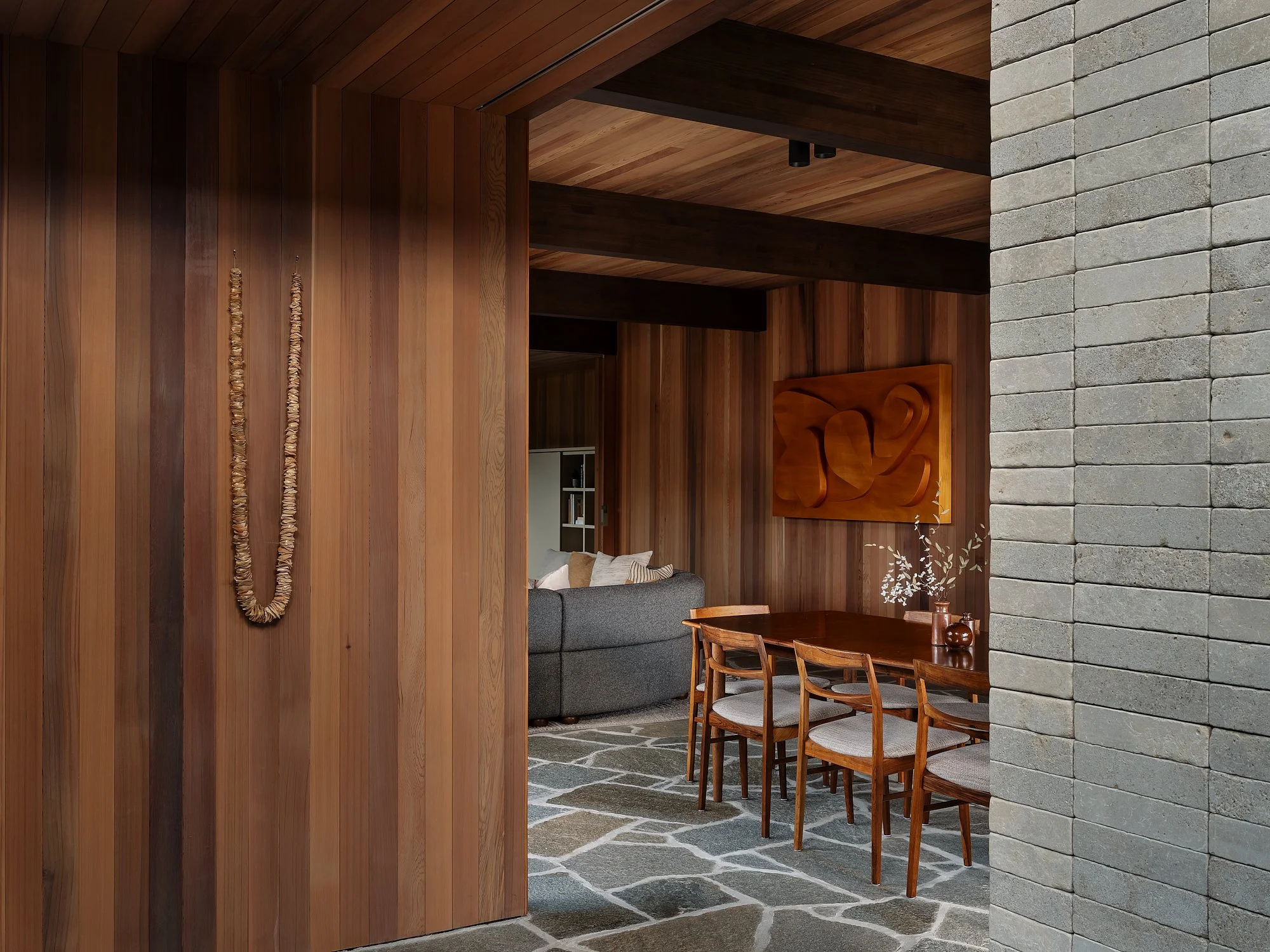

Your Home Is Medicine: The Science of Healing Spaces
at.space and MAUD
Written by Dorothy Huntsman, Edited by McKenzie Lunt
What if your doctor's next prescription wasn't a pill, but a therapeutic home environment? What if your home could regulate your nervous system the way a prescription drug does? For Dr. Grzegorz (Greg) Bulaj, these aren’t questions — they are the future of how we utilize the home environment in the practice of medicine. This researcher, who founded a spinoff company from the University of Utah, OMNI Self-care, has synthesized decades of scientific studies to propose a revolutionary approach: transforming our homes into therapeutic tools for chronic conditions, such as chronic pain, depression and migraine, to name a few. This innovative framework started with a biochemist who challenges a notion that pharmaceutical drugs are the only way to heal.
A related piece looks at what it actually feels like to live in a space that supports your healing. especially after a diagnosis.
The Visionary: Seeing Solutions "Ahead of Time"
Dr. Bulaj has always been able to see “unique” solutions that come from unexpected sources. It's a skill that started in his childhood, growing up in communist Poland in the late 1960s, '70s, and early '80s, a world defined by scarcity and rigid systems that dictated what was possible. But Greg never accepted that the world had to stay the way it was. He had a way of seeing what could be, rather than what was.
This courage to think and act independently was forged early. In his youth, Greg risked time in prison creating and distributing underground materials that told his fellow Poles about resistance movements going on around his home town, proof that others were standing up, fighting for change, despite what the communist government's propaganda claimed.
This same fierce independence would shape his entire approach to science. Whether tackling a challenge of delivering new drugs through an impenetrable “blood-brain barrier”, or improving chemotherapy for cancer using video games, his unconventional ideas became patented technologies.
After completing his PhD in biochemistry and establishing himself as a researcher in drug discovery at the University of Utah, Greg began asking questions others wouldn't: What if healing didn't have to come only in pill form? What if the environment around - in the form of sound, light, space - could be an integral part of medicine? These questions would lead him from traditional pharmacology into unexplored territory.
That visionary thinking revolutionized how we think about healing, not through pills alone, but through music, digital apps, and ultimately, the very spaces we inhabit.

The Mozart Breakthrough: When Music Becomes Medicine
In 2013, Greg made a discovery that would challenge the pharmaceutical world. During his sabbatical, he connected two seemingly unrelated dots: (1) clinical research on how specific Mozart compositions can reduce seizures in people with epilepsy and (2) the FDA authorization of a mobile app (BlueStar) for diabetes management. His idea sounded something like this: “You cannot have FDA-approved Mozart music, BUT you can have an FDA-approved mobile medical app that delivers the Mozart music. Such a mobile app can now be integrated with antiseizure medications as a drug+digital combination therapy for epilepsy”. He published this innovative approach in Frontiers in Neurology in 2014, and then started a new company to develop this technology.
Subsequently, after working with a team of collaborators, including musicians and neuropharmacologists, they showed that specific Mozart compositions could significantly enhance the activity of pain medication as well. "Music is a sequence of repeated notes, just like DNA," Bulaj explained. “These musical compositions were analyzed like DNA sequencing in genome research.” [2].
learn how We’ve also explored how other senses — like smell — can be just as impactful when layered into the home with intention.

With the findings of these studies, the team created a prototype web-based app that could deliver these therapeutic compositions to epilepsy. As a result, a prototype of Software as Medical Device (SaMD) product transformed what had been considered "music therapy” into a potential FDA-regulated medical treatment [3]. While the world wasn't quite ready, Greg had once again seen the future: digital therapeutics that could improve the effectiveness of prescription medications.
Another project involved a video game designed for children undergoing chemotherapy. The game seamlessly integrated physical activity, mental empowerment, and medical treatment into a single therapeutic experience.
Today, digital health technologies and drug-device combinations are becoming mainstream. But Greg was already building them before most people knew they existed. Because for him, innovation has never been about chasing trends, it’s been about solving deeply personal, deeply human needs.
His next breakthrough? One that may transform how we think about wellness itself: the home as medicine.
The Synthesis: Connecting the Dots Between an Environment and Health
In 2022, Greg co-authored a groundbreaking paper with Dorothy Day Huntsman that took a bold leap. They synthesized decades of research on biophilic design, nature-inspired healing environments, environmental psychology, self-care practices and health outcomes to propose something revolutionary: What if we could intentionally design home environments as adjunctive therapeutic interventions for specific chronic conditions?
Their paper, published in the International Journal of Environmental Research and Public Health, didn't present new experiments, it did something arguably more important. It connected disparate fields of research to create a framework for therapeutic home design [4]. Healthy Dwelling explored a radical yet intuitive idea: if music could be medicine, if apps could be medicine - could the home also help you heal?
Author's Note: When Dr. Bulaj and I synthesized this research, I was living it, managing chronic migraines in a home I'd redesigned using these exact principles. The 98% reduction in my medication needs isn't just a statistic. It's my life. — Dorothy Huntsman

The logic is compelling:
Patients with views of trees recover faster than those facing a blank wall. They experience less pain, use fewer medications, and leave the hospital sooner [7].
Just 90 seconds of touching natural wood can lower your heart rate and increase feelings of calm [8].
Lavender oil isn’t just soothing — it’s clinically proven to reduce anxiety, and, in some trials, performs as well as prescription medications [9].
Even watching scenes of nature can reduce physical pain during treatment [10].
Natural light at home improves mood, reduces depressive symptoms, and helps regulate your sleep cycle [11].
Indoor plants improve cognitive performance by up to 15%, while simultaneously purifying air and reducing stress [12].
So, why aren’t these elements part of your health care plan?

Nicholas Elia
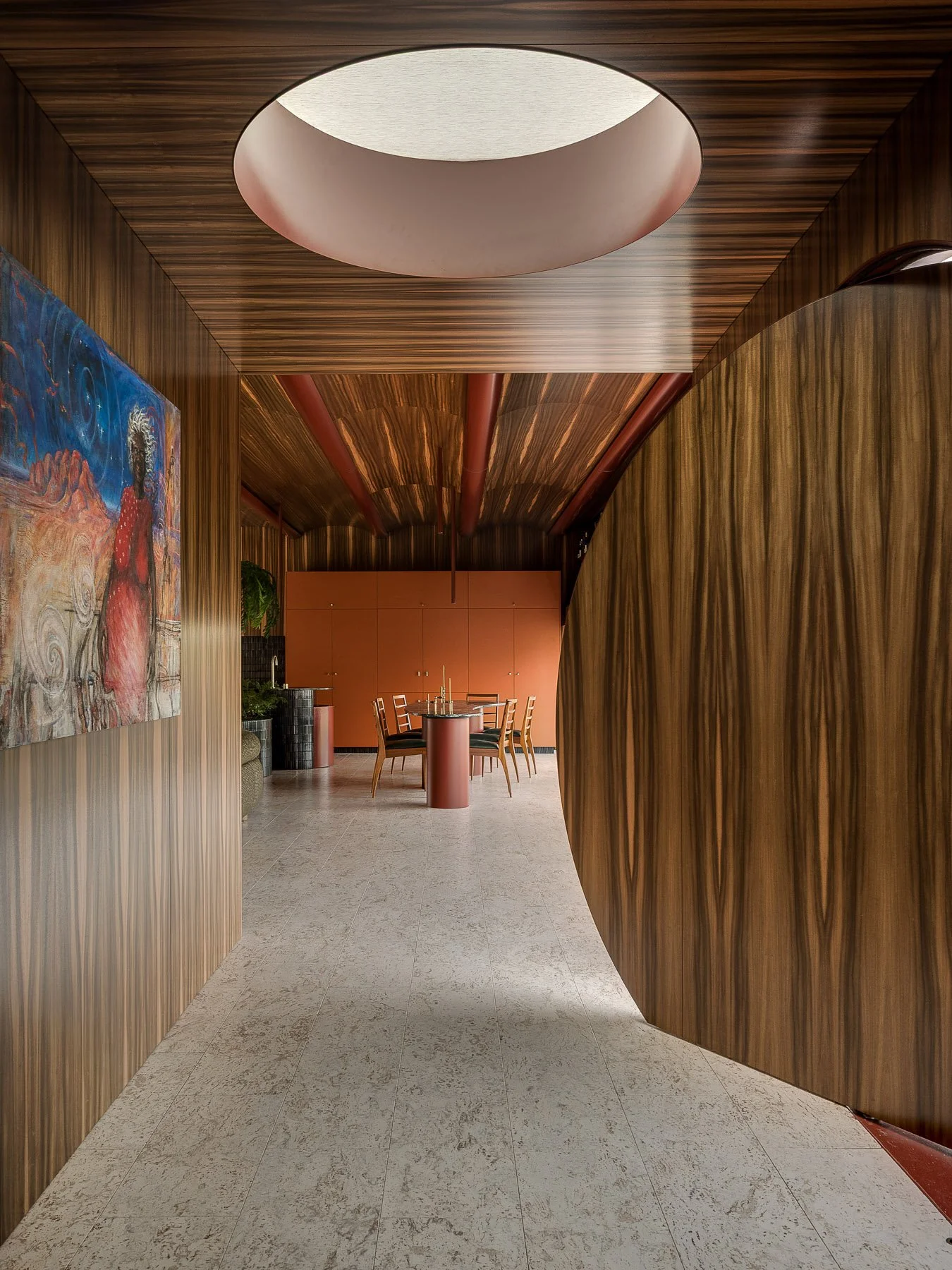
Nicholas Elia
These ideas show up in simple ways - from the chairs we sit in to the plants we grow.
The Science: What Existing Research Tells Us
The synthesis of studies described in the “Healthy Dwelling” article revealed compelling evidence from multiple studies showing that biophilic design, intentionally connecting indoor spaces with nature and natural elements, creates measurable health benefits:
Reduce physiological stress indicators including heart rate, blood pressure, and muscle tension
Improve autonomic function, increasing parasympathetic activity (the "rest and digest" response)
Accelerate healing and recovery rates
Restore attention and improve cognitive function
Boost mood and emotional well-being
The Power of Multi-sensory Design:
Our five senses - sight, sound, smell, touch, and taste - are how we experience the world. And increasingly, science shows they’re also how we heal.
Take vision: the simple act of looking at natural forms - trees, water, even wood grain - has been shown to lower blood pressure, regulate heart rate, and improve cognitive function. The 14 Patterns of Biophilic Design report identifies visual connection to nature as the #1 pattern for a reason.
Check out how One hospital uses this exact principle to reduce pain and improve outcomes.
Then there’s sound: water, bird songs, rustling leaves. These auditory cues create a sonic environment that calms the amygdala and supports emotional regulation.
By reviewing research from around the world, Dr. Bulaj identified how healing effects multiply when engaging multiple senses:
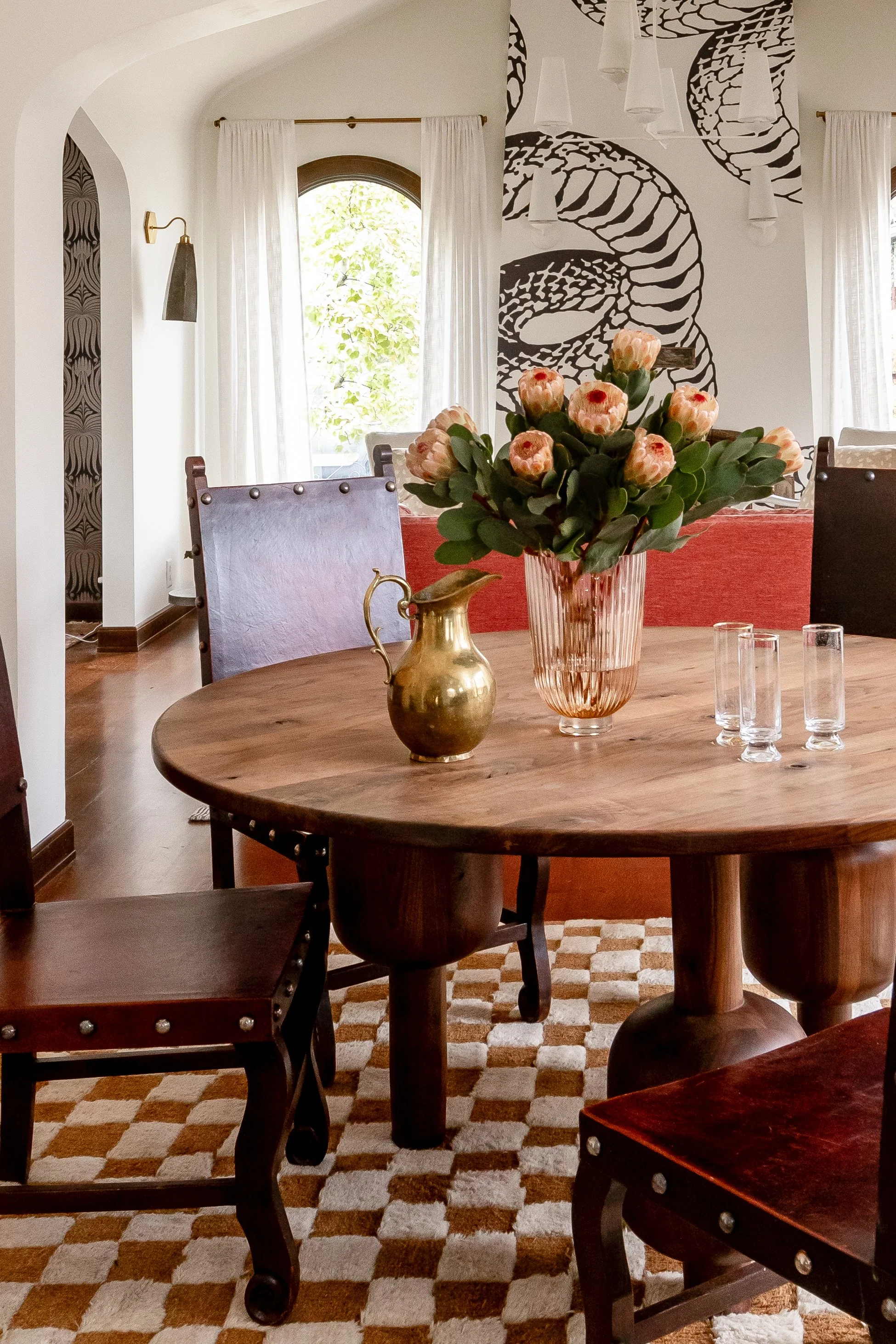
Wood Elements: Studies from Japan and Finland show that viewing wood grain patterns calms prefrontal cortex activity, while touching wooden surfaces increases parasympathetic nervous system activity, promoting physiological relaxation.
Natural Scents: Research demonstrates that lavender can modulate the activity of ion channels and receptors, reducing anxiety and improving sleep. Jasmine has been shown to have sedative effects [5], while rosemary enhances cognitive performance.
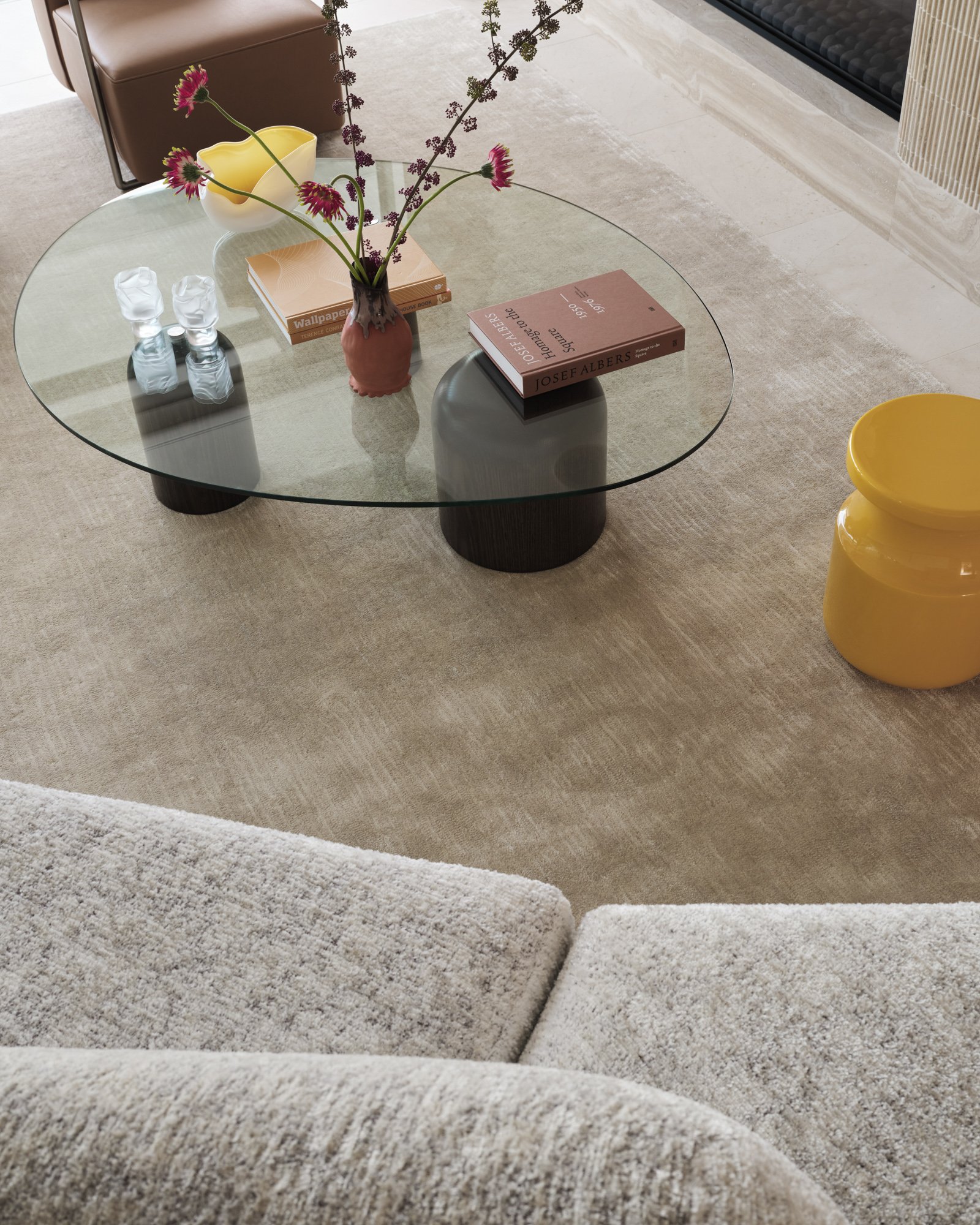
Alexandra Kidd Interior Design and Elton Group
Natural Sounds: Multiple studies confirm that water features and nature soundscapes regulate the autonomic nervous system, reducing cortisol levels and improving focus.

Designer: David Brenner Installation: Habitat Horticulture Photography: Garry Belinsky
The Vision: Designing for Specific Conditions
Building on existing research, Huntsman and Bulaj's papers propose how therapeutic home environments could be systematically created for specific health conditions [4, 6]. They synthesized findings from multiple fields to suggest targeted and personalized approaches:
For Migraines (based on photosensitivity and trigger research):
Optimized lighting systems uncluding green LED light, using photobiomodulation principles
Air quality management to reduce environmental triggers
Specific plant selections to improve recovery from stress
Sound environments that promote relaxation without overstimulation

For Depression (based on light therapy and nature exposure studies):
Maximized natural light exposure (targeting 10,000 lux in morning hours)
Biophilic elements that increase positive emotions and arousal
Activity-promoting spatial layouts
Connection to outdoor views
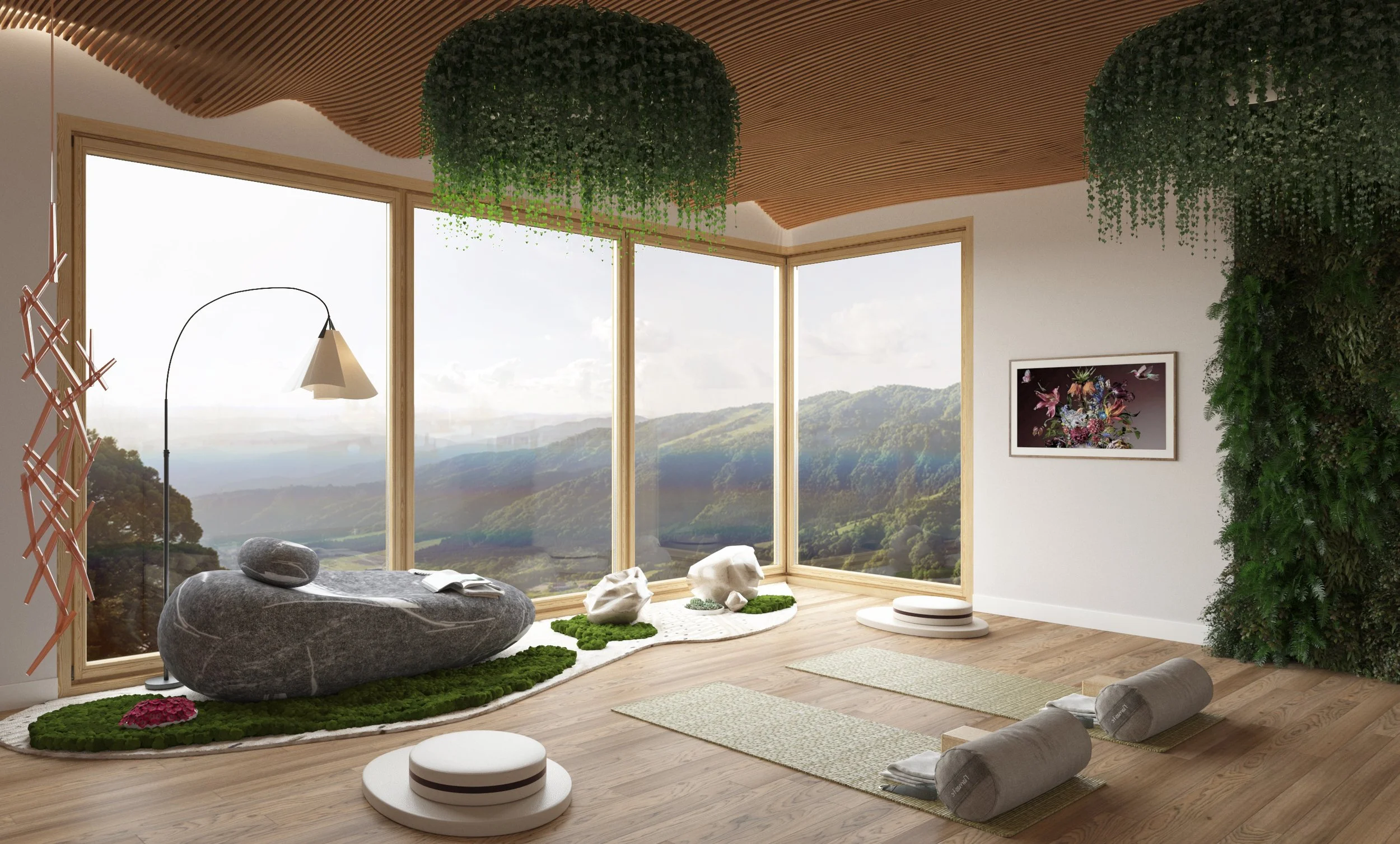
For Chronic Pain (based on stress-reduction and environmental comfort research):
Temperature regulation features
Ergonomic spaces enhanced with natural materials
Stress-reduction zones with water features
Mindfulness-promoting spaces
Movement-encouraging layouts

For a deeper dive into the science read: Healing by design and Healthy Dwellings: How Biophilic Interior Design Supports Mental Health
This synthesis represents a new way of thinking: taking proven environmental interventions and combining them to address specific health conditions.
The Proposed Mechanisms: How an Environment Could Become Medicine
Based on their synthesis of existing research, Bulaj proposes that therapeutic home environments could work through multiple biological pathways [6]:
Autonomic Nervous System Modulation: Studies show biophilic elements shift the body from sympathetic (fight-or-flight) to parasympathetic (rest-and-digest) dominance
Neuroplasticity Enhancement: Research indicates environmental enrichment stimulates brain-derived neurotrophic factor (BDNF) production
Anti-inflammatory Effects: Evidence suggests reduced stress and improved sleep quality lower inflammatory markers
Behavioral Activation: Studies demonstrate well-designed spaces naturally encourage healthy behaviors like movement and social interaction
Their innovation lies in proposing how these diverse mechanisms could be intentionally combined to target specific chronic conditions.
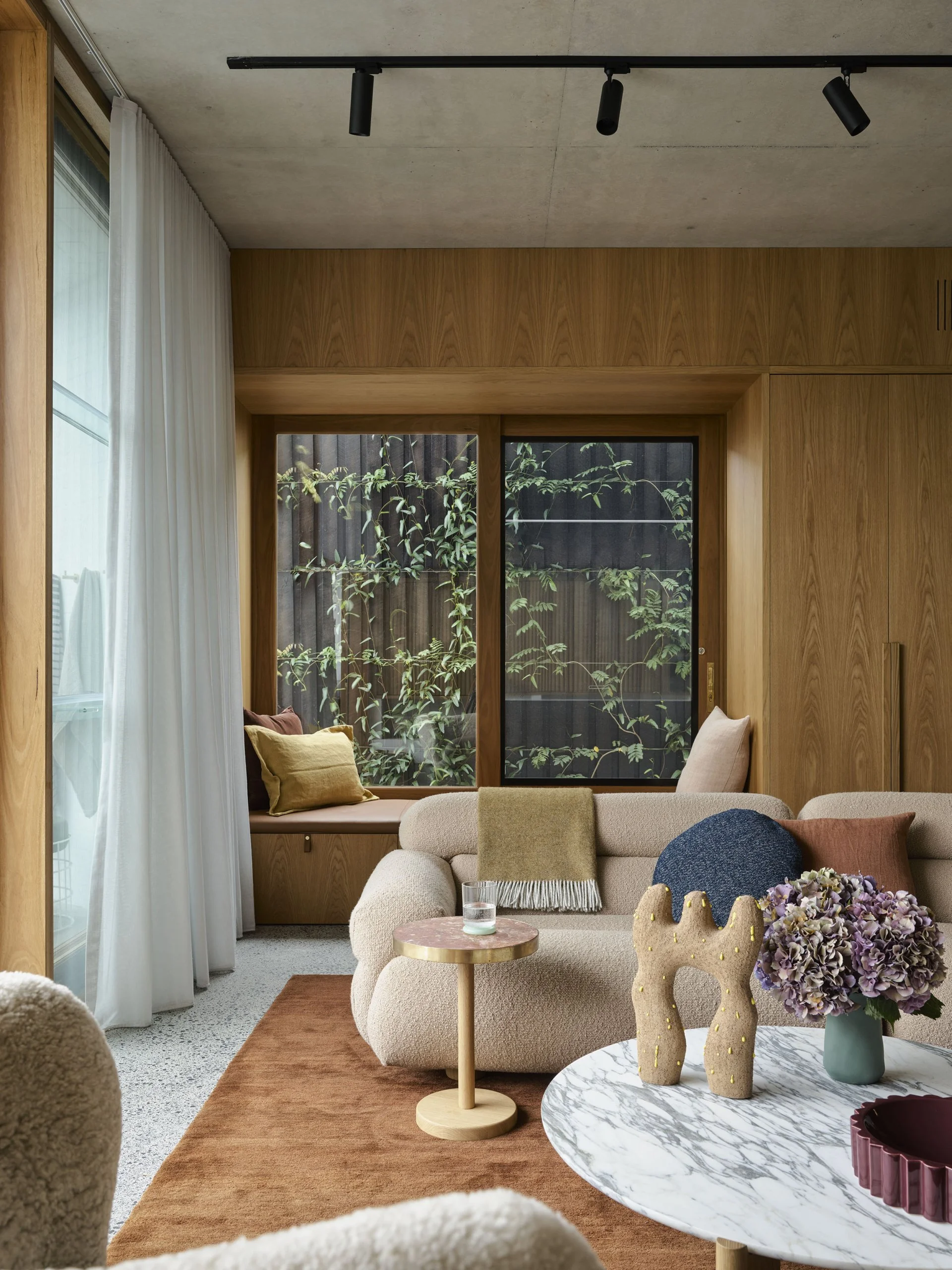
Studio Johnston Photography: Anson Smart
The Opportunity: From Research Synthesis to Public Health Impact
This synthesis of research represents more than academic theory, it points to a significant public health opportunity. With Americans spending on average 90% of their time indoors, and chronic disease rates soaring, the systematic application of therapeutic home environments could offer a scalable intervention.
Consider the statistics:
51.6 million US adults experience chronic pain
47 million have been diagnosed with depression
40 million suffer from migraines
If intentionally designed home environments can reduce symptoms by even a fraction of what the research suggests, the impact on healthcare costs and quality of life would be transformative. This is the vision Dr. Bulaj proposes: taking proven environmental interventions and applying them systematically.
Your “Prescription”: Evidence-Based Steps from the Research
Morning Light Protocol (For Depression & Sleep Disorders)
Position workspaces near east-facing windows
Add 10,000-lux therapy lights for cloudy days
Remove blinds or shutters blocking natural light
Take a 10-minute morning walk within an hour of waking to activate your circadian biology through natural light exposure.
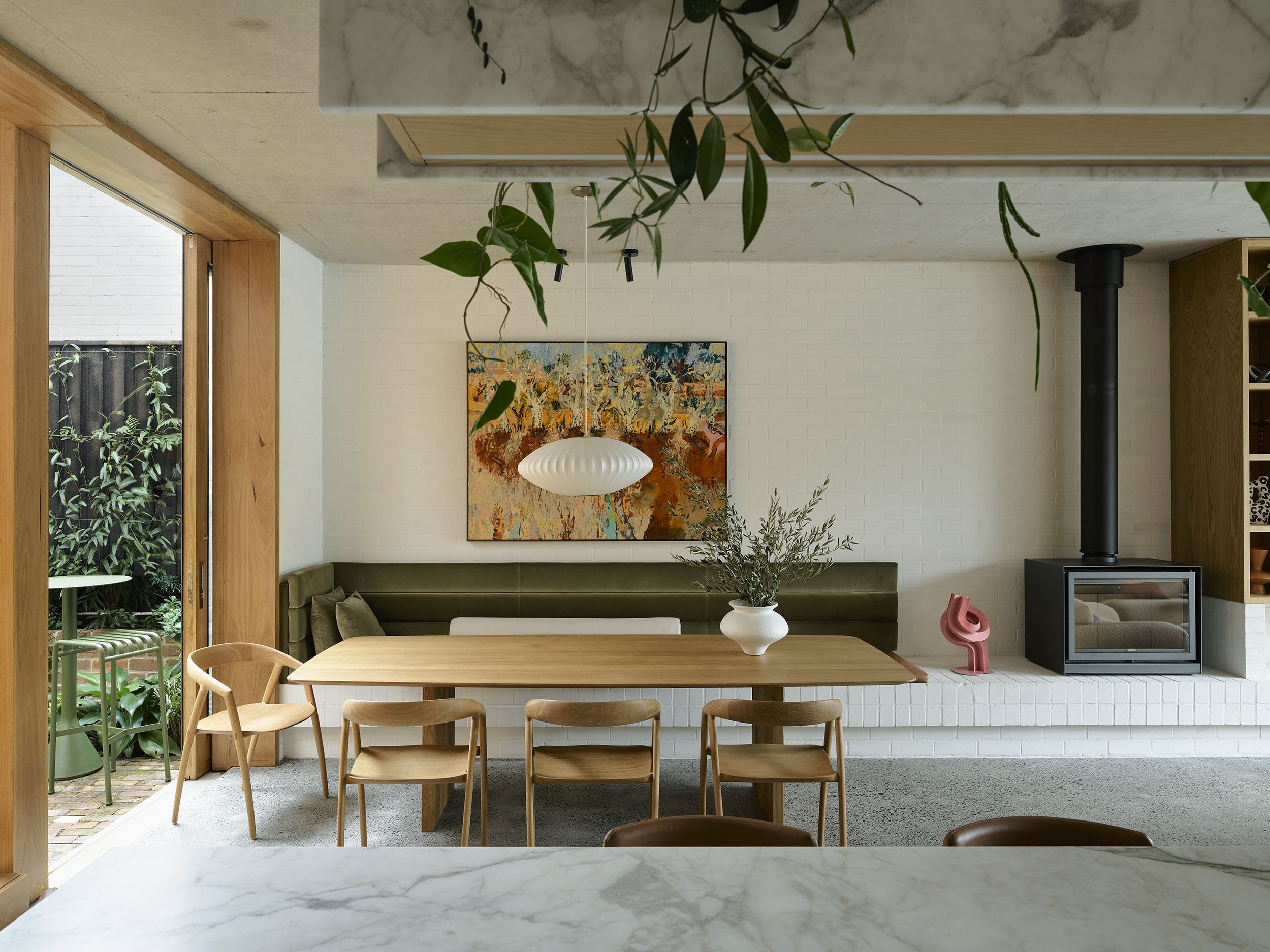
Studio Johnston Photography: Anson Smart
Multisensory Stress Station (For Anxiety & Chronic Pain)
Create a refuge space with peace lily, snake plant, or pothos
Add a tabletop fountain for water sounds
Include touchable wooden elements
Place lavender or jasmine for natural aromatherapy
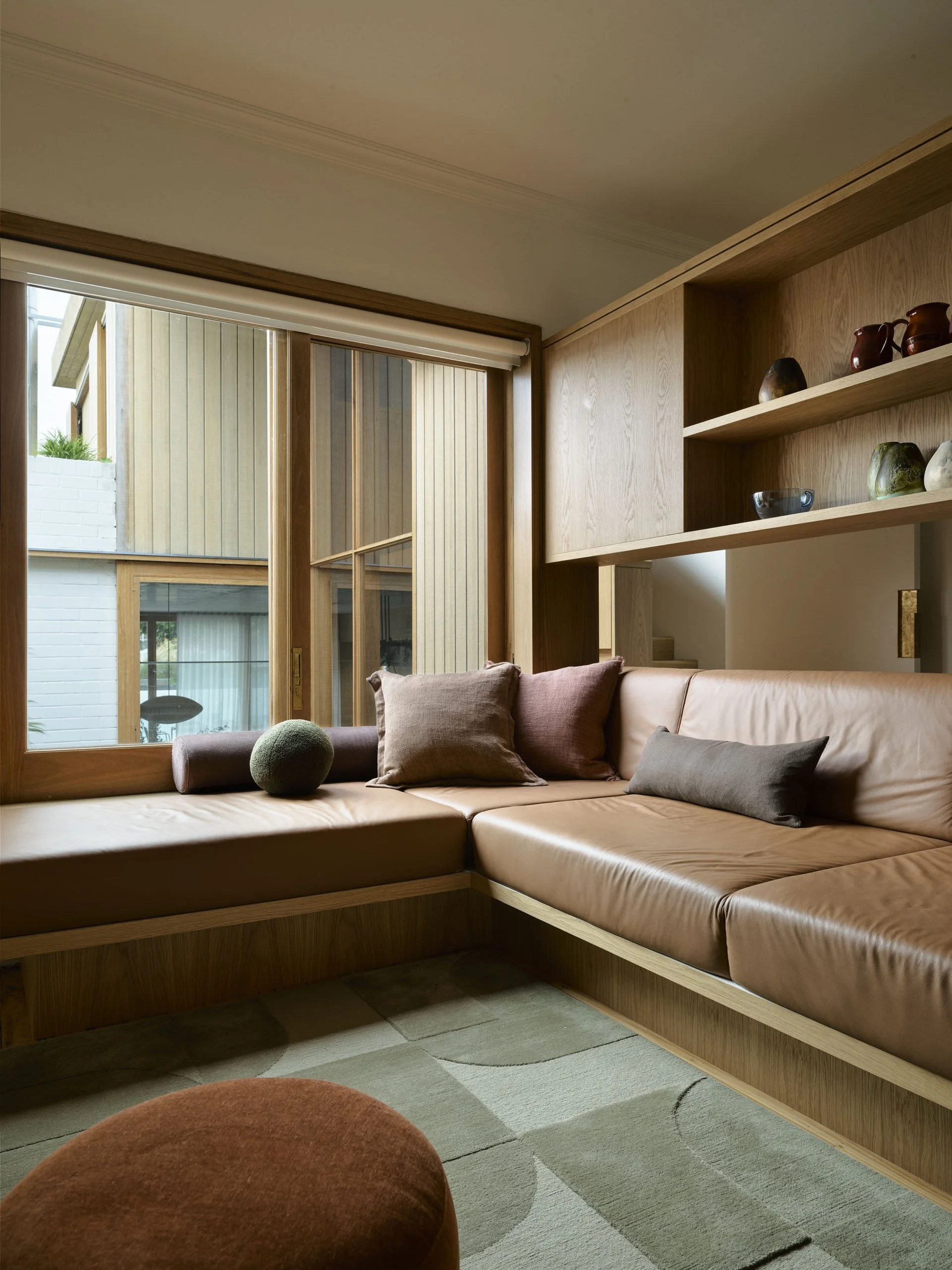
Studio Johnston Photography: Anson Smart
Evening Wind-Down Space (For Better Sleep & Recovery)
Design tech-free zones with warm, dim lighting
Use natural textiles (wool, cotton, linen)
Add oxygen-releasing decorative plants (orchids, succulents)
Diffuse calming essential oils
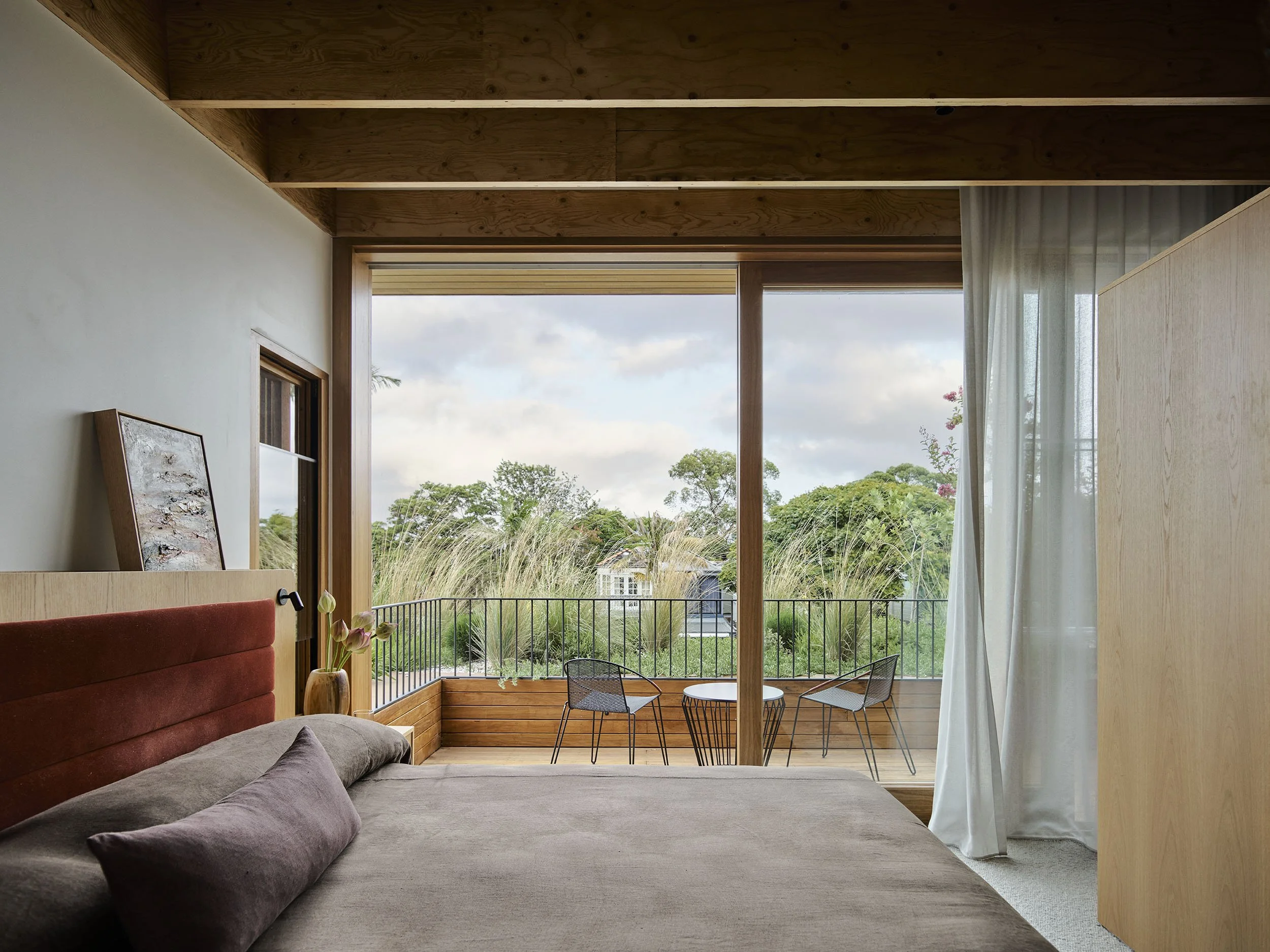
Studio Johnston Photography: Anson Smart
The Future: Design + Ecommerce + Digital Therapy
Greg’s newest invention in partnership with Dayhouse takes this vision even further. If Mozart could be packaged as a mobile medical app, what if aromatherapy and light therapy could be packaged into your “online shopping cart as medicine”?
With a patent-pending system developed alongside the Home Environment as a Therapeutic Target article, Greg is transforming biophilic design from a passive aesthetic into an active digital therapeutic, delivered through e-commerce.
Imagine logging into a platform where every item you browse has been tagged not just by style, but by therapeutic intent and the science behind it:
This sconce mimics sunlight to regulate your circadian rhythm.
This rug is made from natural wool to ground your sensory experience.
This air-purifying planter improves sleep by regulating humidity and reducing VOCs.
It’s a paradigm shift: prescriptions for wellness embedded in the objects you live with.
The Future of Healthcare Is Environmental
Greg spent the latter part of his scientific career promoting innate pathways to healing. From “Mozart as medicine” via digital therapeutics to homes as therapeutic modalities, he has consistently been at the forefront of healthcare innovation.
Digital therapeutics are now a billion-dollar industry. And biophilic design and neuroarchitecture? They’re becoming the standard in forward-thinking healthcare facilities worldwide.
As we face a chronic disease epidemic, the solution might not require more pills or procedures. It might be as simple, and as profound, as reimagining the spaces where we spend 90% of our lives.
The future of healthcare isn't just in hospitals or clinics. It's in your living room, your bedroom, your kitchen. And it starts with seeing your home not just as shelter, but as a healing and wellness space. Or, in other words, as “home is medicine”.

References
[1] Metcalf CS, Huntsman M, Garcia G, et al. Music-Enhanced Analgesia and Antiseizure Activities in Animal Models of Pain and Epilepsy: Toward Preclinical Studies Supporting Development of Digital Therapeutics and Their Combinations With Pharmaceutical Drugs. Front Neurol. 2019;10:277. https://doi.org/10.3389/fneur.2019.00277
[2] University of Utah Health. "Pairing music with medication offers potential therapeutic strategy to manage pain." ScienceDaily. March 27, 2019. https://www.sciencedaily.com/releases/2019/03/190327113617.htm
[3] Afra P, Bruggers CS, Sweney M, et al. Mobile Software as a Medical Device (SaMD) for the Treatment of Epilepsy: Development of Digital Therapeutics Comprising Behavioral and Music-Based Interventions for Neurological Disorders. Front Hum Neurosci. 2018;12:171. https://doi.org/10.3389/fnhum.2018.00171
[4] Huntsman DD, Bulaj G. Healthy Dwelling: Design of Biophilic Interior Environments Fostering Self-Care Practices for People Living with Migraines, Chronic Pain, and Depression. Int J Environ Res Public Health. 2022;19(4):2248. https://doi.org/10.3390/ijerph19042248 [This paper synthesizes existing research to propose therapeutic home design frameworks]
[5] Kuroda K, Inoue N, Ito Y, et al. Sedative effects of the jasmine tea odor and (R)-(-)-linalool, one of its major odor components, on autonomic nerve activity and mood states. Eur J Appl Physiol. 2005;95(2-3):107-114. https://doi.org/10.1007/s00421-005-1402-8
[6] Huntsman DD, Bulaj G. Home Environment as a Therapeutic Target for Prevention and Treatment of Chronic Diseases: Delivering Restorative Living Spaces, Patient Education and Self-Care by Bridging Biophilic Design, E-Commerce and Digital Health Technologies. Int J Environ Res Public Health. 2025;22(2):225. https://doi.org/10.3390/ijerph22020225 [This paper proposes frameworks for implementing therapeutic home environments through digital platforms]
[7] Ulrich, R.S. (1984). View through a window may influence recovery from surgery. Science, 224(4647), 420–421.
[8] Tsunetsugu, Y., Miyazaki, Y. (2005). Physiological effects of touching wood. Journal of Wood Science, 51, 136–140.
[9] Kasper, S., Gastpar, M., Müller, W.E., Volz, H.P., Möller, H.J. (2010). Lavender oil preparation Silexan is effective in generalized anxiety disorder. International Journal of Neuropsychopharmacology, 13(6), 773–782.
[10] Diette, G.B., Lechtzin, N., Haponik, E., Devrotes, A., Rubin, H.R. (2003). Distraction therapy with nature sights and sounds reduces pain during flexible bronchoscopy. Chest, 123(3), 941–948.
[11] Viola, F.C., James, P., Christiani, D.C. (2016). Association of natural light exposure with sleep and depression in older adults. JAMA Psychiatry, 73(12), 1209–1216.
[12] Nieuwenhuis, M., Knight, C., Postmes, T., Haslam, S.A. (2014). The relative benefits of green versus lean office space: Three field experiments. Journal of Experimental Psychology: Applied, 20(3), 199–214.
💬 Join Our Community
Has your home helped you heal, physically, emotionally, or mentally? Tell us about it. We feature reader experiences in our magazine and on Instagram.

Related Articles

Does Your Home Support Your Mental Well-being?

Pet’s Role in Alleviating Mental Health Issues

Lime Paint’s Environmental Renaissance