
Growing Medicine: The Therapeutic Power of Indoor Herb Gardens
Written by Audrey Nielson, Edited by McKenzie Lunt and Audrey Nielson
How cultivating healing plants transforms your kitchen into a wellness sanctuary
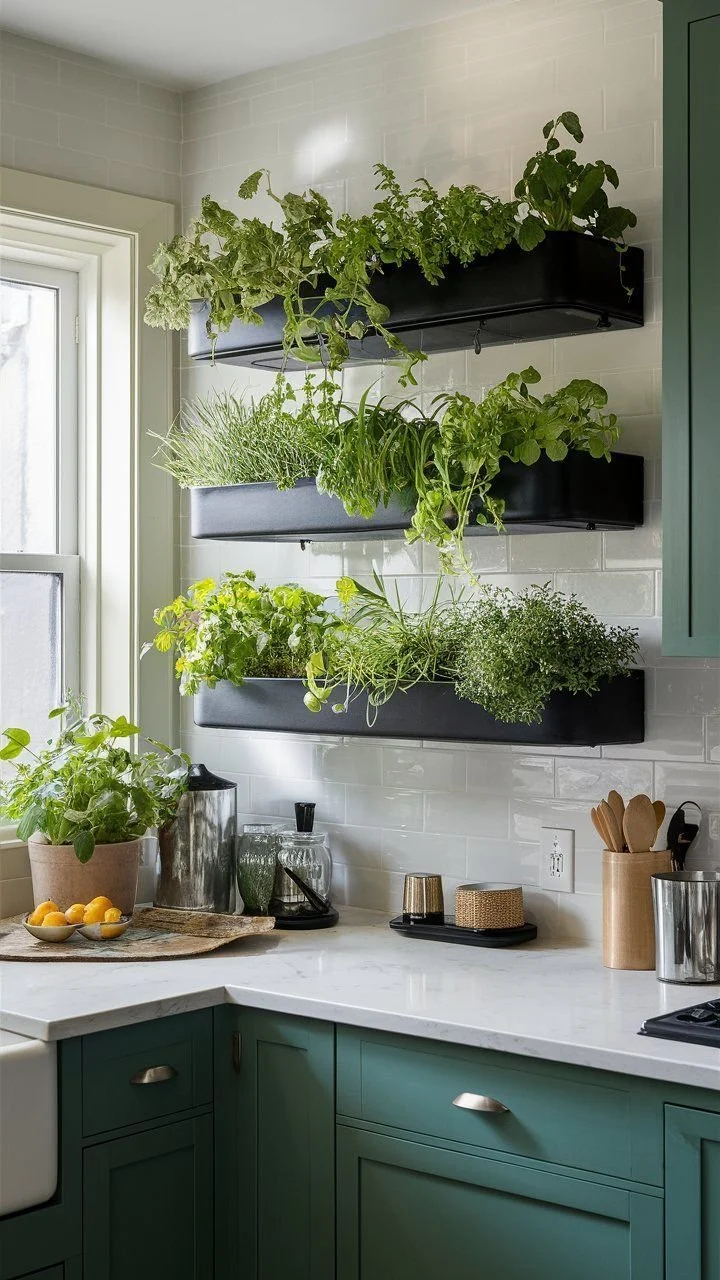
Imagine reaching for fresh basil, parsley, or rosemary right by your stove- no grocery trip needed, no wilting greens forgotten in the fridge. With a few simple steps, your kitchen can transform into a mini apothecary, bringing vibrant flavors, colors, and therapeutic medicine indoors, all year round.
An indoor herb garden isn’t just a kitchen enhancement- it’s environmental medicine in action. Growing herbs promotes a healthier and more self-sufficient lifestyle while providing fresh therapeutic compounds, improving indoor air quality, and contributing to a calming, nurturing atmosphere¹.
We explored this same philosophy in Your Home Is Medicine, where even small lifestyle changes—like adding therapeutic plants —become key parts of the healing equation.
In our exploration of homes as healing environments, we often focus on what we can see, touch, and hear. But what we grow and consume directly impacts our body's ability to heal and thrive.
The Science of Culinary Medicine
Learning to live sustainably plays a crucial role in creating a healthier lifestyle. Starting an indoor herb garden is a gateway to food as medicine, understanding that what we consume daily can either support or compromise our body's natural healing processes.
Beyond the environmental benefits of reducing transportation emissions and avoiding pesticide-laden produce, growing your herbs provides access to peak therapeutic compounds that diminish rapidly after harvest².
Fresh herbs contain significantly higher concentrations of beneficial compounds:
Antioxidants that protect against cellular damage and inflammation³
Essential oils with antimicrobial and mood-regulating properties⁴
Phytonutrients that support immune function and cognitive health⁵
Bioactive compounds that lose potency within hours of commercial harvesting⁶
Therapeutic Herbs for Daily Wellness
The culinary advantages are endless when growing your medicinal herbs. Adding freshly picked herbs to your dishes doesn't just improve flavor- it transforms ordinary meals into therapeutic interventions.
Cognitive Support Herbs
Rosemary: Contains compounds that improve memory formation and protect against cognitive decline⁷. The aroma alone has been shown to enhance alertness and mental clarity⁸.
Sage: Rich in rosmarinic acid, which supports brain health and may help protect against neurodegenerative diseases⁹.
Digestive Health Herbs
Basil: Contains eugenol and other compounds that support healthy digestion and possess anti-inflammatory properties¹⁰.
Mint: Menthol and other volatile oils soothe digestive discomfort and support respiratory health¹¹.
Parsley: High in vitamin C, folate, and chlorophyll, supporting detoxification and immune function¹².
Stress-Reducing Herbs
Lavender: Linalool compounds promote relaxation and improve sleep quality when used in cooking or tea¹³.
Thyme: Contains thymol, which has antimicrobial properties and supports respiratory health¹⁴.
Oregano: Rich in carvacrol, a powerful compound with antioxidant and antimicrobial effects¹⁵.
We also highlighted lavender’s therapeutic power in our scent-focused feature—showing how it supports both physical and emotional recovery through multisensory design.

Expert Guidance for Therapeutic Growing
To provide advice on creating your healing herb garden, we consulted Natalie Boyack, Lead Garden Horticulturist at Conservation Garden Park in Salt Lake City, Utah, whose years of experience offer essential insights for beginners.
"Start small and don't be discouraged if things don't go perfectly the first time," Natalie emphasizes. "It's all about experimenting and learning. Even if a plant dies, you'll learn something from the experience and be better equipped next time."
Essential Growing Requirements
Successful therapeutic herb cultivation requires three fundamental elements:
1. Light: Most herbs thrive with 6 hours or more of bright sunlight daily. If natural light is limited, invest in full-spectrum grow lights that support optimal photosynthesis and therapeutic compound production¹⁶.
Tip: During winter, reduced daylight can slow herb growth and essential oil production. A grow light with a built-in timer can help maintain consistent exposure, especially in low-light areas or during shorter days.
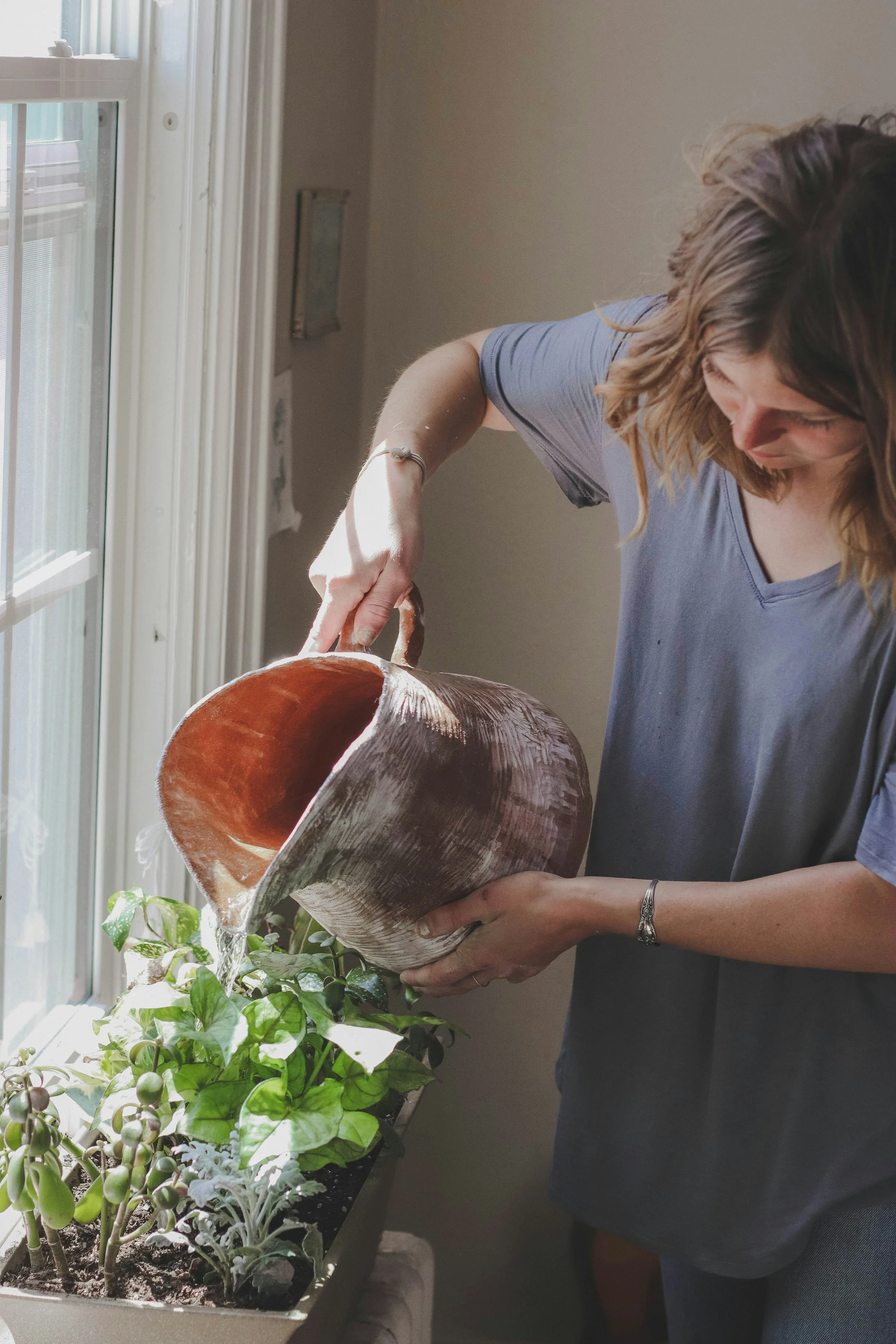
2. Water: Consistent but not excessive moisture. Overwatering is the most common mistake- most herbs prefer soil that dries slightly between waterings¹⁷.
3. Soil Quality: Well-draining, nutrient-rich growing medium. Use organic potting soil enriched with compost for optimal plant health and therapeutic compound concentration¹⁸.
Beginner-Friendly Therapeutic Herbs
For those new to medicinal gardening, start with these resilient, high-impact herbs:
Basil: Easy to grow, rapid harvest, multiple therapeutic uses. Pinch flowers to encourage leaf production and concentrate essential oils.
Parsley: Tolerates various light conditions, has a long harvest period, and exceptional nutritional density. Both flat-leaf and curly varieties offer different flavor profiles and uses.
Chives: Perennial growth, onion-family benefits, virtually maintenance-free. Rich in sulfur compounds that support cardiovascular health¹⁹.
Mint: Aggressive growth, excellent for beginners, multiple varieties available, contains menthol and other compounds that support respiratory and digestive health²⁰.
Oregano: Drought-tolerant, intense flavor, exceptional medicinal properties. High concentration of antioxidants and antimicrobial compounds²¹.
Companion Planting for Synergy
As your indoor garden expands, consider pairing herbs with similar growing needs in the same container. For example, thyme and oregano both prefer drier soil and moderate sunlight, making them ideal companions. Interplanting not only saves space but can also improve pest resistance and growth through natural synergy.
Strategic Placement for Maximum Benefit
Natalie emphasizes the importance of location: "Typically, the farther away from the cooking area your herbs are, the less likely you are to use them. Placing them in or near the kitchen encourages regular therapeutic use."
Optimal Growing Locations
South or west-facing windows: Maximum natural light exposure for robust growth and therapeutic compound production.
Kitchen counters: Immediate access during meal preparation encourages daily consumption of fresh therapeutic herbs.
Hanging gardens: Maximize space utilization while creating living air filters that improve indoor environmental quality.

Container Selection and Setup
Drainage is paramount for herb health and therapeutic potency. "Most containers will work as long as they have drainage holes," Natalie explains. Poor drainage leads to root rot and reduced therapeutic compound production.
Sustainable Container Options
Upcycled vessels: Use Mason jars, ceramic mugs, or clean milk cartons with added drainage holes to minimize waste while providing functional growing space.
Natural materials: Terra cotta and ceramic pots allow soil breathing and maintain optimal root zone moisture.
Vertical systems: Wall-mounted planters or tiered stands maximize growing space in small kitchens while creating living art installations.
Always place trays under pots to protect surfaces and contain excess water drainage.
Avoid Common Therapeutic Growing Mistakes
Watering wisdom: "The best way to tell how much water your plants need is to observe closely," Natalie advises. "Wilting or color changes may indicate under-watering, while soggy soil or bad odors suggest over-watering."
Signs of Optimal Plant Health
Vibrant green color: Indicates proper nutrition and light exposure for maximum therapeutic compound production.
New growth: Regular emergence of fresh leaves signals healthy plant metabolism and ongoing therapeutic potential.
Strong aroma: An Intense herbal scent indicates high essential oil concentration; the source of most therapeutic benefits.
Natural Pest Management
Neem oil application: Non-toxic treatment for common indoor plant pests without compromising herb safety for consumption²².
Companion planting: Certain herb combinations naturally repel pests while enhancing each other’s growth and therapeutic properties.
Proper air circulation: Gentle air movement prevents fungal issues while supporting strong, healthy plant development.
Economic and Environmental Benefits
Starting an herb garden provides substantial financial returns, especially considering the premium cost of fresh organic herbs. A small investment in seeds and containers yields months of therapeutic nutrition.
Cost-Benefit Analysis
Initial investment: $20-50 for containers, soil, and seeds. Monthly herb budget: $0-5 vs. $20-40 for store-bought organic herbs. Annual savings: $200-400 while ensuring peak freshness and therapeutic potency
Perennial herbs like mint, oregano, and chives continue producing for years, providing exceptional return on investment alongside continuous therapeutic benefits.
Air Quality Enhancement
Indoor plants, including herbs, improve air quality by absorbing toxins and releasing oxygen²³. This cleaner air contributes to better overall health, potentially reducing medical costs while providing daily therapeutic benefits.
Herbs specifically contribute to indoor environmental wellness through:
Natural air filtration of common household pollutants
Humidity regulation through natural plant transpiration
Aromatherapeutic benefits from essential oil release during daily care
Maximizing Therapeutic Potential
To optimize the medicinal value of your indoor herb garden:
Harvest Timing
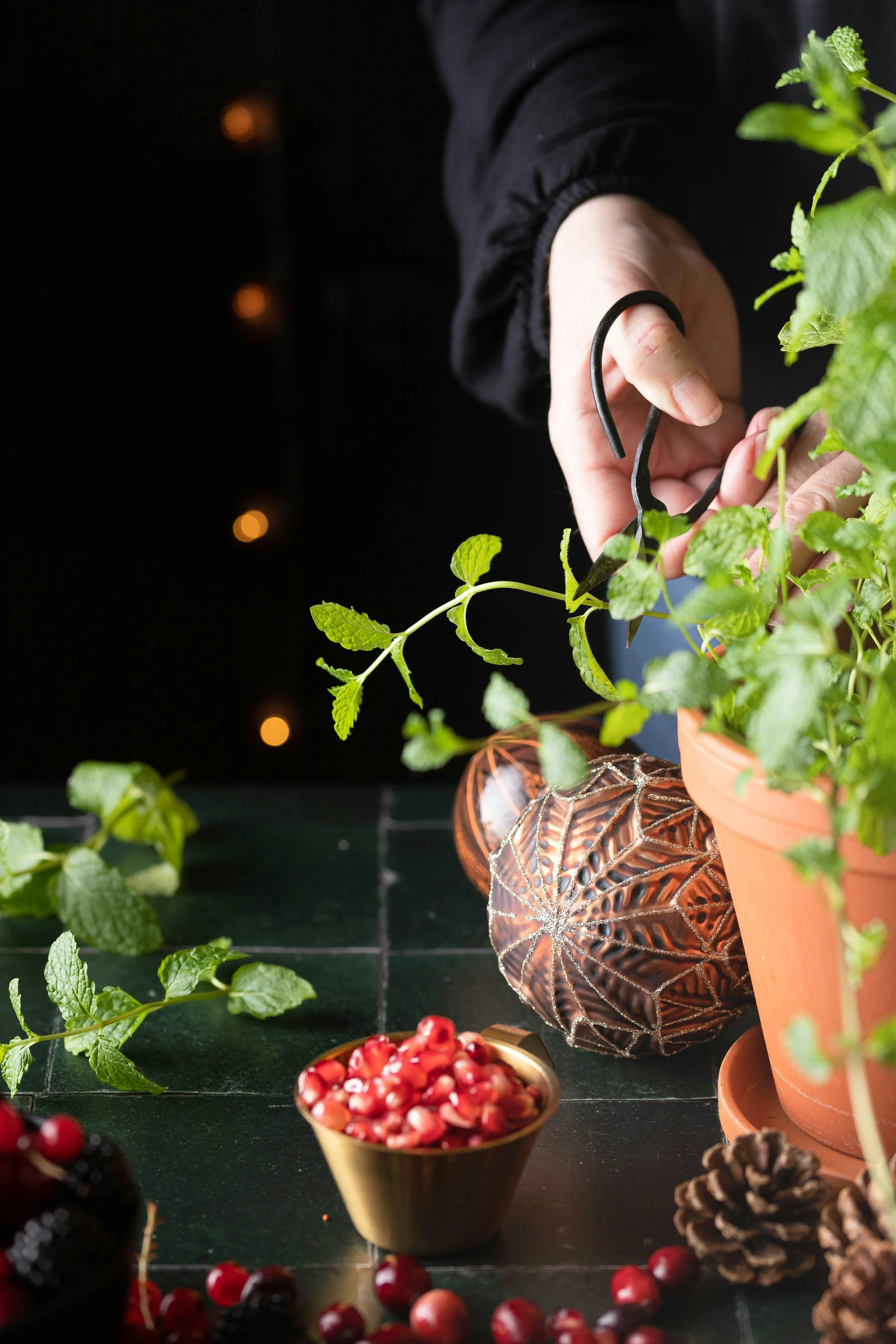
Morning collection: Essential oil concentration peaks after overnight recovery and before daily heat stress²⁴.
Regular pruning: Frequent harvesting encourages new growth and maintains peak therapeutic compound concentration.
Proper technique: Cut just above leaf nodes to promote continued growth and maximum plant health.
Preservation Methods
Immediate use: Fresh consumption provides maximum therapeutic benefit with peak compound availability.
Gentle drying: Air drying preserves most therapeutic compounds while extending storage life for winter use.
Freezing methods: Ice cube preservation maintains therapeutic potency for cooked applications and therapeutic teas.
Building Wellness Through Growing
Herb gardening offers more than fresh flavors- it promotes mental well-being through the therapeutic practice of nurturing living plants. Research shows that gardening activities reduce stress hormones, improve mood, and enhance a sense of accomplishment²⁵.
The daily ritual of tending herbs provides:
Mindfulness practice through focused plant care
Connection to natural cycles and seasonal rhythms
Sense of self-efficacy through successful food production
Therapeutic aromatherapy during daily maintenance activities
Natalie encourages newcomers: "Start with a couple of herbs and find a sunny spot in your home. Indoor herb gardening can be done on a budget with minimal investment while providing maximum health returns."
Your Therapeutic Garden Starts Today
Regardless of experience or available space, starting an indoor herb garden offers a rewarding pathway to enhanced wellness. Taking small steps toward growing your therapeutic herbs enables lasting positive changes for both environmental sustainability and personal health.
Even if a plant doesn't thrive at first, every attempt is part of the learning process. An indoor herb garden provides fresh, organic therapeutic ingredients, cleaner indoor air, and a more connected, healthier lifestyle.
Start small, stay curious, and trust the process. Your kitchen and your health will transform as you bring the healing power of plants into your daily routine.
Take the first step today: choose two herbs that appeal to you, find a sunny spot, and begin your journey toward a more therapeutic, self-sufficient lifestyle. Your future self will thank you for every healing meal you create.

References
Wolverton, B.C., et al. (1989). A study of interior landscape plants for indoor air pollution abatement. NASA Technical Report.
Jimenez-Garcia, S.N., et al. (2013). Functional properties and quality characteristics of bioactive compounds in berries. Food Research International, 54(1), 1195-1207.
Shan, B., et al. (2005). Antioxidant capacity of 26 spice extracts and characterization of their phenolic constituents. Journal of Agricultural and Food Chemistry, 53(20), 7749-7759.
Bakkali, F., et al. (2008). Biological effects of essential oils–a review. Food and Chemical Toxicology, 46(2), 446-475.
Liu, R.H. (2013). Health-promoting components of fruits and vegetables in the diet. Advances in Nutrition, 4(3), 384S-392S.
Kalt, W. (2005). Effects of production and processing factors on major fruit and vegetable antioxidants. Journal of Food Science, 70(1), R11-R19.
Pengelly, A., et al. (2012). Short-term study on the effects of rosemary on cognitive function in an elderly population. Journal of Medicinal Food, 15(1), 10-17.
Moss, M., & Oliver, L. (2012). Plasma 1,8-cineole correlates with cognitive performance following exposure to rosemary essential oil aroma. Therapeutic Advances in Psychopharmacology, 2(3), 103-113.
Lopresti, A.L. (2017). Salvia (sage): A review of its potential cognitive-enhancing and protective effects. Drugs in R&D, 17(1), 53-64.
Suppakul, P., et al. (2003). Antimicrobial properties of basil and its possible application in food packaging. Journal of Agricultural and Food Chemistry, 51(11), 3197-3207.
McKay, D.L., & Blumberg, J.B. (2006). A review of the bioactivity and potential health benefits of peppermint tea. Phytotherapy Research, 20(8), 619-633.
Farzaei, M.H., et al. (2013). Parsley: A review of ethnopharmacology, photochemistry, and biological activities. Journal of Traditional Chinese Medicine, 33(6), 815-826.
Enshaieh, S., et al. (2007). The effects of lavender aromatherapy on stress and anxiety: A systematic review. International Journal of Nursing Practice, 13(4), 218-228.
Zhai, H., & Liu, H. (2012). Study of the antibacterial mechanism of thyme essential oil. LWT-Food Science and Technology, 47(2), 408-414.
Burt, S. (2004). Essential oils: Their antibacterial properties and potential applications in foods. International Journal of Food Microbiology, 94(3), 223-253.
Pinho, P., et al. (2012). Influence of the light quality on the secondary metabolite production of plants. Plant Science Today, 1(4), 161-167.
Nemali, K.S., & van Iersel, M.W. (2006). An automated system for controlling drought stress and irrigation in potted plants. Scientia Horticulturae, 110(3), 292-297.
Raviv, M. (2013). The significance of soilless culture in agriculture. Soilless Culture: Theory and Practice, 1-11.
Corzo-Martinez, M., et al. (2007). Biological properties of onions and garlic. Trends in Food Science & Technology, 18(12), 609-625.
Singh, R., et al. (2015). Biological activities of the essential oils and methanol extract of different Mentha species. Industrial Crops and Products, 74, 241-248.
Baser, K.H.C. (2008). Biological and pharmacological activities of carvacrol and carvacrol-bearing essential oils. Current Pharmaceutical Design, 14(29), 3106-3119.
Isman, M.B. (2006). Botanical insecticides, deterrents, and repellents in modern agriculture and an increasingly regulated world. Annual Review of Entomology, 51, 45-66.
Wolverton, B.C., & Wolverton, J.D. (1993). Plants and soil microorganisms: Removal of formaldehyde, xylene, and ammonia from the indoor environment. Journal of the Mississippi Academy of Sciences, 38(2), 11-15.
Sangwan, N.S., et al. (2001). Regulation of essential oil production in plants. Plant Growth Regulation, 34(1), 3-21.
Soga, M., et al. (2017). Gardening is beneficial for health: A meta-analysis. Preventive Medicine, 99, 30-40.

Related Articles

Your Home Is Medicine: The Science of Healing Spaces

Design Tips for Creating a Mental Health Refuge

From Biophilic to Therapeutic: A New Framework for Analyzing Your Living Spaces